The European Union has granted Protected Geographical Indication status to the mollete of Antequera, a bread with a soft crumb and thin crust that has centuries of tradition, which has become the emblem of the best breakfast in the province of Málaga.
The mollete of Antequera, a bread with a soft crumb and thin crust with a slightly oval shape, has received the Protected Geographical Indication (IGP) seal from the European Union. This recognition certifies its origin and traditional production methods, which date back at least to the 16th century, although its roots may lie in the flatbreads of the Muslim and Jewish communities of Al-Ándalus.
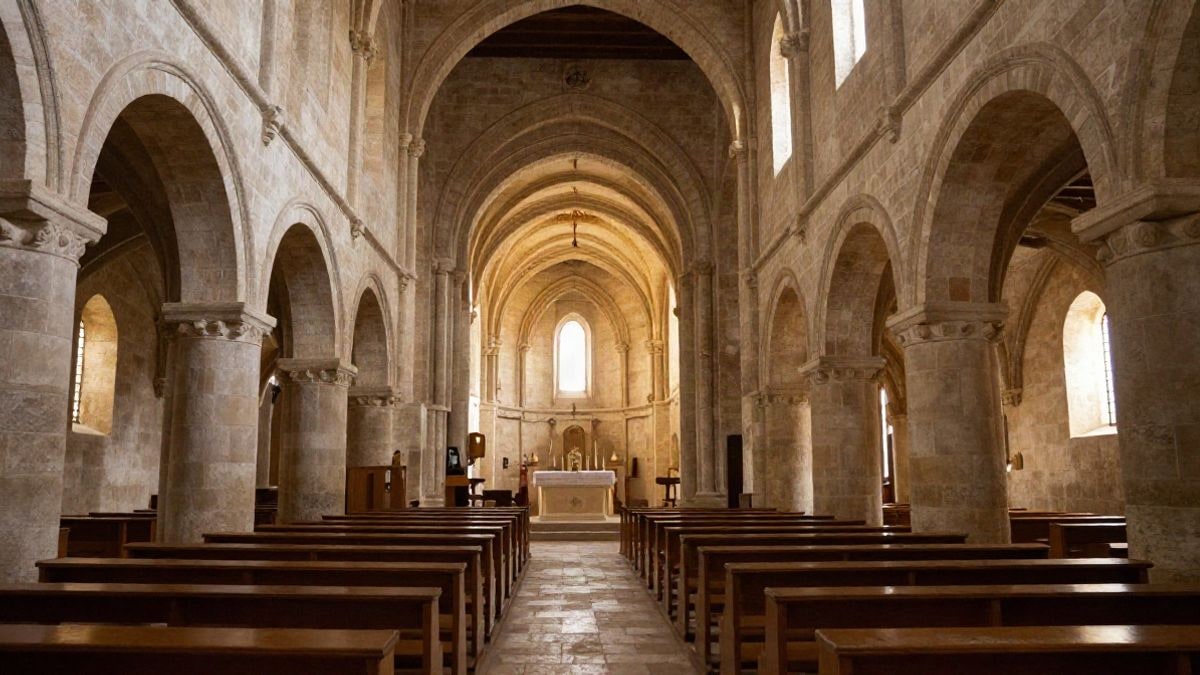
The city of Antequera, known for housing 33 temples for its 41,000 inhabitants, is also the birthplace of this product that has been part of Andalusian breakfasts for centuries. Served toasted with extra virgin olive oil, grated tomato, or Iberian ham, the mollete has become an essential part of the local gastronomy.
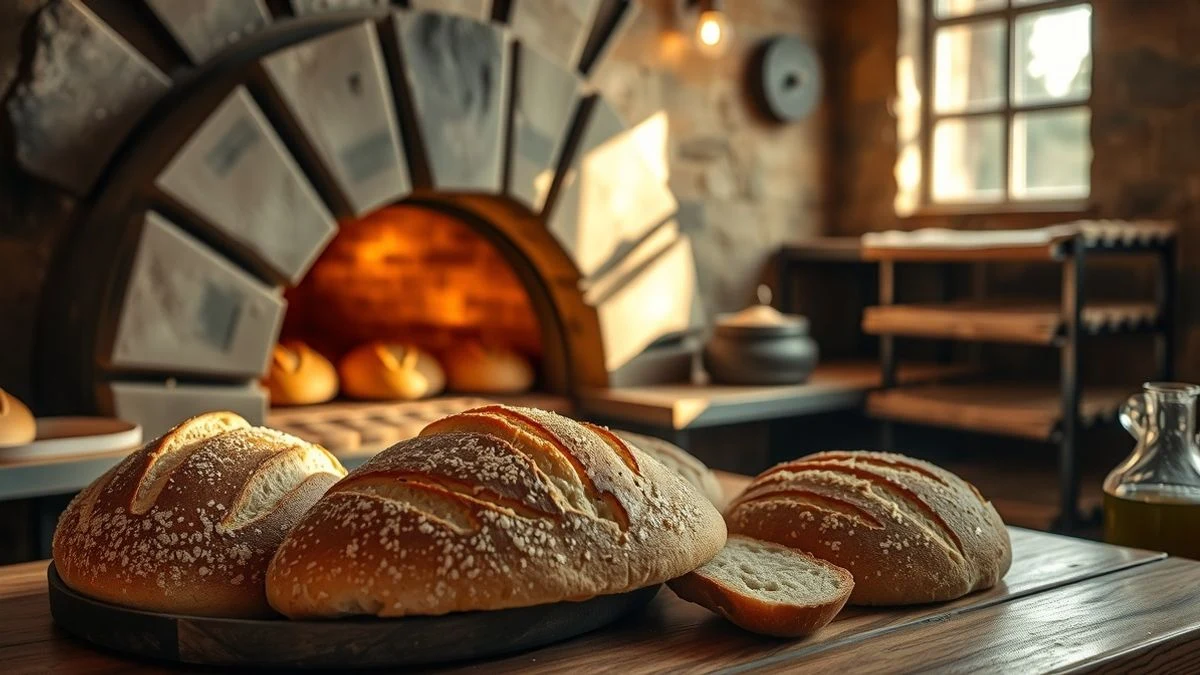
The IGP is a European seal that guarantees that the mollete is made following traditional methods in the Antequera area. Although today there are processes that speed up part of the production, many bakeries maintain an artisanal approach that is the true highlight. The ingredients are simple: flour, water, yeast, and salt. After kneading, the dough is divided into small portions that rest through several fermentation phases before taking on their characteristic flattened shape.
The final step takes place in stone ovens, where a brief baking allows for a very thin crust, barely golden, while the inside retains a white, light, and extraordinarily fluffy crumb. This texture is precisely one of the characteristics that the European Union valued most when granting the IGP.
In addition to the mollete, Antequera offers other top tourist attractions. The archaeological complex of the Dolmens of Antequera, declared a World Heritage Site by UNESCO, is a must-visit. These megalithic constructions, dating back to the Neolithic, bear witness to the passage of civilizations that considered this site a sacred space.
The architecture of its streets also deserves a stop. The palatial houses from the 16th and 18th centuries dot the white streets, guarded from above by the walls of the Alcazaba and the silhouette of the Royal Collegiate Church of Santa María la Mayor. The city, located at the meeting point of all Andalusian roads, has been a crossroads of civilizations since the Stone Age.
For the residents of the province of Málaga, the mollete of Antequera is not just a gastronomic product, but a symbol of identity. The granting of the IGP is a boost to the local baking tradition and an additional attraction for tourism in the area. Visitors can taste this delicacy in the bars and bakeries of the city, where it is served as part of a complete breakfast.
The granting of the IGP to the mollete of Antequera adds to other recognitions of the city, such as being considered the Spanish locality with the highest number of temples per inhabitant. With 33 churches for 41,000 inhabitants, Antequera has earned the nickname 'city of churches', but its offerings go far beyond the religious.
In short, the mollete of Antequera with IGP is much more than a bread: it is a piece of history, a gastronomic emblem, and a source of pride for the province of Málaga. Those who try it agree that it is the best breakfast in Spain.

You may also like