The municipality of Estepona has reached 79,593 inhabitants in 2025, with 22,778 foreign residents, according to the municipal record from the Institute of Statistics and Cartography of Andalusia. The British are the largest community.
Estepona has consolidated its transformation from a tourist destination to a stable residential city for thousands of foreigners. According to the municipal record from the Institute of Statistics and Cartography of Andalusia, the municipality reached 79,593 inhabitants in 2025, of which 22,778 are foreign residents. The largest nationality is British, with 4,084 registered, representing 17.9% of the total foreign population.
The ranking of origins is completed by Moroccans, Ukrainians, Russians, Colombians, Italians, Romanians, French, Germans, Swedes, and Dutch, among others. This diversity is reflected in urbanisations such as Cancelada, El Paraíso, Atalaya, Selwo, or the port area, as well as in terraces and shops in the urban centre.
The residential appeal comes at a rising price. Idealista placed the average price of homes for sale in Estepona at 4,329 euros per square metre in June 2026, an increase of 10.8% compared to the previous year. In Estepona Pueblo, the value rose to 4,460 euros. Fotocasa, for its part, raised its estimate for July 2026 to 5,143 euros per square metre, with differences by area: Seghers, Punta Plata, or the urban centre present prices higher than more inland areas.
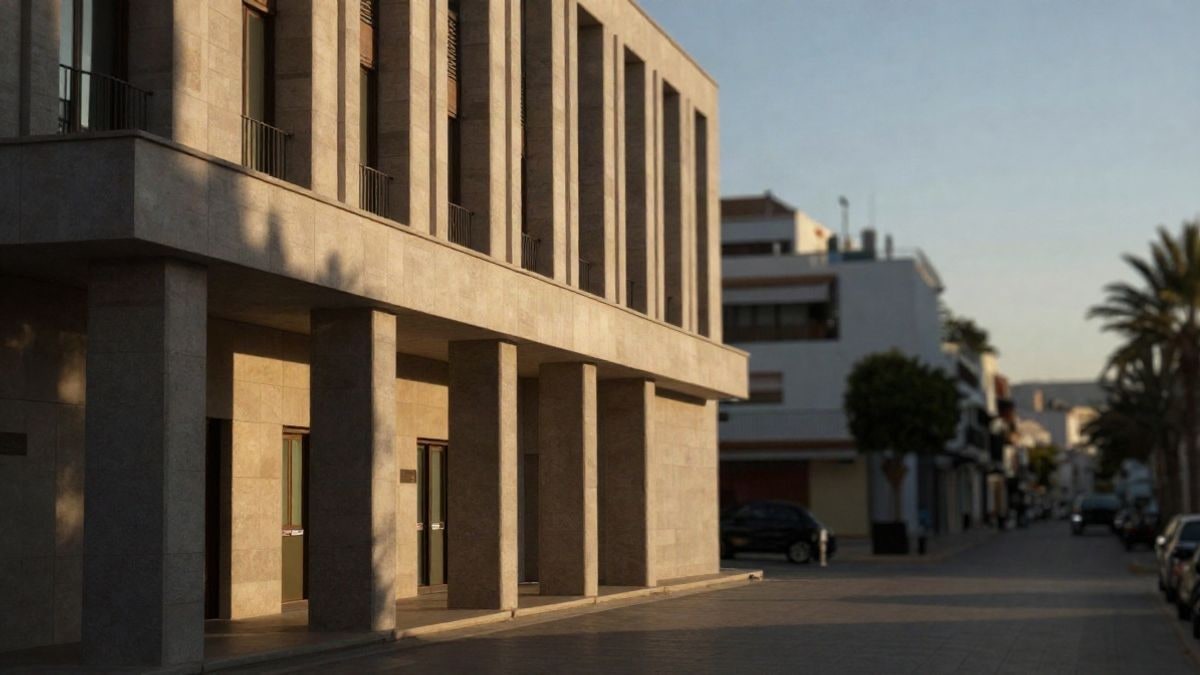
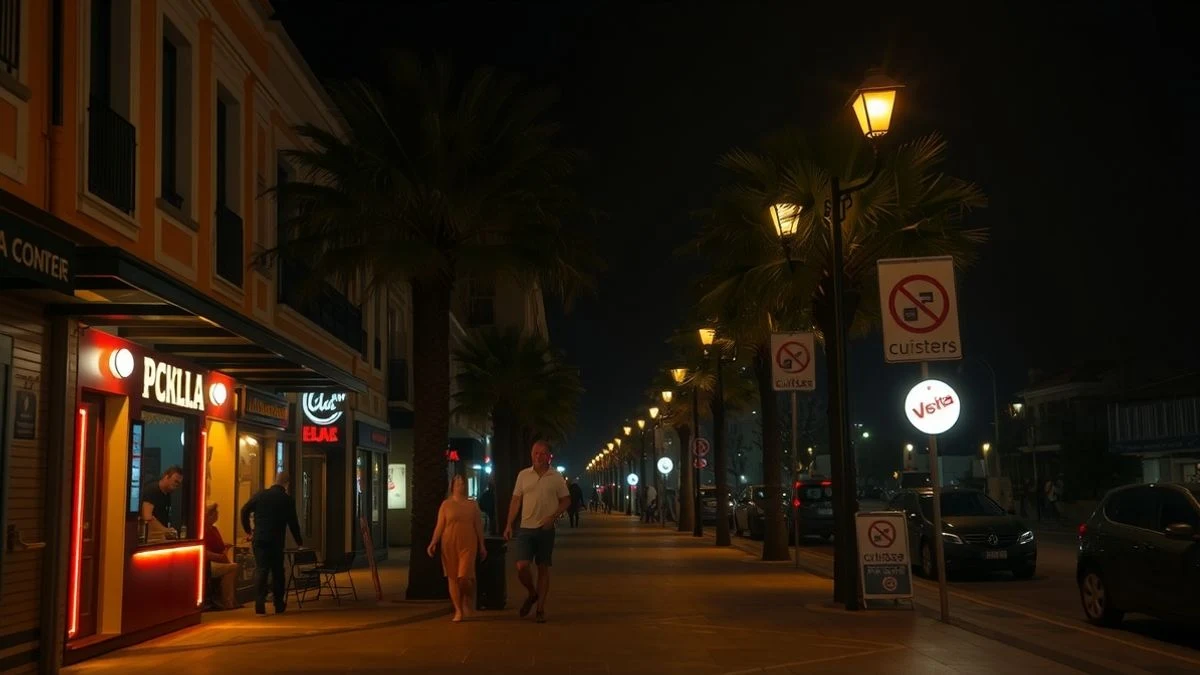
Quality of life is the most repeated argument among new residents. The City Council has invested for years in pedestrianising streets, renewing squares, and organising the coastal front, reinforcing an image of a well-maintained municipality. For many foreigners, the value lies in being able to walk, exercise outdoors, access restaurants, health centres, shops, and beaches without always relying on a car, in a manageable urban scale that offers an international atmosphere without losing the feeling of a local city.
Safety also weighs in the decision. Although no destination is free of problems, many residents compare Estepona favourably with large cities in their countries of origin. The perception of tranquility in residential areas and the presence of established international communities reduce the feeling of isolation.
Education is another key factor. The western Costa del Sol has more than twenty international and private schools with British, American, German, French, Swedish, or International Baccalaureate curricula, with fees ranging from 4,000 to 20,000 euros annually. Estepona stands out with Mayfair School, a British school for students aged 3 to 18 with over 30 nationalities and a Cambridge programme, and The International School Estepona, a British centre for early years and primary in El Paraíso.
Teleworking has accelerated the trend. Professionals from Northern Europe who could only spend short periods now work from home with clients or companies in London, Amsterdam, Stockholm, Berlin, or Copenhagen. The time difference is minimal, the air connection with Malaga is extensive, and daily life is brighter and, for some profiles, more affordable than in their home cities. Thus, a new category of resident emerges: remote worker with children, mortgage or long-term rental, and a willingness to integrate.
“We came for six months and stayed,” summarises Margaret, a 58-year-old Briton living in the port area. “In the UK, we felt that life had become too expensive and grey. Here we walk every day, meet the neighbours, and still have an English community nearby.” Lars, a 42-year-old Swede and technology consultant, puts it another way: “I wasn’t looking to retire; I was looking to work better. My meetings are online, my children go to an international school, and in the afternoon we can go to the beach.”
There are also critical voices. Ingrid, a Dutch woman, acknowledges that the real estate market “has heated up a lot” and that finding long-term rental is difficult at certain times. Thomas, a German, warns that “real integration requires learning Spanish and not living solely within the international bubble.” Both agree that Estepona offers a mix that is hard to find: services, perceived safety, climate, sea, schools, and a foreign community large enough to facilitate arrival.
According to the Institute of Statistics and Cartography of Andalusia, the total population of Estepona has grown steadily in recent years. The combination of Mediterranean climate, urban services, and international educational offerings continues to attract new residents, although the rising cost of housing poses challenges for those looking to settle long-term.

You may also like