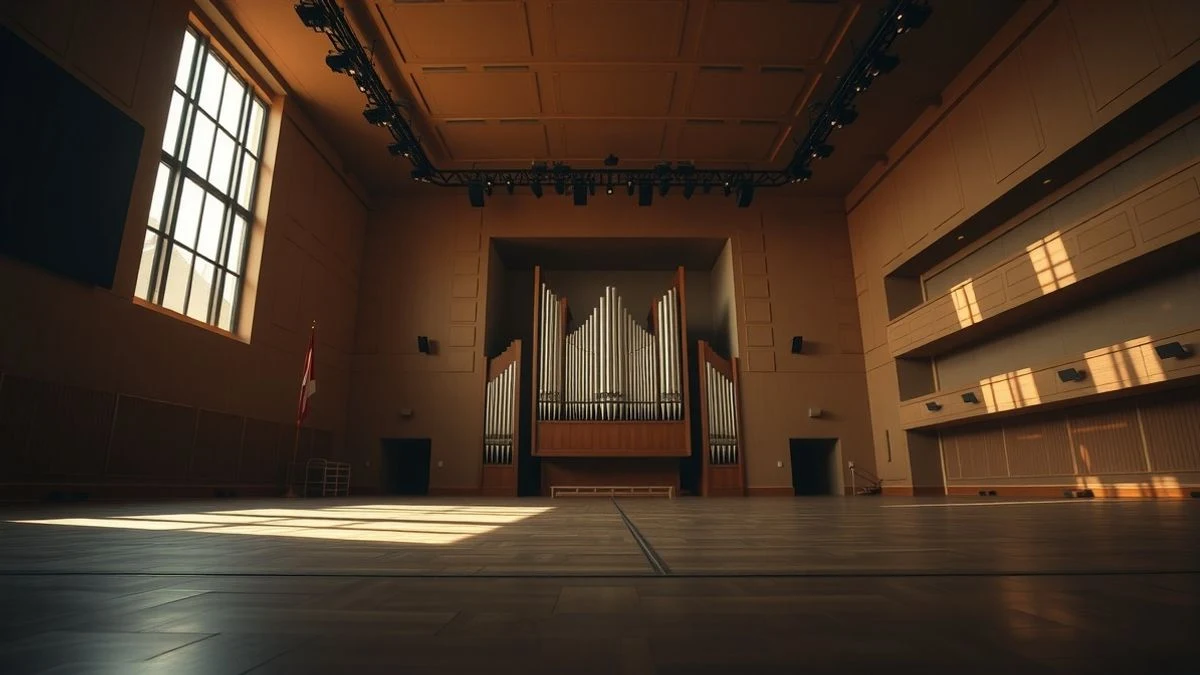
A teacher from the Manuel Carra Conservatory warns that the new Palace of the Opera in Málaga does not include the installation of a symphonic organ, which would limit the repertoire and hinder the future of the instrument in the city.
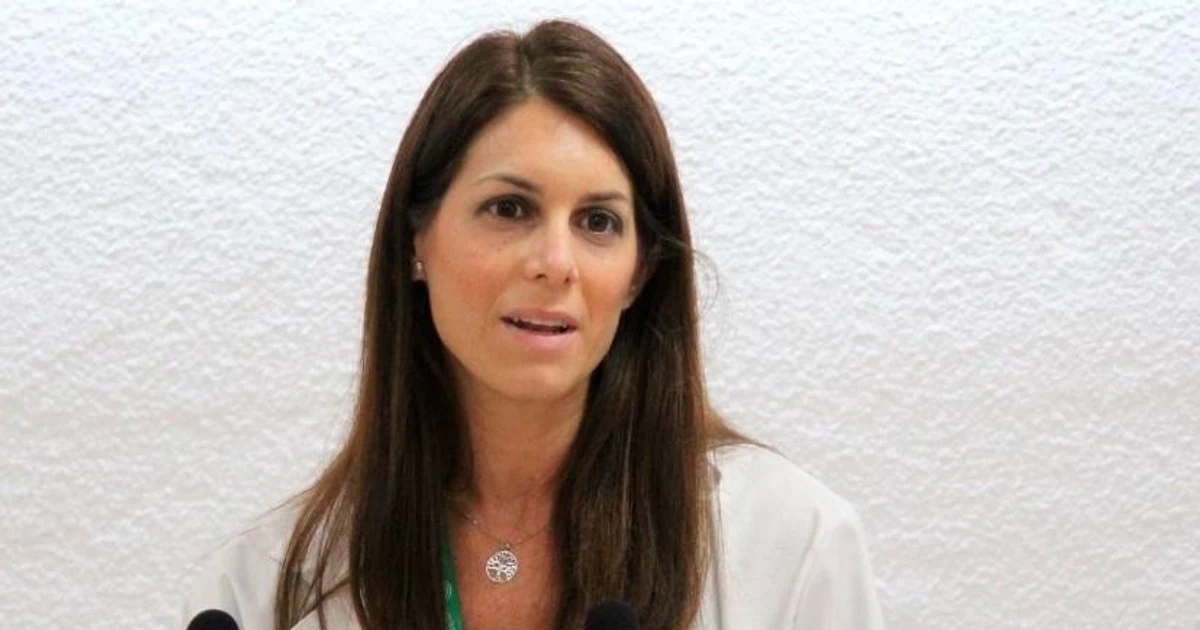
The new Music Auditorium of Málaga, also known as the Palace of the Opera, could be born with a significant shortcoming that specialists consider serious: the absence of a symphonic organ. This has been reported by Ana Lucía Buzón, an organ teacher at the Manuel Carra Professional Conservatory, who has sent two letters to the City Council without receiving a response.
An absent instrument in the plans
Buzón explains that, according to available information, the auditorium project does not include the installation of a large organ. “If it is not included now, it will be very difficult later, because we must consider the space, the acoustics, and the weight of the instrument,” she points out. The teacher offered to provide technical advice to the City Council, but received no reply.
The city has already lost a significant part of its organ heritage during the Civil War and has never recovered. “The organs that remain in the province are either in poor condition or are small, which limits the repertoire,” she adds. For example, the organ of the Catedral de Málaga only allows for the performance of Baroque music due to the lack of pedals.
A burden for musical training
The lack of a symphonic organ would not only affect the programming of the auditorium but also the training of students. Buzón has 13 students at the conservatory, but they do not have suitable instruments for practice. The centre has a small organ, and attempts to reach agreements with churches have failed. “This year they no longer allow us to use the Church of the Sacred Heart,” she laments.
To be able to play on a larger organ, students have to travel to other provinces. Buzón, who is from Granada, has taken them this year to the Cathedral of her hometown. “There they let us play, but in Málaga they asked us for 1,000 euros to hold a concert in the cathedral,” she reports.
The future of the organ in Málaga is uncertain
The teacher insists that the new auditorium is a unique opportunity to provide the city with a quality instrument. “If the organ is not included, we will never progress. The outlook is bleak for an organist,” she concludes. Meanwhile, the City Council has not responded to this newspaper's inquiries.
For the residents of Málaga, this lack means that the cultural programming of the future auditorium will be limited, and organ students will continue to be unable to receive proper training in their own city. The final decision is now in the hands of the City Council, which still has time to include the instrument in the plans.

You may also like