Oaxacan artist José Luis García presents a showcase at the San Pablo Cultural Centre in Antequera celebrating the 500th anniversary of the arrival of the Dominicans in New Spain, merging painting, ceramics, and sculpture.
Painter, ceramist, and sculptor José Luis García, originally from Huajuápam de León, Oaxaca, has transformed the San Pablo Cultural Centre in Antequera into a space for dialogue between the Mixtec worldview and the Dominican legacy. The exhibition 'The Dogs of God in Antequera', which will open to the public on July 3, brings together a collection of works created specifically to commemorate the 500 years since the arrival of the Dominican order in New Spain.
The exhibition, organised by the Alfredo Harp Helú Oaxaca Foundation, proposes a visual reading of the encounter between two worlds. Far from a conventional historical review, García's work delves into indigenous memory and Christian tradition, converging in a plastic language deeply rooted in Oaxaca.
A journey through Mixtec memory
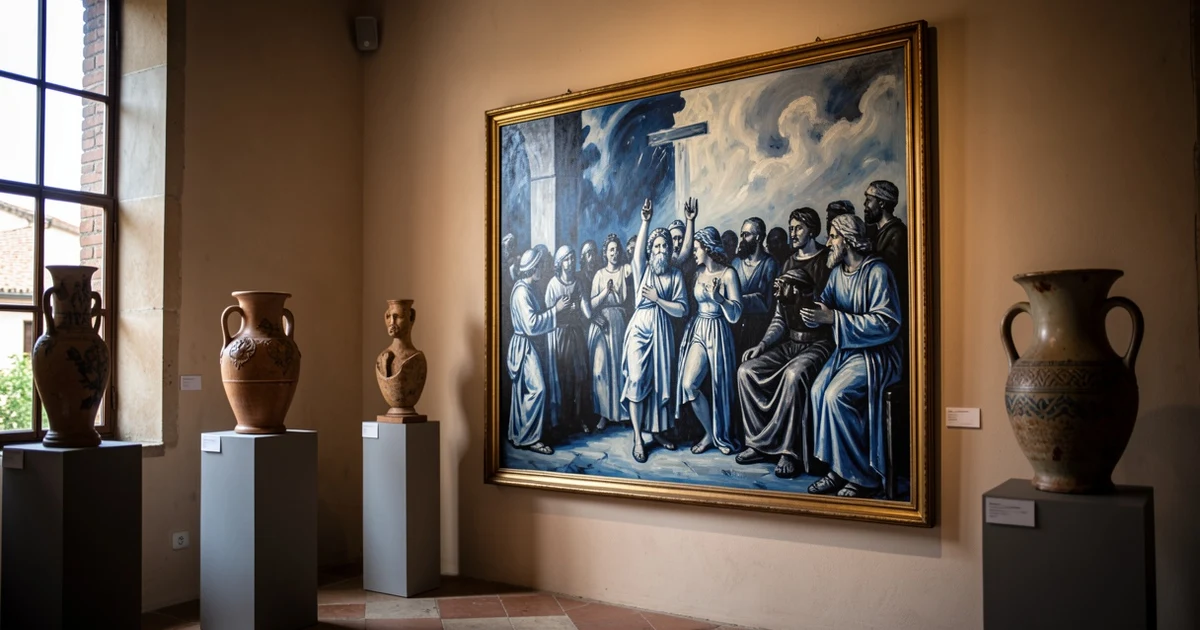
The exhibition begins with a monumental oil painting in shades of blue, white, and black that alludes to the so-called 'dogs of God', the name historically used to identify the Dominicans. From this piece, a series of polychrome ceramic sculptures inspired by the religious figures involved in the evangelisation of Oaxaca and the syncretism that shaped much of the region's culture unfolds.
The works engage with the architectural and spiritual heritage of the Mixteca, evoking ancient convents, atrial crosses, and symbols where pre-Hispanic beliefs and Christian imagery coexist. More than illustrating a historical episode, the exhibition invites reflection on how both traditions remain present in Oaxacan identity.
José Luis García, considered one of the most prominent figures in contemporary Oaxacan art, has created a body of work that finds in natural pigments, clay, minerals, and stone not only materials for creation but also vehicles of identity. In each piece, he recovers the ancestral relationship with the land and crafts, transforming them into images of great symbolic strength.
New Spanish Baroque and immersive experience
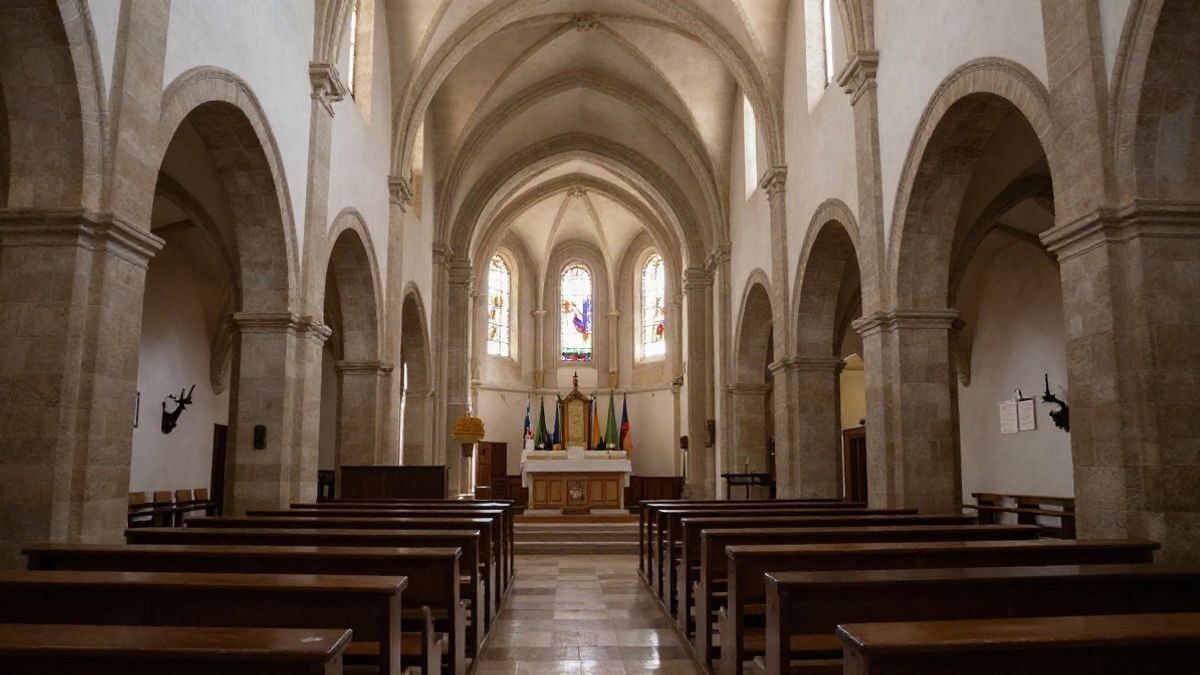
The conclusion of the exhibition offers an immersive experience inspired by New Spanish Baroque. Three large-format altarpieces envelop the visitor among rockeries, acanthus leaves, angels, and golden flashes that recreate the ornamental richness of colonial temples. It is undoubtedly a golden finale that transports the viewer to another era.
The exhibition is not limited to contemplation. As part of its parallel activities, an academic programme and a ceramics workshop taught by José Luis García himself will be held. Interested individuals will have the unique opportunity to learn firsthand the artist's techniques, connecting with the creative process.
For the residents of Antequera and visitors, this exhibition represents an exceptional opportunity to engage with a millennia-old culture without leaving the province. The San Pablo Cultural Centre, a historical landmark of the municipality, thus becomes a bridge between two continents and five centuries of history. Admission will be free, and visiting hours will extend from Tuesday to Sunday, in the morning and afternoon, until the end of September.

You may also like