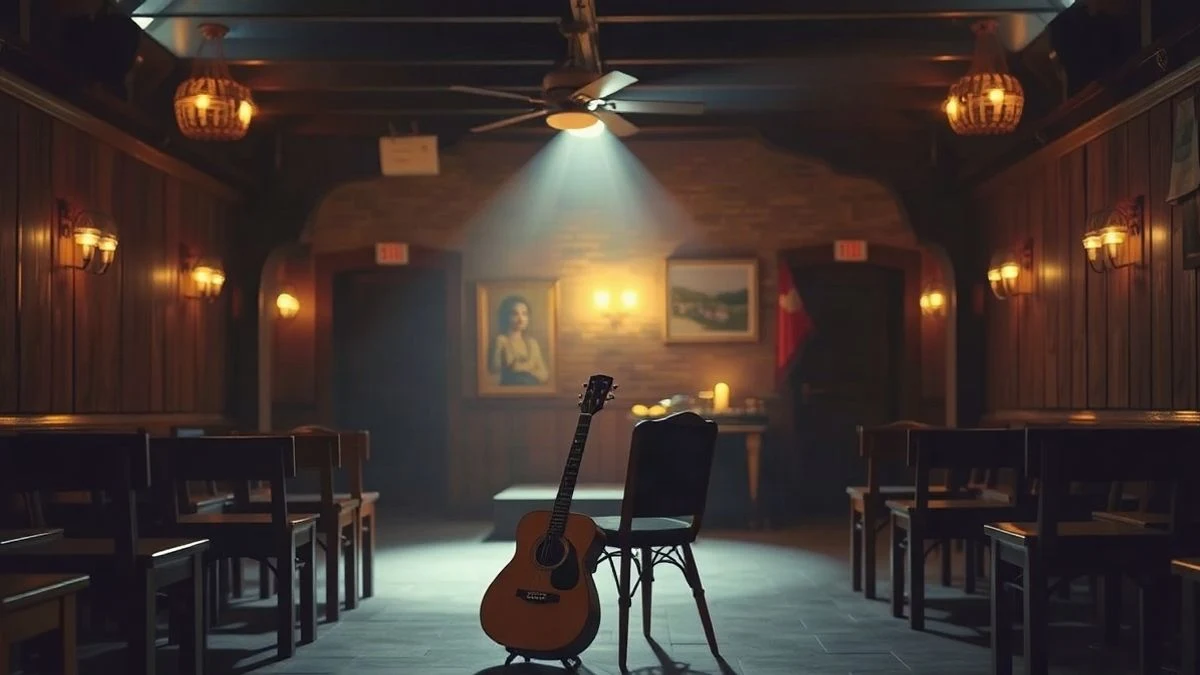
The historic peña, founded in 1958 and considered the oldest in the world, maintains its flamenco programming during the main week, offering an alternative to the bustling spaces of the Centre and the Real.
While the Centre and the Real concentrate the hustle and bustle of the Feria de Málaga, the Peña Juan Breva proposes a different rhythm these days. The entity, founded in 1958, continues its flamenco activity with shows and educational talks that take place daily, as explained to this newspaper by Luis Torres, researcher, flamencologist, and consiliario of the peña.
Torres emphasizes that "here, the Feria is experienced very intensely" and that the goal is for those who cross its doors to "leave with a good impression of the experience, with singing, dancing, and guitar as the protagonists." The peña, named after the cantaor from Vélez Juan Breva, welcomes both locals and national and foreign visitors during these dates.
The week's programme has a "significant welcoming component," and the audience's response, Torres assures, is usually positive: "Those who arrive enjoy the gastronomy, then go down to the performance space and end up discovering a different way to approach flamenco."
The link between the Feria and flamenco is not new, although it has evolved over the years. Torres notes that audience habits have changed: "Now they leave the Centre earlier to get to the Real sooner and go home earlier," he summarizes. In the peña, singing becomes a way to understand the festival, away from reggaeton and crowds.
The Peña Juan Breva is considered the oldest flamenco peña in the world, a title that supports its trajectory for over six decades. During the fair week, its two floors offer a space for those seeking a more relaxed and authentic flamenco experience, right in the heart of the city.

You may also like