The Association of Beach Entrepreneurs warns that the average ticket has dropped from €30-35 to €20-25. The Spanish tourist is the one cutting back the most, although there are more domestic visitors than in previous years.
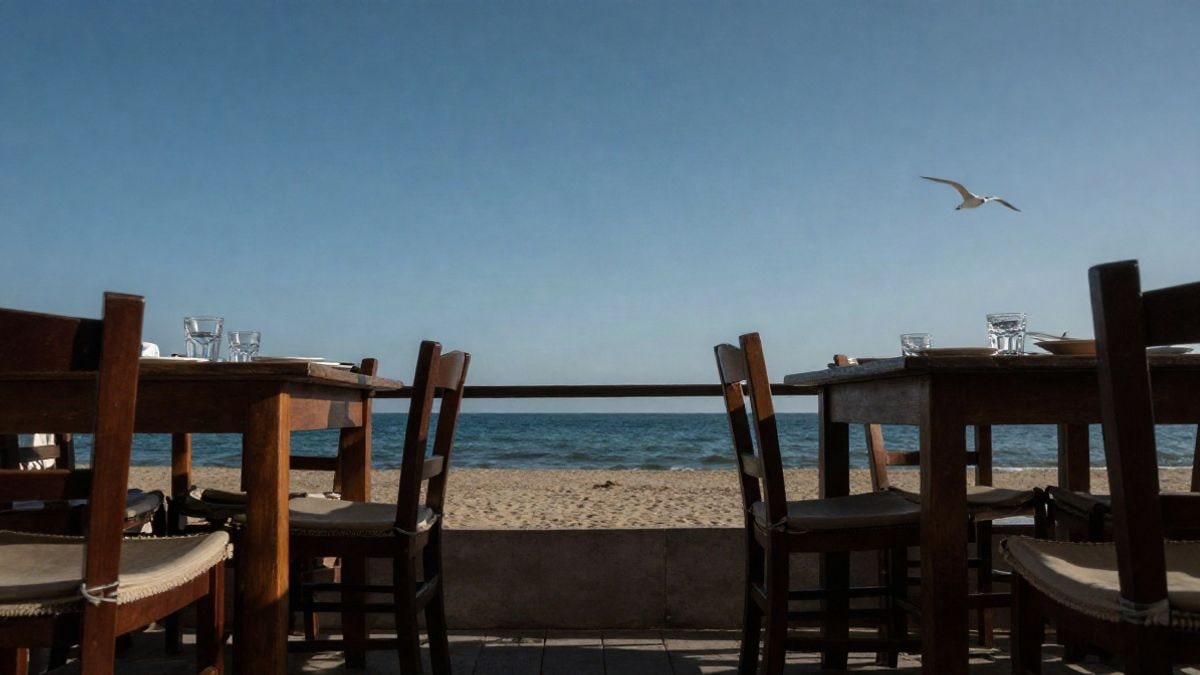
The beach bars on the Costa del Sol maintain a high influx of customers, but tourists' wallets are feeling the pinch. The president of the Association of Beach Entrepreneurs of the Costa del Sol and Andalusia, Manuel Villafaina, states that "this is the first summer where a reduction in spending by travellers is noticeable."
Villafaina estimates that since 2020, the cost of living has risen by 57%, while they have only passed on a 25% increase in prices. "We are making the same revenue as six years ago, meaning we are selling 25% less," he explains. The average ticket has dropped from €30 to €35 to €20 and €25.
The Spanish tourist is the one adjusting the most. "People are only ordering what they need, and this is more noticeable among Spanish tourists than foreigners," Villafaina points out. Domestic customers are now sharing portions, ordering half portions, and taking leftovers home. Many beach bars have even removed half portions from the menu due to low demand.
The consumption profile varies depending on the origin. While the Spanish go to the beach bar mainly to eat, international visitors spend more on drinks, as they usually have full board at their hotels. "The Spanish used to be extravagant on holiday, but the state of family finances is what it is. They are not only cutting back on meals but are also reducing their stays," Villafaina declares.
On the terraces, customers confirm this trend. Alberto Casado, who has come from the Basque Country with his wife and two children, asserts that "prices have risen a lot, from accommodation to dining." In Torremolinos, in Carihuela, four friends comment that they have to choose their menu wisely to "not overspend. Holidays are starting to feel like a luxury."
Villafaina highlights that espetos and paellas remain the star dishes, priced between €8 and €10 and €12 to €18, respectively. However, fish such as squid or coquinas are expensive at the fish market, and "you have to buy them even though you know you will lose money because you can't pass on their price directly to the customer."
The average increase in prices this year has been 7%, but they will not be able to pass on the latest fuel price hike. Along the Málaga coastline, there are 484 beach bars employing around 20,000 workers, a figure that rises to 50,000 across Andalusia.
The year's balance is "very similar": May and June were "very good", July improved, and August repeats good figures. The season extends and gains strength from September to November. Data from the INE confirms a strong start: in the first half of the year, over 10.3 million overnight stays were booked, a historic record.

You may also like