The Town Hall of Torremolinos inaugurated the renovated Plaza de la Nogalera tonight, a project of urban regeneration that transforms this enclave into a more welcoming and accessible space, with shaded areas, Mediterranean vegetation, and fountains.
The mayor of Torremolinos, Margarita del Cid, accompanied by the delegate of the Government of the Junta de Andalucía in Málaga, Patricia Navarro, and the subdelegate of the Government, Javier Salas, presided over the inauguration of the new Plaza de la Nogalera tonight. The project, designed by Málaga architects María Vargas García and Ana Baena Azuaga from the Varba studio, has resulted in a comprehensive transformation of this central space, which now presents itself as a more livable, accessible, and active place.
The renovation also included the reform of the adjacent streets Emilio Esteban, Antonio Girón, and the northeast section of Calle Cauce. The aim has been to create a space that invites residents and visitors to stop and enjoy, ceasing to be merely a thoroughfare and becoming a meeting point. The plaza is set to be one of the main urban gateways of Torremolinos, especially due to its proximity to the train station, offering a first impression of the municipality to those arriving by rail.
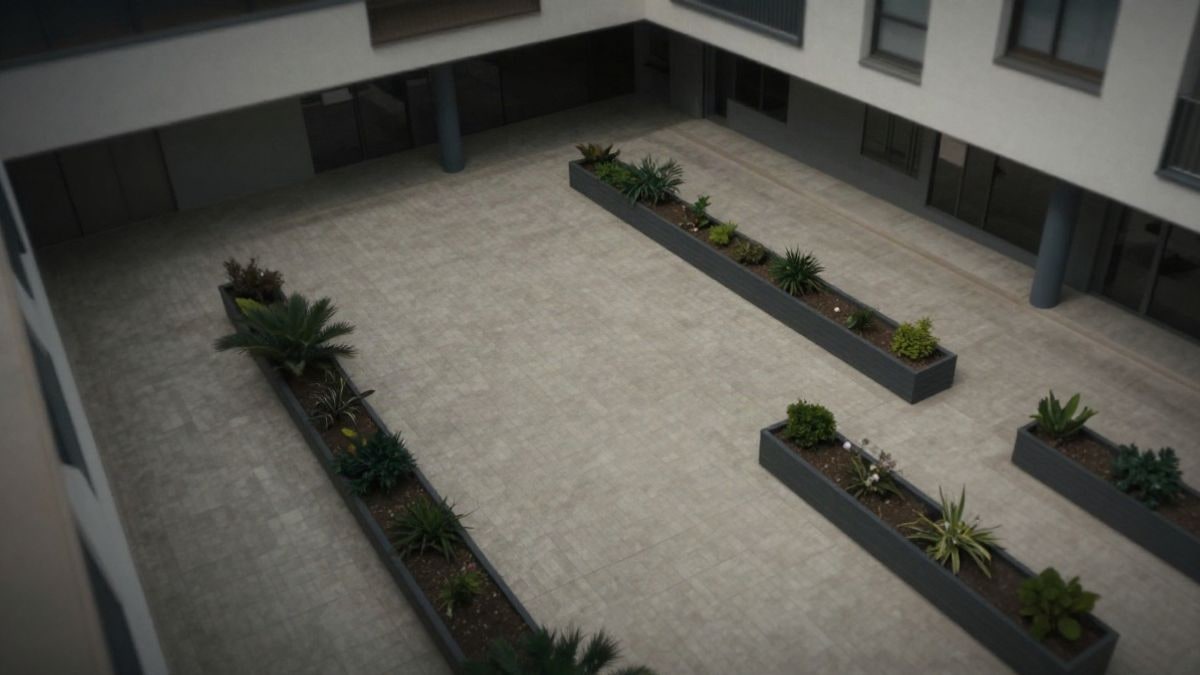
Vegetation plays a prominent role in the new design. Mediterranean shrub species of a naturalistic character have been incorporated, providing diversity in heights, textures, and movement. Although the proximity of the station and the railway tunnel has limited the planting of large trees, existing trees have been preserved and palm trees added. A combined system of lightweight pergolas and raised planters allows for the integration of vegetation where the infrastructure permits.
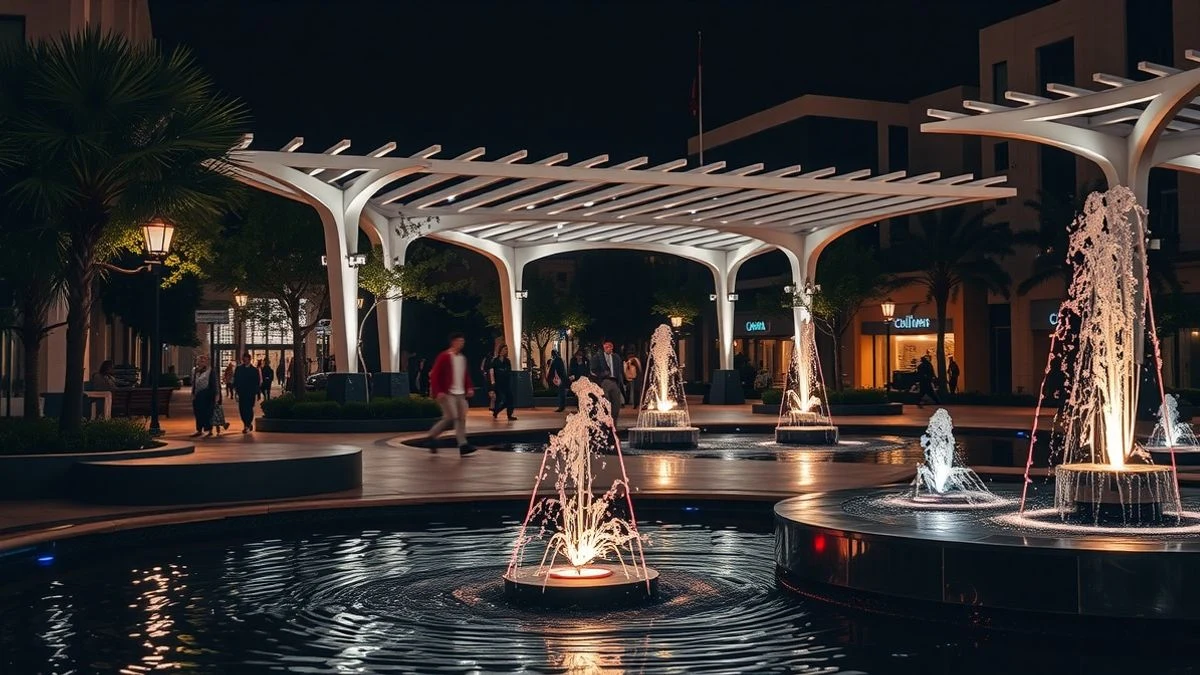
Water is another central element. A linear fountain adds movement, reflections, and a sense of freshness, while a dry fountain serves as a free play area with jets of water and light. Initially, a water curtain of eleven meters in length and seven meters in height was planned, but technical and safety limitations arising from the permissible loads on the lintel of the commuter rail passage prevented its installation.
Lighting plays a key role. During the day, the pergolas generate shade and define areas for staying. At night, dynamic lighting creates a second identity for the plaza, with a design that evokes the ebb and flow, that changing strip where the sea meets the land. The aim has been to bring Mediterranean qualities such as movement, irregularity, freshness, and reflections to the urban centre.
This action is part of the main urban regeneration initiatives promoted in Torremolinos in recent years. The plaza, which now opens up to the city, seeks to strengthen the commercial and hospitality activity of its surroundings, prolonging the stay of pedestrians and energising the centre. The project has been funded with municipal funds and has received support from the Junta de Andalucía.
Residents and visitors who have already been able to explore the space have expressed their satisfaction. "It's a radical change, now it's a pleasant place to walk and sit," commented a resident. The mayor highlighted during the event that "Torremolinos gains a quality public space, designed for people and for everyone's enjoyment."
With this inauguration, Torremolinos takes another step in its commitment to urban modernisation and improving the quality of life for its citizens. The Plaza de la Nogalera presents itself as a new reference point, not only for the municipality but for the entire Costa del Sol.

You may also like