The Consortium of Municipalities of the Costa del Sol Occidental removed 45.87 cubic metres of waste from the coast in August, 3% more than the previous year. Plastic remains the most abundant waste.
The Consortium of Municipalities of the Costa del Sol Occidental removed a total of 45.87 cubic metres of waste from the coast last August, compared to 44.59 in the same month of 2025. The increase is nearly 1.3 cubic metres, according to data collected by Diario Sur.
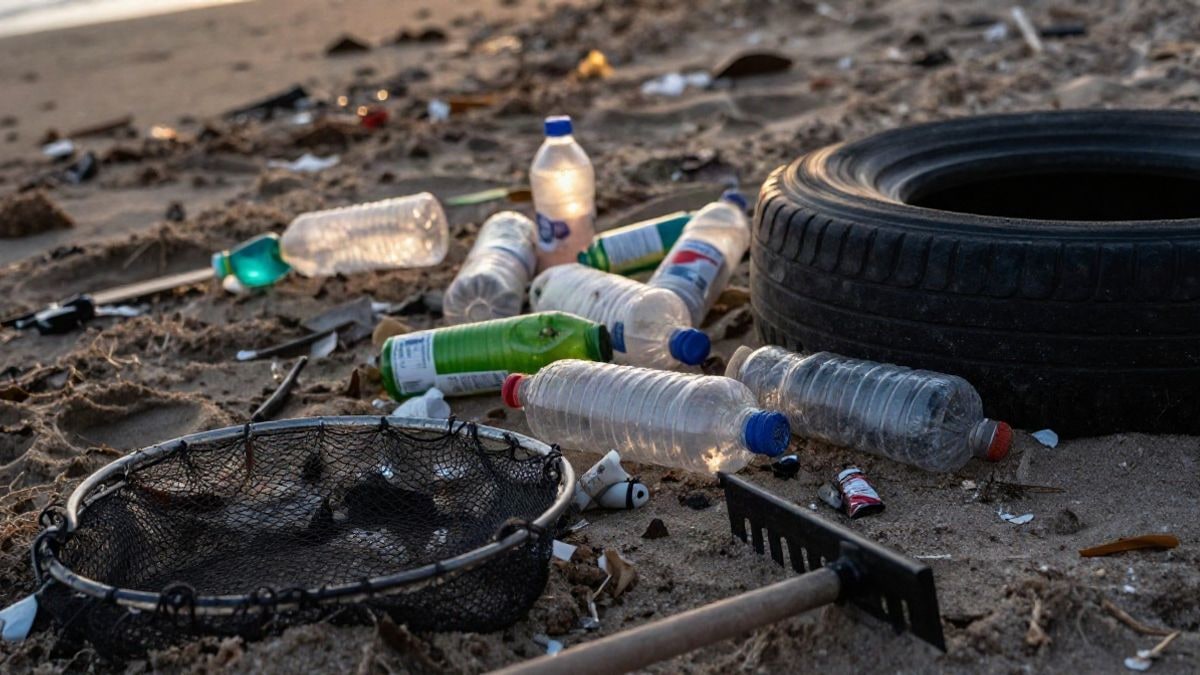
Plastic continues to be the most harmful waste, increasing both in volume and proportion: it went from representing 68.15% of the total in August 2025 to 69.26% last month. Along with it, wood, tyres, beach coolers, jerrycans, pallets, and even furniture were found.
The increase was recorded in almost all municipalities. In Torremolinos, it rose from 4.53 to 4.59 cubic metres, with more plastics and the presence of jerrycans, wood, and furniture. In Benalmádena, the volume increased from 6.79 to 6.88 cubic metres, with plastic growing by 4.22%; beach coolers, tyres, pallets, and foam were also found on the water's surface.
In Fuengirola, waste increased from 3.75 to 4.33 cubic metres, with plastic growing by 18.96%, along with reeds, wood, foam, and items left by bathers. In Mijas, it rose from 5.63 to 6.50 cubic metres, with plastics increasing by 17.24%.
The exceptions were Marbella and Estepona. In Marbella, waste fell from 10.23 to 9.58 cubic metres, although plastic increased slightly, and floaters, pallets, jerrycans, and cork boxes appeared. In Estepona, the volume decreased from 12.18 to 11.90 cubic metres, but plastic also grew in absolute terms.
The Consortium warns of the “constant presence” in Estepona of items that pose “a clear risk to nautical navigation and the coastal environment,” such as jerrycans, wood, and drifting buoys.
In Casares, the volume increased from 0.30 to 0.42 cubic metres, with plastic growing by 38.8%, alongside a “notable mix” of wood, algae, and leaves, as well as abandoned play items and water accessories. In Manilva, the increase was from 1.18 to 1.67 cubic metres, with a 40.81% rise in plastic and remains of vegetation, wood, and recreational items.
The Consortium attributes the increase to the higher influx of bathers and reminds that this waste poses a risk to navigation and the marine environment.

You may also like