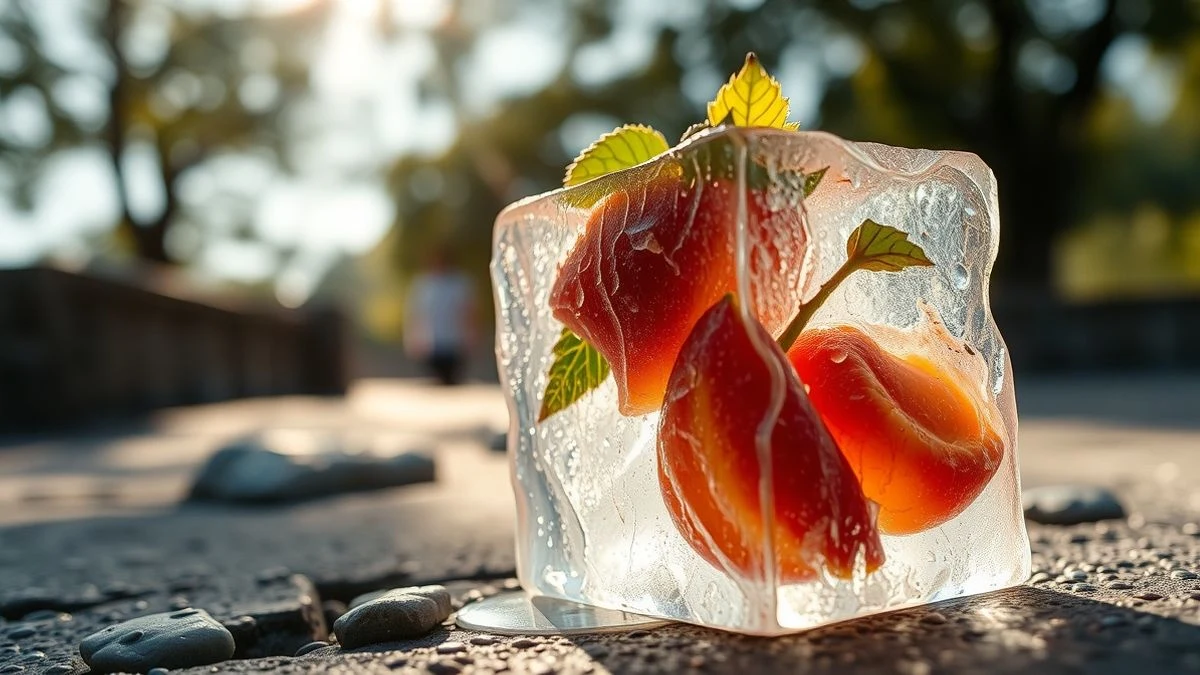
Bioparc Fuengirola has launched its special summer protocol to protect animals from high temperatures. The initiative includes the creation of personalised ice lollies for species such as Sumatran tigers, pygmy hippos, and gorillas.
Bioparc Fuengirola has reinforced its special summer protocol in response to the heatwave affecting Spain, with temperatures exceeding 40 degrees in many parts of the country. The park's technical team has adapted management routines to the weather conditions, intensifying measures during episodes of extreme heat, as reported by sources from the centre.
One of the most notable actions is the creation of what are known as 'wild ice creams', personalised ice lollies specifically designed for different species. These ice creams not only help cool the animals but also serve as a fundamental environmental enrichment tool within the daily animal welfare programmes developed by the Zoology department.
Each ice cream is tailored to the nutritional, physiological, and behavioural needs of the species it is intended for. The ingredients used are common in their diet, such as fruits, insects, vegetables, leaves, seeds, or natural broths with meats, and are frozen in different formats to prolong the animals' interaction with the food.
This summer, the stars of these refreshing sessions have been the Sumatran tigers, pygmy hippos, waterbucks, and the family of western lowland gorillas. All of them have been able to explore, manipulate, and enjoy these frozen blocks while exhibiting species-specific behaviours.
In the case of the big cats, the ice lollies encourage exploratory behaviour, manipulation, and the solving of small challenges before accessing the food. For the gorillas, the enrichment promotes foraging and interaction with different elements of the environment. Species such as pygmy hippos or waterbucks find in them an additional stimulus that increases their activity during the hottest hours of the day.
Environmental enrichment is one of the pillars of Bioparc Fuengirola's animal welfare model. Its aim is to provide physical, sensory, social, cognitive, and nutritional stimuli that allow animals to express natural behaviours, enhancing their activity and improving their quality of life. During the summer, this work is complemented by other specific measures such as modifying management schedules, increasing hydration points, showers or sprinklers in certain facilities, shaded areas, permanent access to climate-controlled spaces when required by the species, and continuous monitoring by the zoology and veterinary team.
Each action is designed individually, taking into account the biology of each species, as not all respond the same way to high temperatures. Many of them come from tropical regions where heat is part of their natural conditions, although extreme episodes require adapting protocols to always ensure the highest standards of welfare.
These actions also allow visitors to get closer to the work that park professionals carry out daily. According to Bioparc Fuengirola, behind each enrichment there is a planning process involving caregivers, veterinarians, and biologists, always with the common goal of ensuring the welfare of the animals under human care and promoting natural behaviours that are essential for their development.
The park, which is celebrating its 25th anniversary this year, has transformed from a traditional zoo into a conservation centre. The initiative of wild ice creams is an example of how technology and the dedication of the team contribute to animal welfare, even in adverse climatic conditions.

You may also like