The president of the Junta of Andalucía, Juanma Moreno, has pointed out that the autonomous community currently shows a triple increase in the burnt area compared to the same period last year. This increase is due to the persistent high temperatures and the greater amount of undergrowth, resulting from the abundant spring rains. This situation has significantly raised the risk of fires in Andalucía, as evidenced by the disaster that has devastated 7,000 hectares in Los Gallardos, in Almería, where 13 people have lost their lives.
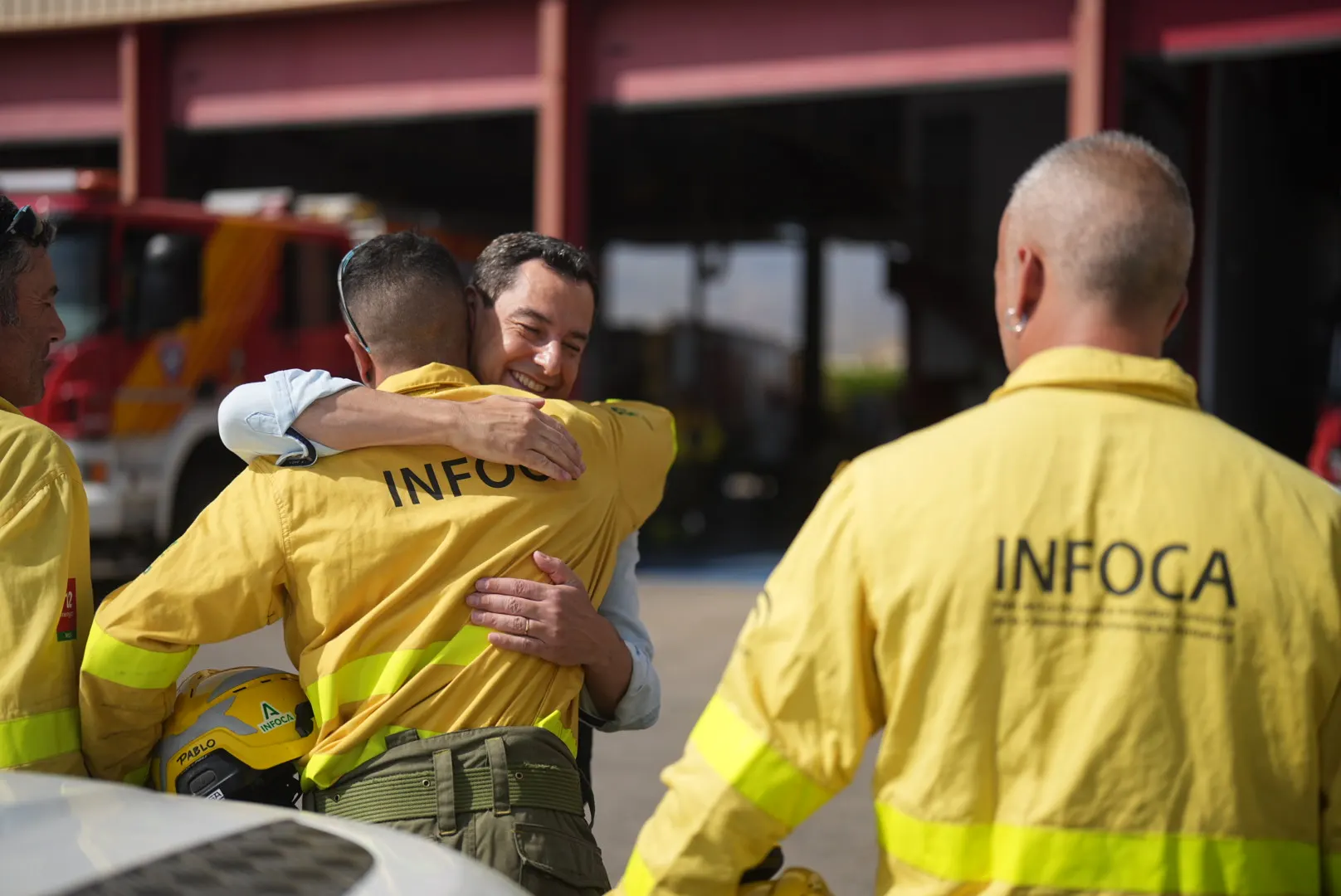
Moreno has made his third visit in a few days to the Advanced Command Post established in Turre, a town near Los Gallardos, this time accompanied by the president of the Government, Pedro Sánchez. After meeting with the heads of Infoca, the Civil Guard, and the Military Emergency Unit (UME) to assess the situation of the firefighting efforts, the Andalusian president announced that the fire is in the control phase, which will allow progress towards its extinction.
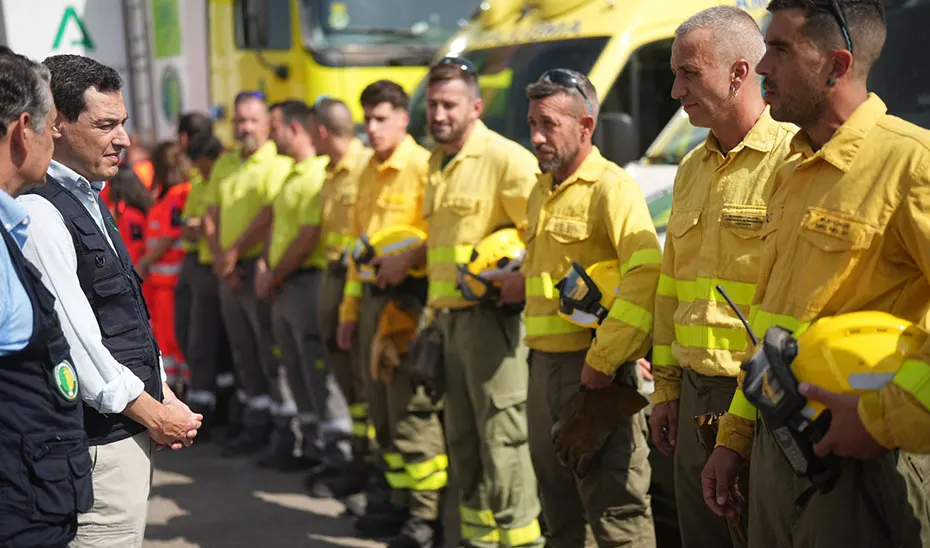
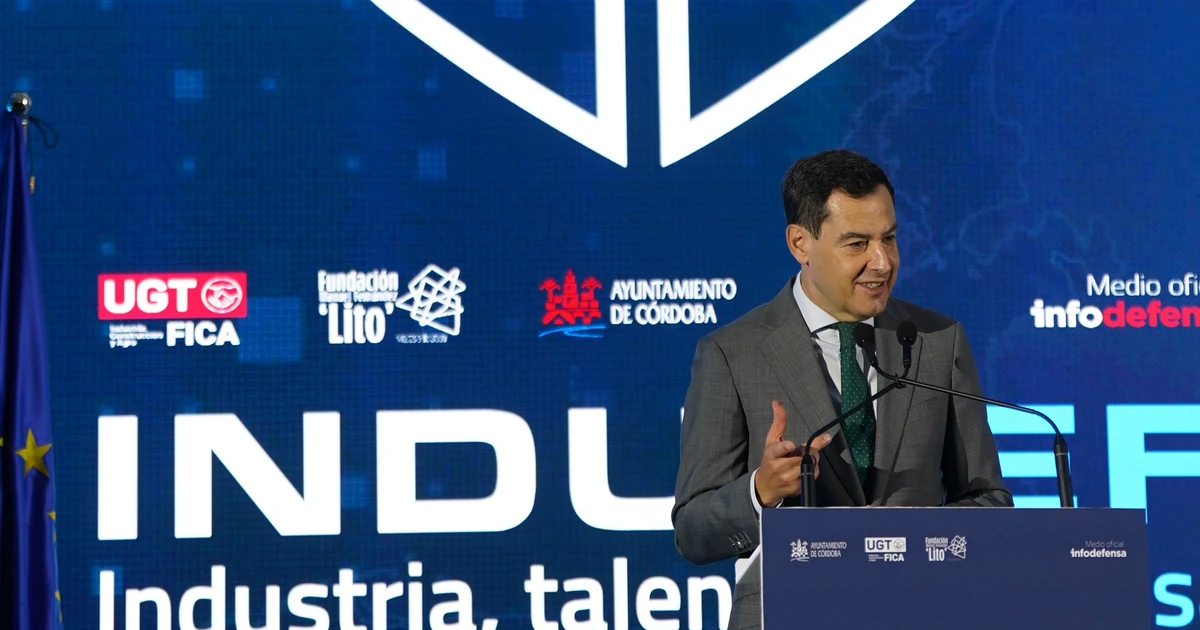
The president stated: "The weather has given us a window of opportunity in the last 48 hours, and today we would move to operational situation zero. Throughout the day we will be able to declare the fire controlled, as a preliminary step to its definitive extinction. All this thanks to the work of the various administrations, achieving together to overcome the fire. That is the correct path in an emergency, although unfortunately we have had to mourn victims in this brutal and rapid fire. Fires are becoming increasingly complex to extinguish."
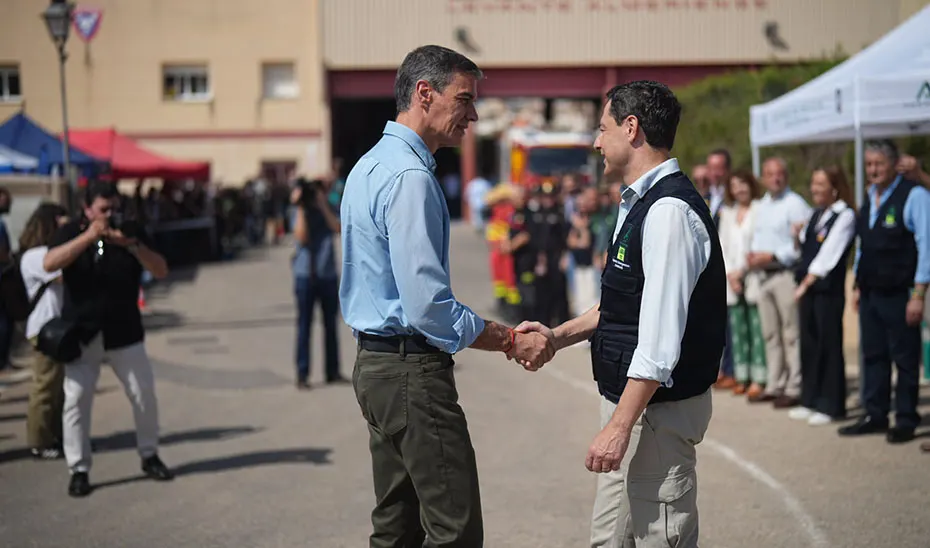
Despite the satisfaction with the results of the operation in the area since last Friday, Moreno has emphasized the high risk of incidents like that of Los Gallardos recurring. "We are very concerned about the situation we are experiencing. It is highly likely that we will have a very tough summer, very difficult. Here, climate change is affecting us in a very significant way, leading to a climate disorder with unknown meteorological situations. We need the public to adopt that sensitivity and self-protection that is fundamental," he declared.
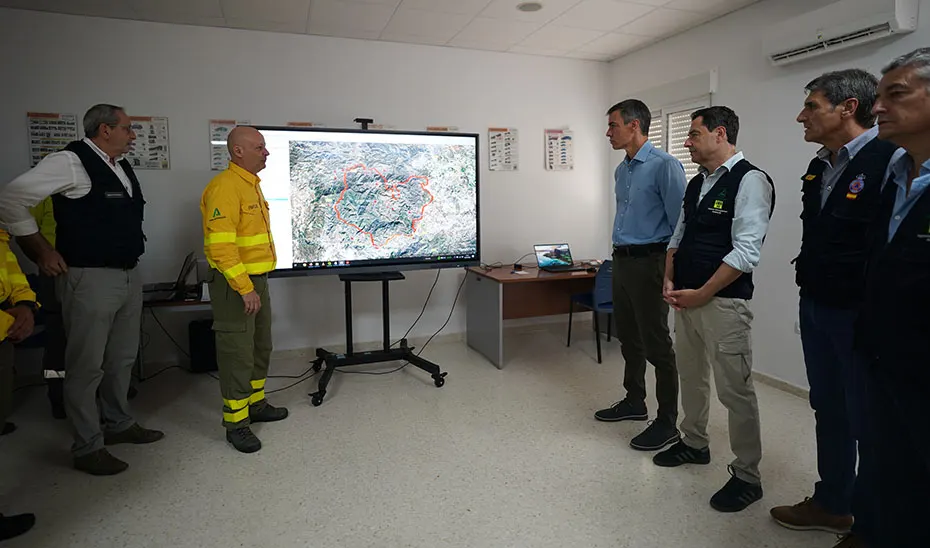
In addition to urging citizens to be "alert to possible smoke, suspicious behaviours, and attentive to warnings from institutions and experts in risk situations," he proposed strengthening citizen training and awareness. "Let’s consider whether in our educational system and in our social pedagogy we should introduce a minimum of knowledge and information that could allow us, in certain situations, to act and save lives," he concluded.
You may also like