The image will be transferred this Saturday, after the besamanos at San Lázaro, to Pedro Manzano's workshop in Triana. The brotherhood expects about four months of work and her return at the beginning of the year.
The Virgen del Rocío, known as the Bride of Málaga, faces her farewell this Saturday before travelling to Seville to undergo restoration at Pedro Manzano's workshop in the Triana neighbourhood. The statue has been on display for devoted besamanos at the San Lázaro parish since this morning, coinciding with the feast of the Sweet Name of Mary and the eleventh anniversary of her canonical coronation, according to Diario Sur.
Once the besamanos concludes, around 21:00 hours, the image will be removed from veneration and transported to the capital of Seville. The brotherhood anticipates about four months of work, so that the Virgen can return to Málaga at the beginning of the year.
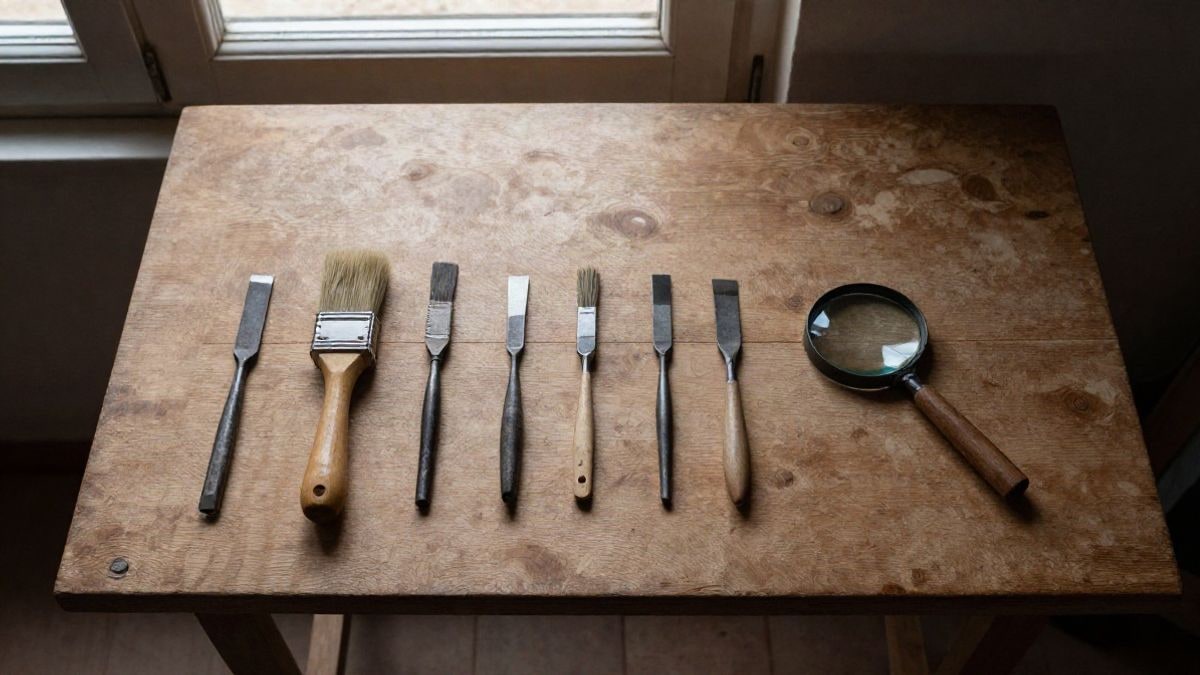
The restorer, originally from San Fernando (Cádiz) but based in Seville, will carry out an intervention with strictly conservative and restorative criteria. Manzano, responsible for the recent restoration of the Virgen de la Esperanza Macarena, already conducted an organoleptic examination of the Málaga statue on November 8.
The starting point will be the scientific study of the image. Before directly intervening on it, Manzano's team will perform a computed tomography and digital X-rays, non-invasive tests that will allow them to understand how the effigy is constructed internally and check the arrangement of wooden pieces, joints, and possible hidden metal elements, as well as determine the extent of some surface cracks.
The process will follow two lines: a conservative one, to correct structural and functional problems that may compromise the stability of the statue, and another focused on restoring the polychromy and recovering its aesthetic presentation, always under the principle of minimal intervention. The project also includes an intervention on the candlestick and its reinforcement structure, replacing certain elements with a new cedar wood structure adapted to the needs of the image. This modification would improve stability and facilitate access to the feet for acts of veneration, if the brotherhood deems it appropriate, as was the case in the past.
Regarding the polychromy, once analysed and documented, Manzano will carry out the necessary tests to determine the appropriate products for cleaning and removing dirt and repaints that have lost their original tone. He will then restore the missing preparation areas and undertake the chromatic reintegration of the losses. A protective layer will preserve the surface and facilitate future conservation work. The process includes the making of a bodice that acts as protection and reduces direct contact of the clothing pins with the polychromy.
The intervention comes after an extraordinary chapter on April 14 gave the green light by absolute majority to the restoration and allowed Manzano himself to explain the initial diagnosis and treatment proposal to the brothers. The Virgen del Rocío is the work of the Valencian sculptor Pío Mollar, from 1935. Since then, it has undergone various interventions: the most significant documented one was carried out in 1992, when the sculptor Luis Álvarez Duarte worked on the polychromy, consolidated the internal structure, and made a candlestick. Álvarez Duarte intervened again in 2002 with restorative work and in 2019 he conducted a specific intervention on the left hand after an accident during Holy Tuesday of that year.
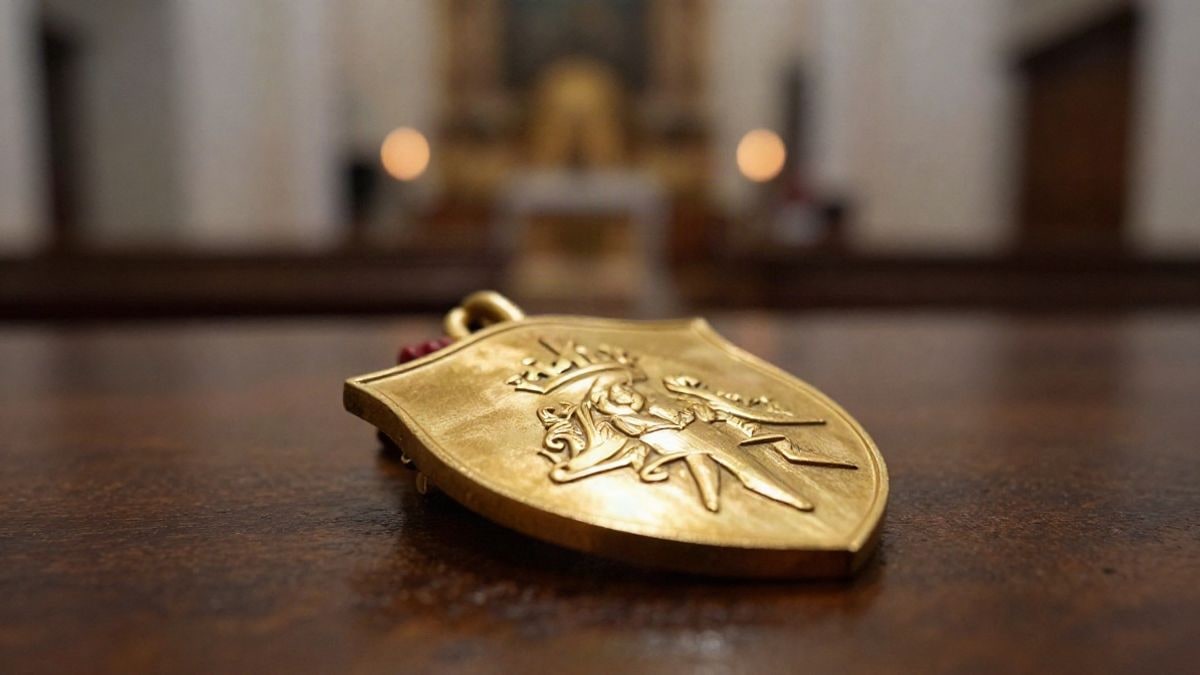
For the farewell, the Virgen is wearing her coronation gown this Saturday, made of gold and silk over silver tissue by Salvador Oliver following a design by Eloy Téllez. Completing the ensemble is the coronation halo and the embroidered mantle by Felicitación Gaviero, and as a new addition, it incorporates a lace mantilla made of Spanish silk donated by a group of devotees.
The transfer to Triana will take place once the besamanos at San Lázaro concludes, scheduled until 21:00 hours this Saturday.
You may also like