A team of researchers from Málaga, Almería, and Barcelona has launched a pioneering study to address epilepsy associated with autoimmunity. This project, led by the Biomedical Research Institute of Málaga (IBIMA), aims to identify new biomarkers and therapeutic targets related to this condition.
Context and Objective of the Study
Epilepsy is a disorder that affects approximately 50 million people worldwide, with around 500,000 affected in Spain. Although many patients can lead a life free of seizures thanks to proper diagnosis, there are cases with unknown origins or resistant to treatments, representing a significant clinical challenge. It is suspected that in many of these cases, the cause may be related to autoimmune mechanisms.
The new study focuses on patients with autoantibodies against GAD65, an enzyme necessary for the production of GABA, the main inhibitory neurotransmitter in the brain. The presence of these autoantibodies may be linked to various neurological pathologies, highlighting the need to better understand why the same immunological origin can lead to different clinical manifestations.
Methodology and Funding
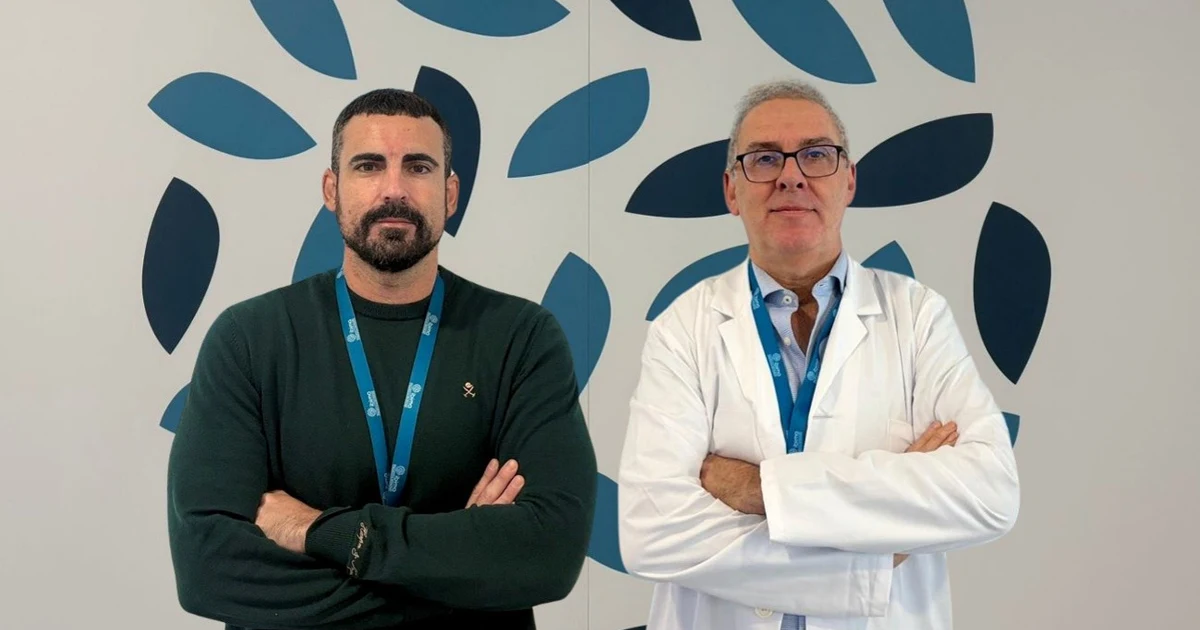
The project is led by Guillermo Estivill, co-director of the Neuroimmunology and Neuroinflammation research group at IBIMA, alongside neurologist Pablo Cabezudo. The Epilepsy Units of Bellvitge University Hospital in Barcelona and Torrecárdenas University Hospital in Almería are also involved, as well as other related centres.
The study has already begun recruiting patients and plans to collect blood and cerebrospinal fluid samples, which will be analysed to detect inflammatory molecules and biomarkers of neuronal damage. Cutting-edge molecular biology techniques and bioinformatics will be employed.
Additionally, the response of neurons derived from induced pluripotent stem cells from the patients' blood cells will be analysed, allowing for the identification of mechanisms responsible for the disease and potential therapeutic targets. This approach is considered highly advanced and could provide valuable insights for improving treatments.
The study is funded by the Carlos III Health Institute and will run for three years. The findings are expected to contribute to improving the quality of life for patients through new diagnostic tools and the optimisation of treatments. Furthermore, it has the support of several organisations that will assist in outreach and patient contact.
You may also like