The platform Ruralidays predicts that Málaga will lead in rural house occupancy in July with 85%, only surpassed by Cádiz (90%). National and German tourism drive bookings.
The province of Málaga is preparing for a record July in rural tourism. According to forecasts from the platform Ruralidays, which manages a portfolio of 2,800 accommodations across Andalusia, occupancy in Málaga's rural houses will reach 85% next month. This figure places Málaga as the second Andalusian province with the highest demand, only behind Cádiz, which leads with 90%. The regional average is estimated at 82%.
Ruralidays co-founder Félix Zea has pointed out that national tourism is the main driver of bookings. “Many Spaniards have decided to stay close to home this summer due to international uncertainty and rising prices in other destinations,” he explained. He also highlighted an unexpected growth in the German market: “German clients usually travel outside the high summer season, but this July we are surprised by their increase.”
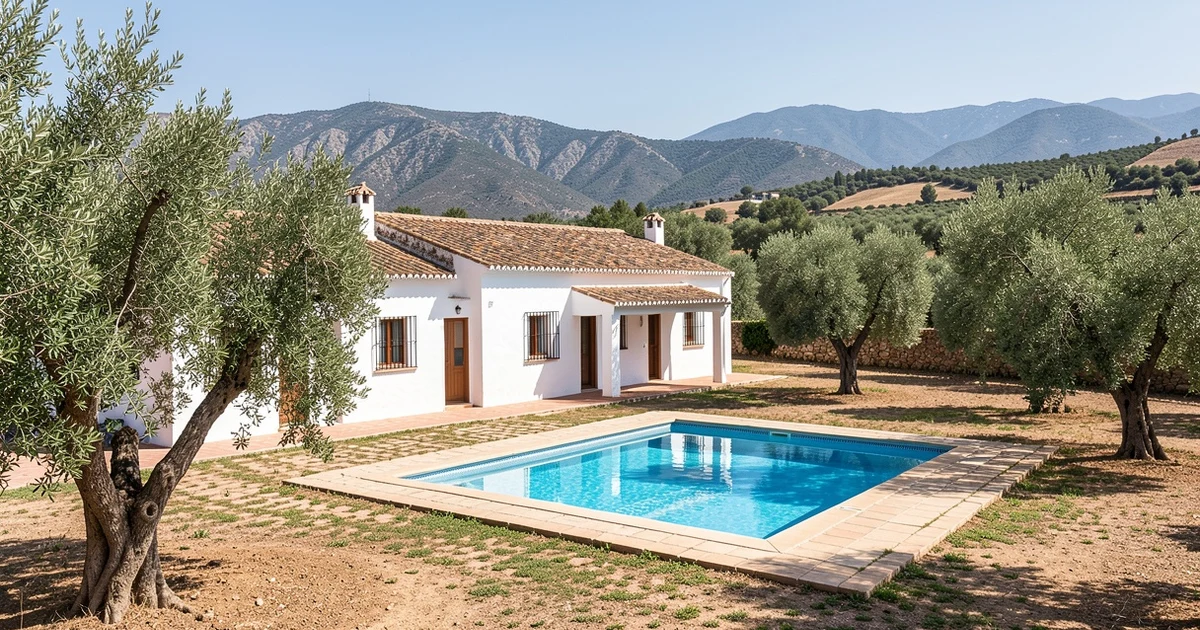
The profile of the traveller choosing rural tourism in Málaga is predominantly family-oriented. Properties with private pools, children's play areas, and air conditioning are the most in demand. The average stay is seven nights, with groups averaging nearly six people. The price per person per night rises to 47.75 euros, a 4.6% increase compared to July 2025. Zea emphasised that “prices have risen less than in other tourist segments this summer and are generally being contained.”
This behaviour contrasts with that of other tourist destinations in the province, such as the Costa del Sol, where the influx of international visitors remains predominant. Rural tourism thus consolidates itself as an alternative for those seeking tranquility and contact with nature without sacrificing comfort.
Looking ahead to the second half of July, bookings continue to grow, and Ruralidays recommends purchasing in advance to ensure availability. The areas of highest demand in Málaga include Axarquía, Serranía de Ronda, and the Guadalhorce Valley, where the supply of rural accommodations is more extensive.

You may also like