A 69-year-old man from Pizarra is in the ICU of the Clínico Hospital in Málaga after being confirmed as the first case of West Nile virus in the province in 2026. The Junta de Andalucía has activated the protocol and maintains alerts in several municipalities.
A 69-year-old resident of Pizarra has become the first confirmed case of West Nile virus in the province of Málaga during 2026. According to the confirmation from the Presidency, Health and Emergencies Department of the Junta de Andalucía this Thursday, the man remains in the Intensive Care Unit (ICU) of the Virgen de la Victoria University Clinical Hospital in the capital, and his condition is uncertain.
The patient visited the Emergency Department over a week ago with fever and headache. After several tests, doctors determined that he was suffering from encephalopathy, a disturbance of brain function that can cause confusion or drowsiness. Due to the suspicion of a West Nile virus infection, his biological samples were sent to the Virgen de las Nieves University Hospital in Granada, the reference centre for this pathology in eastern Andalucía, which confirmed the diagnosis. The department classifies it as a “neuroinvasive” case.
The Clínico has already notified the positive result to Public Health, which in turn has informed the department. According to the protocol, the Emergency and ICU services acted in a coordinated manner to rule out other diseases that could cause encephalopathy.
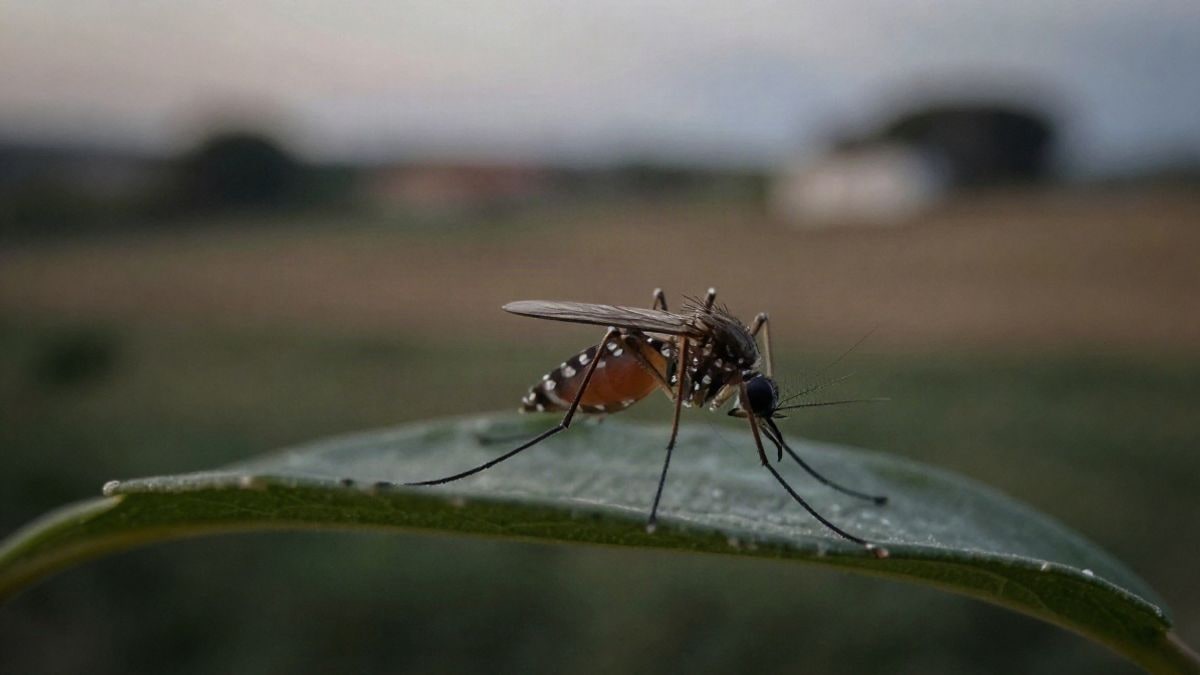
The West Nile virus is transmitted by the bite of Culex mosquitoes, which contract it by biting infected birds. It is not transmitted between people. In 80% of cases, no symptoms develop, but in 20%, West Nile fever appears, with headache, fatigue, or nausea. A small portion suffers from the severe neuroinvasive form, which can cause meningitis or encephalitis. The risk increases in older adults or immunocompromised individuals.
Currently, there are 62 cases reported across Andalucía: 56 in Sevilla, 5 in Huelva, and 1 in Málaga. Of these, 38 have presented as mild illness and 24 as neuroinvasive, with two fatalities. Ten patients remain hospitalized.
Pizarra remains on alert until October 1, the Campanillas district in the capital until September 3, and Cártama until September 22. In Málaga, there were only four infections in 2024 and none in 2025.
Doctor Francisco Javier Membrillo, president of the Spanish Society of Infectious Diseases and Clinical Microbiology (SEIMC), warned in May 2025 that “we are only seeing the tip of the iceberg” and that climate change and spring rains favour transmission. When asked if Málaga was an ideal place for propagation, he responded: “Yes.”
The Health Minister, Antonio Sanz, announced in March that this year's vector surveillance plan also includes monitoring for dengue, chikungunya, and Zika, diseases transmitted by other mosquitoes. In 2025, 17 cases of dengue, 14 of chikungunya, and seven suspected cases of Zika were detected, all imported.
In the event of any compatible symptoms, authorities recommend visiting the health centre and taking extra precautions to avoid bites, especially in alert areas.

You may also like