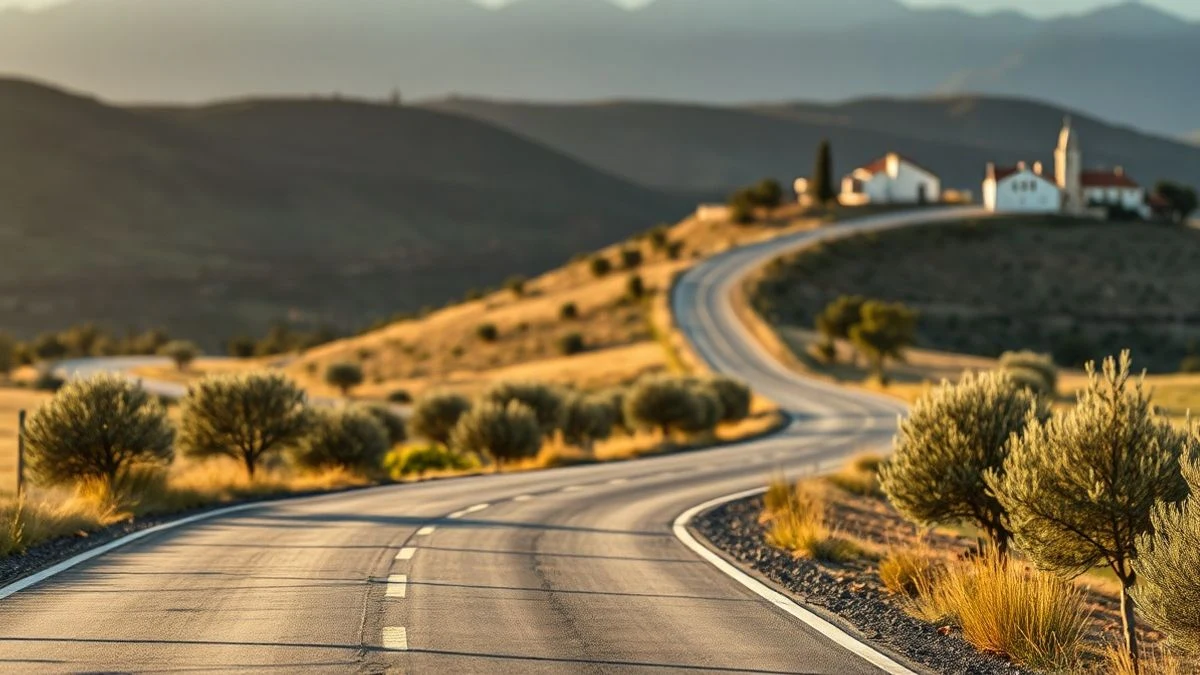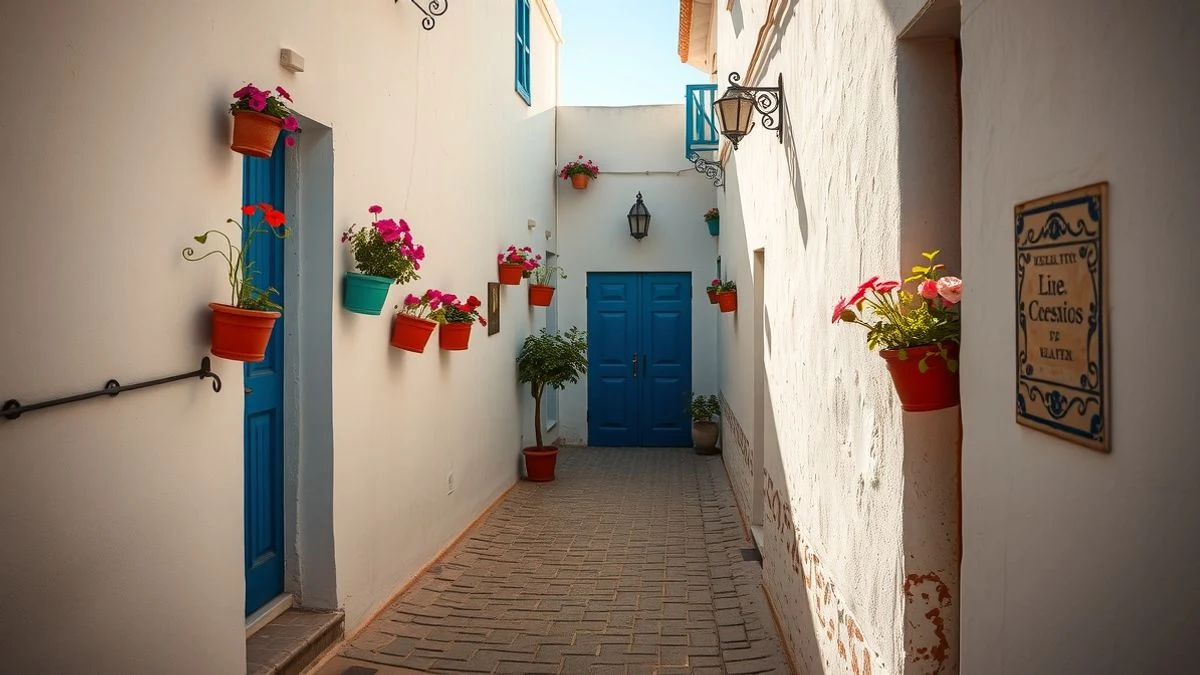
Frigiliana, in the heart of the Natural Park of Almijara, Tejeda and Alhama, has preserved its Moorish layout intact. Its narrow, steep streets, whitewashed facades, and colourful flower pots make it one of the most photographed destinations in the province.
The historic centre of Frigiliana was declared a Historic-Artistic Site and is considered the purest example of popular architecture of Arab origin in the province of Málaga. Strolling through its streets is like entering a labyrinth of passageways, staircases, and small squares that retain the essence of centuries past.
Among the most emblematic buildings are the Church of San Antonio, the Hermitage of the Holy Christ of the Cane, and the Palace of the Counts of Frigiliana, known as El Ingenio. The latter houses the only functioning cane honey factory in all of Europe, an added attraction for visitors.
The Calle Real is the only road in the municipality where vehicular traffic is allowed. From it, numerous alleys lead to corners like El Zacatín, one of the most photographed streets in the village, or the streets Hernando el Darra, Alta, and Amargura. Along the way, there are also adarves, elements of Andalusian urbanism that connected the back entrances of houses through common spaces shared by neighbours.
As visitors explore the centre, they encounter ceramic panels that recall various episodes from local history. The well-known route of the twelve plaques allows one to follow the story of the Moorish uprising and learn about some of the events that marked the town's past. In other corners, small fountains decorated with Christian, Arab, and Jewish symbols surprise, reminding us of the coexistence of these cultures in Frigiliana.
The image of its streets constantly changes thanks to the details. The white facades contrast with pots full of flowers and doors and windows painted in different shades of blue and green. The result is a well-kept urban landscape where hidden patios, narrow alleys, and passages appear between the houses, making each walk different.
The municipality's heritage goes beyond the historic centre. The Archaeological Museum houses 125 pieces ranging from the Neolithic period to the late 16th century and dedicates space to Christian, Arab, and Sephardic cultures, as well as having an area for contemporary art. Other sites worth visiting include the Old Fountain, the Royal Granaries, the Botanical Garden of Santa Fiora, and the remains of the castle of Lízar, built on the hill of La Sabina.
Frigiliana is also notable for its diversity. About a third of its 3,200 inhabitants come from other countries, contributing to a cosmopolitan atmosphere that is felt while walking through its streets. This open character and its careful aesthetics have made the municipality a recurring destination for both national and international tourists.
For those wishing to explore the village at a leisurely pace, it is recommended to park on the outskirts and wander through its alleys without haste. The best times to visit are spring or autumn, when temperatures are milder and flowers further adorn its facades.

You may also like