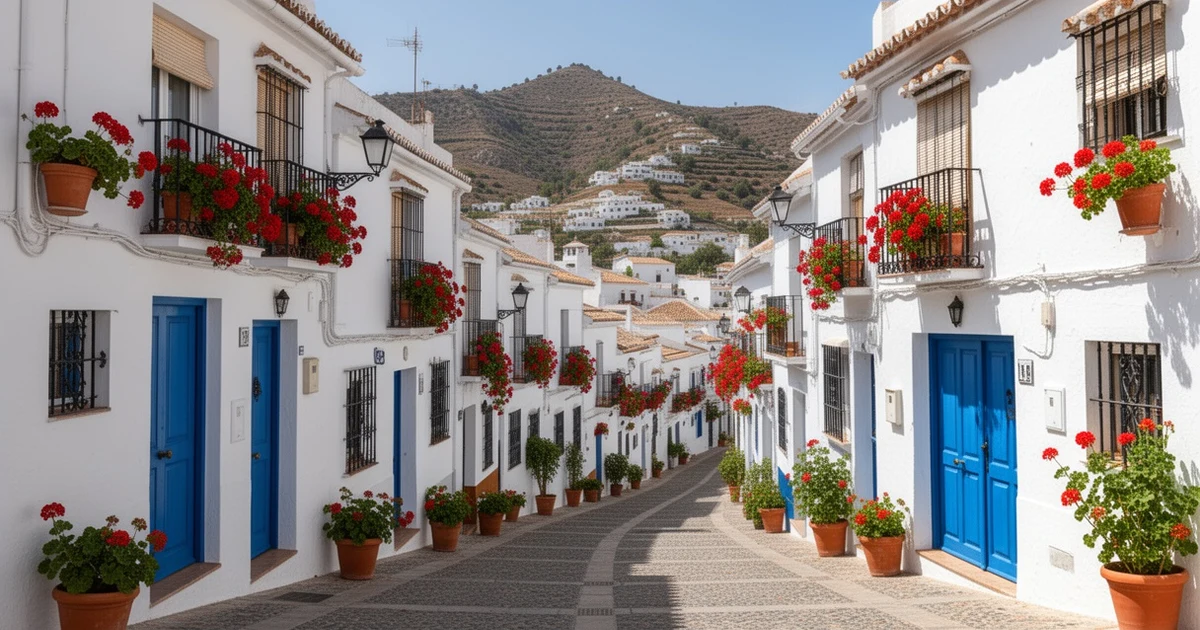
El Ingenio, the only active honey cane factory in Europe, keeps Frigiliana's centuries-old tradition alive. Located in the Axarquía region, the factory produces the sweet syrup that defines local gastronomy.
Deep in the whitewashed labyrinth of Frigiliana, a sweet smell drifts from a Renaissance palace. For centuries, the only active honey cane factory in Europe has been operating inside the 16th-century Palace of the Counts of Frigiliana, turning sugar cane into a dark, aromatic syrup that defines the gastronomy of the Axarquía.
The factory, known as El Ingenio, is more than a tourist attraction: it is the heartbeat of this village in the province of Málaga. While other factories across Europe have closed, Frigiliana's remains, producing what locals call “oro negro” (black gold). The syrup is used in everything from fried eggplant to traditional desserts, and its production draws visitors from all over the world.
“It's the flavour of history concentrated in a jar,” says a local guide, María López, as she shows the smoke rising from the chimney. “This tradition came from the East and decided to stay here forever.” The factory is part of a broader cultural heritage that includes the Barrio Mudéjar, a maze of cobbled streets with geometric patterns, blue doors, and red geraniums. The village has been repeatedly named the most beautiful in Andalusia, a title it wears with pride.
Tourism in Frigiliana has grown steadily, but the village remains authentic. Unlike other overcrowded white towns, Frigiliana retains its soul, partly because of its unique layout designed to confuse invaders. The streets rise and fall with the rock, offering panoramic views from the ruins of the Castillo de Lízar, a 9th-century fortress that overlooks the Mediterranean.
The connection between the factory and the village is tangible. The syrup is not just a product; it is a link to the Morisco past that shaped the region. In August, the Festival de las Tres Culturas transforms Frigiliana into a medieval market, celebrating the coexistence of Christians, Muslims, and Jews. During this festival, the honey cane syrup is a star ingredient.
For those seeking a quieter experience, a Tuesday in autumn at dawn is the perfect moment to explore the village. The sunrise casts a golden light on the white facades, and the streets are empty. The Jardín Botánico de Santa Fiora offers a peaceful retreat with native plants and views of the valley.
Data point: The honey cane factory processes 200 tons of sugar cane annually, producing 100 tons of syrup.
Frigiliana's economy relies heavily on tourism, but the factory provides a stable source of local employment. The syrup is sold in shops across the village and exported to specialty stores in Europe. Visitors can taste it in local dishes such as berenjenas fritas con miel de caña (fried eggplant with honey cane syrup) or choto al ajillo (kid goat with garlic).
The palace itself is worth a visit, not for its salons, but for the machinery that has been operating continuously for centuries. The process is simple: the cane is crushed, boiled, and reduced to a thick, dark syrup. The smell is intoxicating, a mix of caramel and earth.
Frigiliana is just 7 kilometers from the Nerja caves, but it feels like a world apart. While the Costa del Sol buzzes with beach clubs, this hilltop village offers silence, history, and a taste of something rare. As the sun sets, the village glows orange, and the only sound is the trickle of water from a fountain.
For those planning a visit, the best time is spring or autumn. The summer months can be crowded, but the Festival de las Tres Culturas in August is an unforgettable experience. No matter when you go, leave your phone behind and get lost in the streets. The algorithm will wait.

You may also like