Over 2,000 residents of Málaga have participated in the 2025-2026 school year in the activities of the 'Mediterranean Classroom' programme. This initiative, driven by the Junta de Andalucía, aims to raise awareness about the benefits of the Mediterranean Diet.
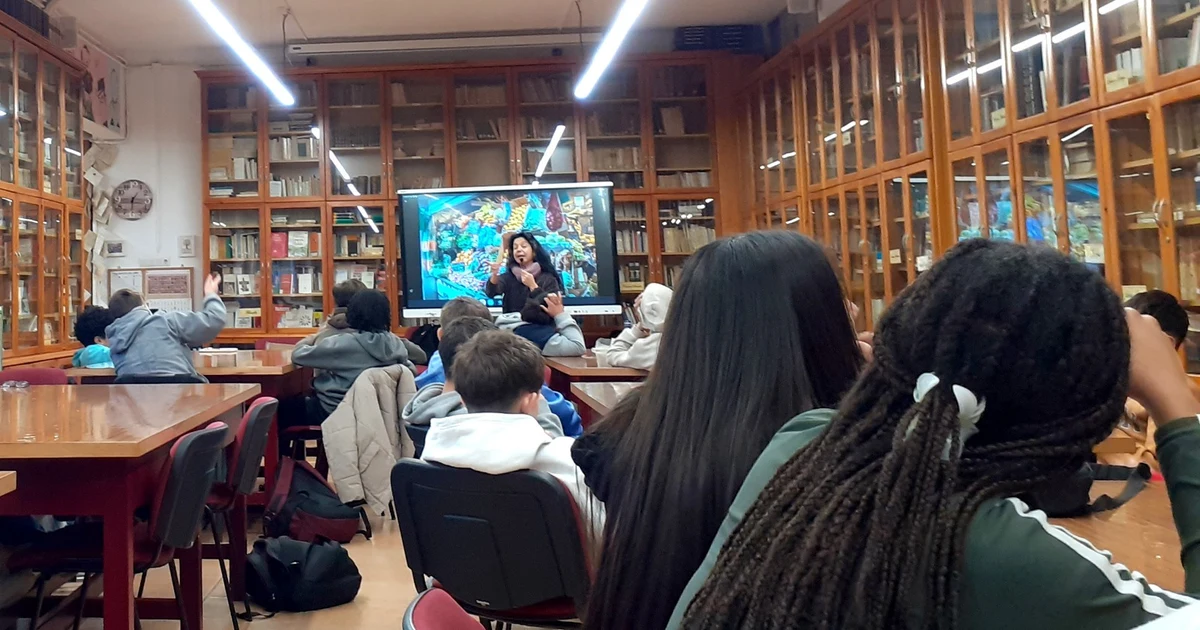
The programme, aimed at Primary, Secondary, Baccalaureate, Vocational Training, and Adult Education students, has seen the participation of 2,167 people from seven municipalities in Málaga. This year, provincial coordinators from the Healthy Lifestyle Programme of the Territorial Delegation for Educational Development in Málaga have also collaborated.
Activities developed in 'Mediterranean Classroom'
The majority of participants, around 73%, were located in the Málaga capital, where over 75% of participation was also concentrated. Among the 529 students from other educational centres are those from Pizarra, Vélez-Málaga, Torre del Mar, Cártama, Archidona, and Alhaurín de la Torre.
The purpose of this initiative is to promote healthy eating habits in Andalusian society. To this end, theoretical and dynamic activities are carried out, adapted to different ages. Proposed activities include creating food pyramids, talks on balanced diets, and interactive games.
The impact of the Mediterranean Diet
The Junta de Andalucía advocates the programme as a tool to promote the Mediterranean Diet, which in recent years has been abandoned, especially among the younger generation. This is linked to increasing health issues, such as overweight and hypertension, which are increasingly affecting children.
The activities also promote a sustainable lifestyle, encouraging the consumption of local and seasonal products. Additionally, circular economy issues are addressed, such as reducing food waste.
Since its inception in 2019, the 'Mediterranean Classroom' has had nearly 12,300 participants in Andalusia. This programme seeks to disseminate the benefits of the Mediterranean Diet, recognised as Intangible Cultural Heritage of Humanity, especially in the Málaga capital, where the facilities of the European Institute of Mediterranean Food are located.

You may also like