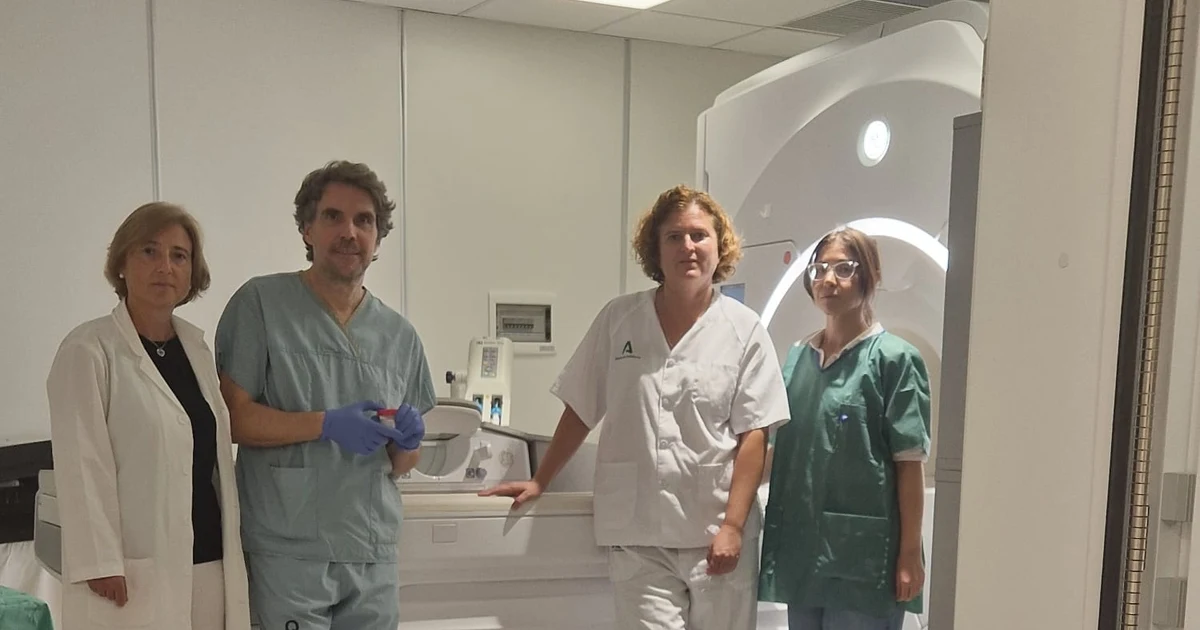
In Málaga, a team of researchers has revealed that a low liver fibrosis index may increase the likelihood of patients with obesity and type 2 diabetes achieving remission of the latter disease after undergoing metabolic surgery. This finding was presented in a study published in the scientific journal Surgery for Obesity and Related Diseases.
Study Results
The data obtained indicate that patients with lower risks of liver fibrosis have a 41% higher chance of seeing their type 2 diabetes remit one year after surgery. This analysis focused on a cohort of 145 patients, showing that 73.6% of those with low fibrosis risk achieved remission, compared to 52.1% of those with higher values on this marker.
The study highlights the use of the Hepamet fibrosis score, a simple and non-invasive tool that estimates the risk of liver fibrosis. This tool is based on routine clinical and analytical data, facilitating its integration into daily clinical practice.
Implications for Diabetes Treatment
Metabolic surgery has established itself as one of the most effective strategies for treating obesity, and this research adds a new dimension to the understanding of how liver health influences diabetes. The team, led by doctors José Ignacio Martínez Montoro and José María Pinazo, among others, is part of IBIMA Plataforma BIONAND and various hospitals in Málaga, in collaboration with different clinical and academic institutions.
According to the researchers, assessing liver status before surgery could be crucial for anticipating the evolution of type 2 diabetes. This would complement other factors such as weight or glycaemic control, allowing for a better understanding of the patient's metabolic context.
The authors emphasize the need for further research in this area but warn that the Hepamet fibrosis score could become a valuable tool in preoperative assessment, helping professionals integrate multiple determinants in the treatment of type 2 diabetes.

You may also like