In Málaga, the Virgen de la Victoria University Clinical Hospital conducts around 2,000 consultations annually for patients with pulmonary fibrosis, offering specialised care in this area.
On the occasion of World Pulmonary Fibrosis Day, commemorated on September 7, this hospital complex has implemented various initiatives to raise awareness about the disease and interstitial lung diseases. Its Pulmonology service carries out a dedicated clinic for Interstitial Lung Diseases, providing a comprehensive approach to patients.
Initiatives and Awareness
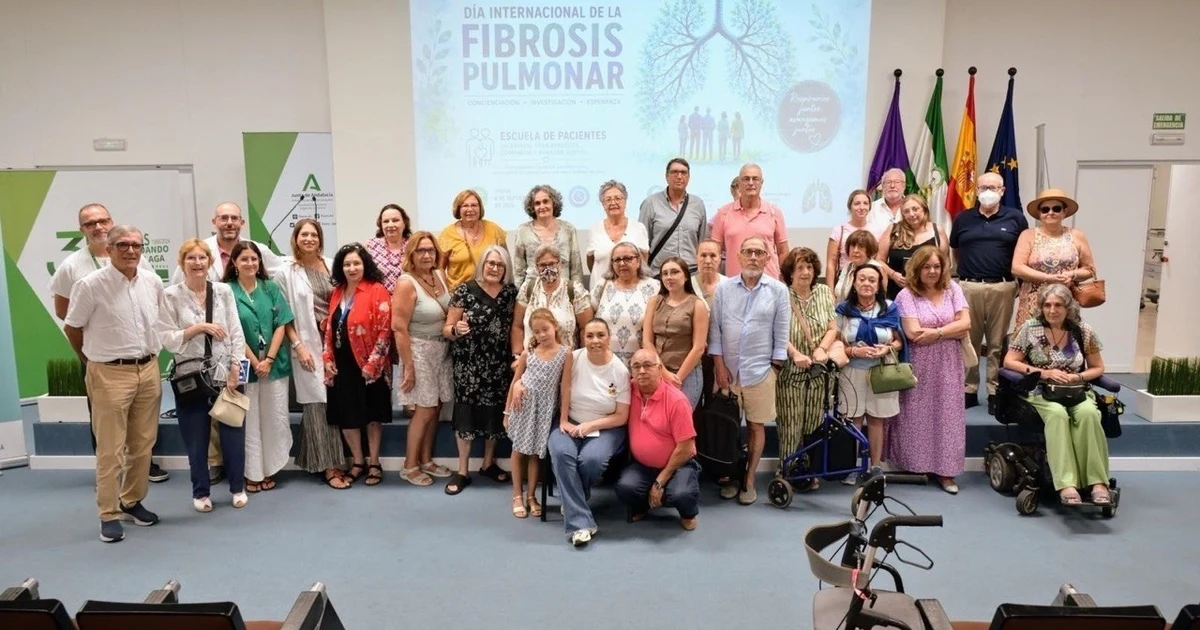
The programme includes the celebration of a meeting and an information table, carried out in collaboration with the respiratory patients' association of Málaga (ALERMA). These events aim to improve knowledge about interstitial lung diseases, promote active participation of patients, and facilitate the exchange of experiences.
The approach to these conditions is strengthened through the Patient School, which the Pulmonology service established in 2024, providing educational support to those affected and their families.
Impact and Treatment of the Disease
Despite being rare, idiopathic pulmonary fibrosis (IPF) has a considerable impact on the quality of life of those who suffer from it. The incidence of IPF is estimated to be between 4.6 and 7.4 cases per 100,000 inhabitants per year, affecting around 7,000 to 12,000 people in Spain, of which nearly 1,000 reside in Andalusia.
Advances in diagnosis and treatment are crucial. According to Luis Fernández de Rota, a pulmonologist at the Clinical Hospital, there are currently antifibrotic treatments that can slow the progression of IPF. Significant research is also being conducted, offering hope for the development of new therapies in the future.
The commitment of the Pulmonology service to research is strong, participating in national and international clinical trials that evaluate therapeutic innovations. The Multidisciplinary Committee for Interstitial Lung Diseases, which meets weekly, allows for an integrative and effective approach in treating the most complex patients.

You may also like