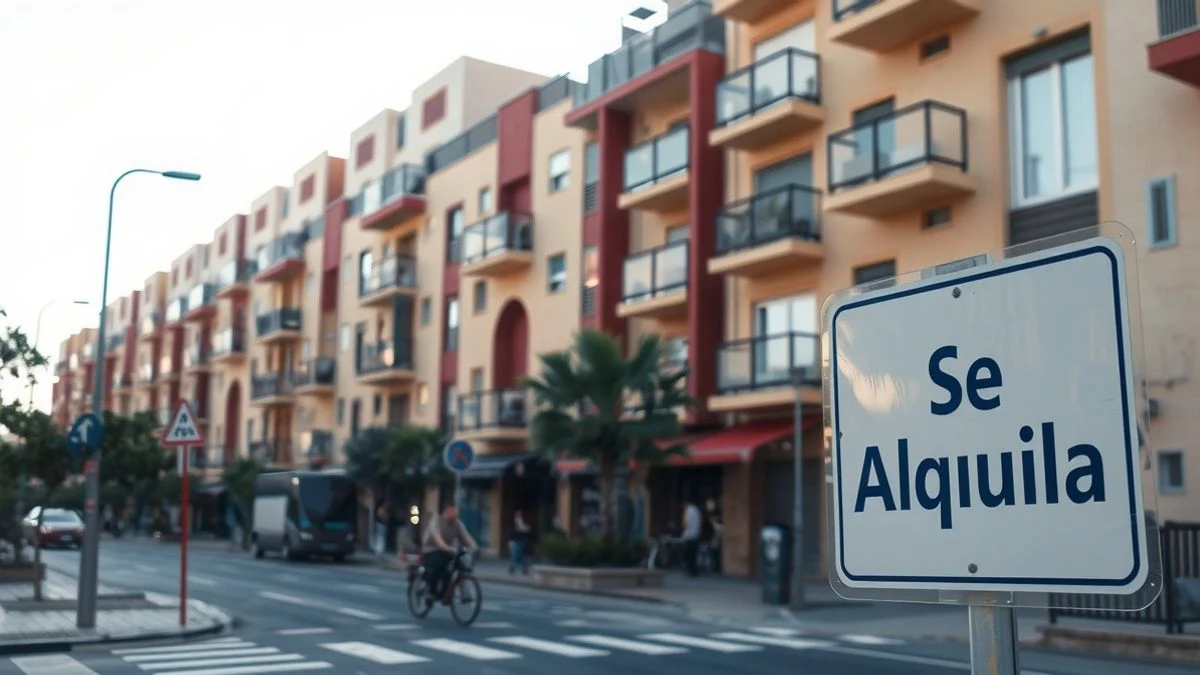
Málaga City Council gives the final green light to a moratorium of up to three years that will prevent the establishment of new hotel facilities and blocks of tourist apartments on residential land.
Málaga City Council has definitively approved the moratorium of up to three years that halts the opening of new hotels and tourist apartments on residential land in the capital. The measure, which had already been announced in recent months, excludes projects that had already begun their processing before the regulation came into force and does not affect land with tertiary classification.
A regulatory shift to curb tourist saturation
The decision expands the regulatory shift initiated last year with the suspension of new licenses for tourist use housing. The declared objective of the City Council is to preserve residential use in certain areas of the city while advancing the modification of urban planning that will define future rules for this type of establishment.
The councillor for Urbanism has stated that the moratorium will allow for the ordering of tourist growth and prevent the loss of housing for residents. The measure responds to the pressure that mass tourism exerts on the housing market in Málaga, where rental prices have skyrocketed in recent years.
Limits on the conversion of commercial premises into housing
The new regulation also incorporates limits on the conversion of commercial premises into housing. These changes can only be made under certain urban and habitability conditions, and will be restricted in the main commercial streets to avoid the loss of economic activity in those areas.
The City Council thus seeks to prevent the historic centre and commercial axes from being distorted by the proliferation of tourist flats, a phenomenon that has already provoked protests from residents in neighbourhoods such as Soho or La Malagueta. The moratorium affects the entire municipal area, although the impact will be greater in the most pressured areas.
Málaga, a destination with 65,000 places in tourist flats
The approval of the moratorium comes in a context marked by the growth of the tourist offer in the capital. Málaga exceeds 9,600 places in tourist apartments and 14,000 hotel places, in addition to around 65,000 places in tourist use housing. These figures have led the city to be one of the destinations with the highest density of tourist accommodations in Spain.
For the residents of Málaga, the measure represents a relief in the rising rental prices, which have increased by 30% in the last five years in some neighbourhoods. However, business organisations have expressed concern about the halt to tourist investment, which generates jobs and wealth in the city.
The City Council has committed to approving the new urban plan within a maximum period of three years, during which the areas where tourist activity is allowed and the conditions for its development will be studied. In the meantime, the moratorium will remain in effect, and new hotels will only be permitted on tertiary land, such as the Port of Málaga or the university area.
"It is not about demonising tourism, but about organising it so that it is sustainable and coexists with the lives of Málaga residents," defended the municipal spokesperson.
The decision has been well received by residents' associations, which have been demanding measures to curb touristification for years. "This is a first step, but more control is needed over illegal tourist flats," said the president of the Federation of Neighbourhood Associations of Málaga.
For their part, hoteliers have expressed their dissatisfaction, as they believe that the moratorium "stalls the modernisation of the hotel sector" and may reduce the city's competitiveness against other destinations. Nevertheless, the City Council assures that the measure does not affect existing establishments or projects in processing.
The moratorium will come into effect in the coming days after its publication in the Official Bulletin of the Province, and it is expected to have a direct impact on the local real estate market, by reducing pressure on residential housing. Residents of Málaga will be able to consult the affected areas on the City Council's website.

You may also like