The Green Economy conference in Málaga discusses financing for reclaimed water, renewable energy, and waste projects. Unicaja Banco, Hidralia, Moeve, and the Provincial Council present their initiatives.
The circular economy was the focus of a meeting in Málaga on Tuesday, where experts from Unicaja Banco, Hidralia, Moeve, Ecoterrae, and the Provincial Council detailed financing avenues for wastewater, renewable energy, and waste projects. The event, held at the AC Málaga Palacio hotel, is part of the Green Economy conference, as reported by Diario Sur.
The director of strategy and sustainability at Unicaja Banco, Evaristo Ramírez, explained that the institution has open financing lines for both large companies and SMEs. "We are incentivised by the ECB to provide this financing, and we have internally recognised that such projects are essential for the survival of companies," he stated.
"As a risk factor for financing companies, we see how they are planning their long-term future. We have open lines for both large companies and SMEs, covering basic needs like energy in a block of flats."
Ramírez detailed that Unicaja finances solar plants in areas transitioning from irrigated to dry farming, green hydrocarbon installations, energy efficiency in buildings, and projects aimed at reducing water losses. He also mentioned volunteer programmes and financial training.
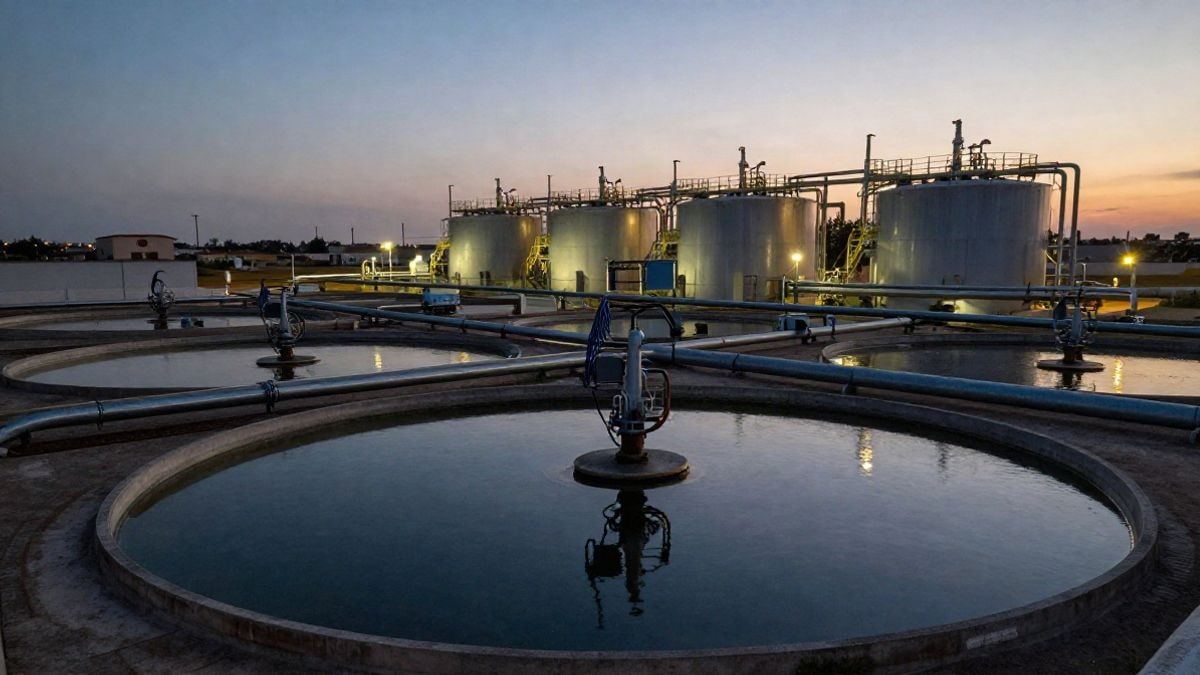
From Hidralia, its director of sustainability, social action, and transformation, Gonzalo Jiménez, focused on ecofactories. "The ecofactory represents a paradigm shift. We not only comply with regulations. We not only reverse negative impacts but also turn them around to generate a positive impact," he asserted. Jiménez explained that some facilities generate 140% of the energy they consume and valorise almost all waste, such as wipes.
The Hidralia representative also highlighted the use of artificial intelligence to dose in real-time based on turbidity, colour, or waste in the water. "Previously, we had to wait for analyses," he recalled.
The environmental director of Moeve, Marien Benavente, presented the Nuba green hydrogen project, which plans to generate two gigawatts in Andalusia, starting in Huelva. "Green hydrogen and methanol will be key in sectors that are difficult to electrify, such as planes or ships," she emphasised. Benavente indicated that the company has reduced water intake by up to 22% in water-stressed areas and aims to reach 25% in the next horizon.
The first vice president of the Provincial Council of Málaga and deputy of the Sustainable Infrastructure and Territory Area, Cristóbal Ortega, presented the Biomasa Málaga project, which aims to generate energy for heating public buildings and create heating networks from forest surpluses. The initiative has already been tested in Yunquera, where the school and town hall are located.
The meeting also featured Abilio Caetano, business development director of Ecoterrae, an environmental sustainability consultancy. The conference addressed public-private collaboration and digitalisation as tools for operational efficiency in resource management.

You may also like