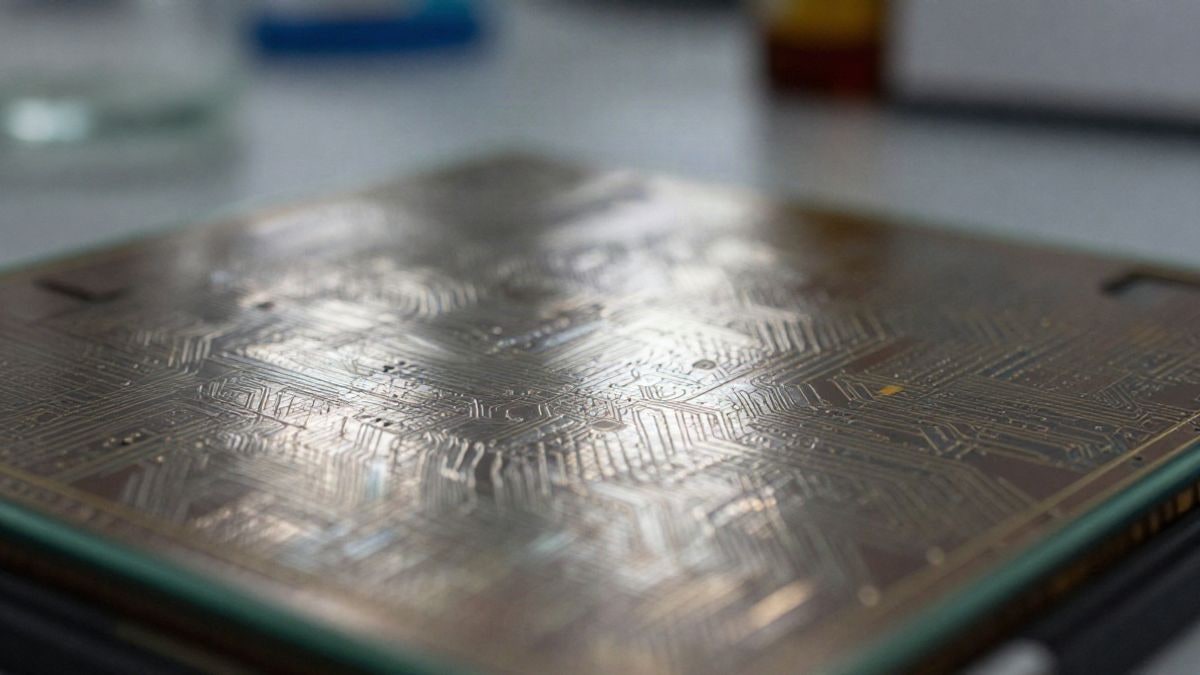
Minister Óscar López announces that the construction of Imec's semiconductor R&D centre in Málaga TechPark will begin in the first quarter of 2027. The project includes €500 million from the government, over €130 million from the Junta, and land from the city council.
The construction of the semiconductor R&D centre that the Belgian institute Imec will build in Málaga TechPark will start in the first quarter of 2027. This was confirmed by the Minister for Digital Transformation and Public Function, Óscar López, during the 'Digital Sovereignty: Now Semiconductors' event held in Madrid, as reported by Diario Sur.
The project is a collaboration between Imec and three administrations. The government is contributing €500 million through the Spanish Society for Technological Transformation (SETT); the Junta de Andalucía is adding over €130 million, and the City Council of Málaga has provided the land and is expediting urban planning processes. The technical coordination is handled by the public company INECO.
The complex will include Spain's first advanced semiconductor R&D facility with 300 millimetres: a clean room of 2,000 square metres for prototyping next-generation chips. It will house 60 advanced processing machines, with an investment of €267 million, of which €150 million comes from funds managed by the SETT.
“The chip market drives the world. It is clearly propelled by the boom in artificial intelligence, but it also consolidates its presence in essential and everyday goods such as cars, phones, and increasingly, household appliances. Chips are now a critical piece in the machinery of the global economy. Neither Europe nor Spain can afford to lag behind. It is not just a matter of GDP or competitiveness. It is a matter of valuable employment and technological sovereignty,” highlighted López.
The minister presented the model of the facilities and detailed employment estimates: 200 direct high-quality jobs and 500 indirect jobs in the city and province, along with 1,000 additional jobs across Spain. In total, up to 1,700 jobs linked to the centre.
The infrastructure is part of the PERTE Chip and the European Next Generation funds included in the Recovery, Transformation and Resilience Plan. The centre will work on telecommunications, medicine, mobility, photonics, and quantum applications, and will seek synergies with universities, research centres, companies, SMEs, and startups.
The event also featured Patrick Vandenameele, CEO of Imec, and Javier Ponce, general director of the SETT, alongside representatives from associations, companies, and universities in the sector.

You may also like