Advances in Alzheimer Diagnosis in Andalusia
Andalusia has taken an important step in the diagnosis of Alzheimer with the introduction of less invasive and more precise tests. These tests include analyses of specific blood biomarkers, which provide valuable information for the early diagnosis of this disease.
In 2025, approximately 18,000 people over 65 in Andalusia received a diagnosis of some type of dementia. Of this total, nearly 12,000 were diagnosed with Alzheimer, a disease that affects around 100,000 Andalusians.
Less Invasive and Accessible Tests
Antonio Sanz, the first vice president and councillor for the Presidency, Health and Emergencies of the Andalusian Government, stated that the implementation of blood analyses represents a significant advance. These tests not only improve the accuracy of the diagnosis but also constitute a less invasive, accessible, and efficient method.
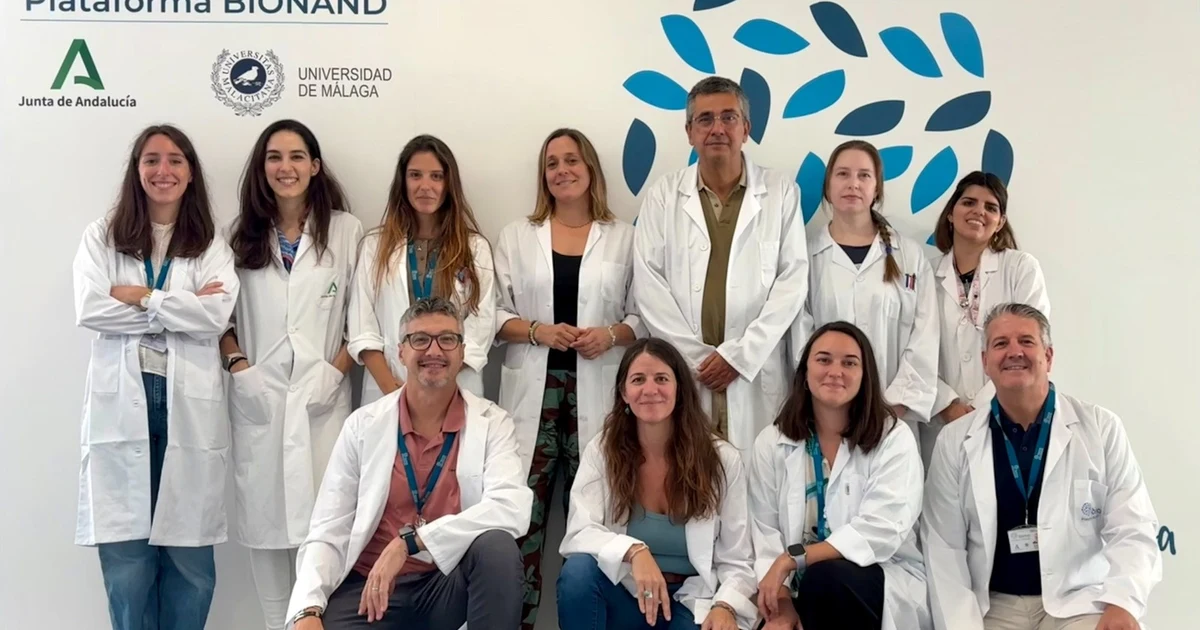
The development of this innovation is part of multicentre projects such as ‘The Andalusian Alzheimer Neuro-Reca Cohort’ (ANRAC), recently published in the Journal of Alzheimer’s Disease. These projects aim to offer more personalised and accessible medicine, focusing on improving diagnosis and the quality of life for Alzheimer patients.
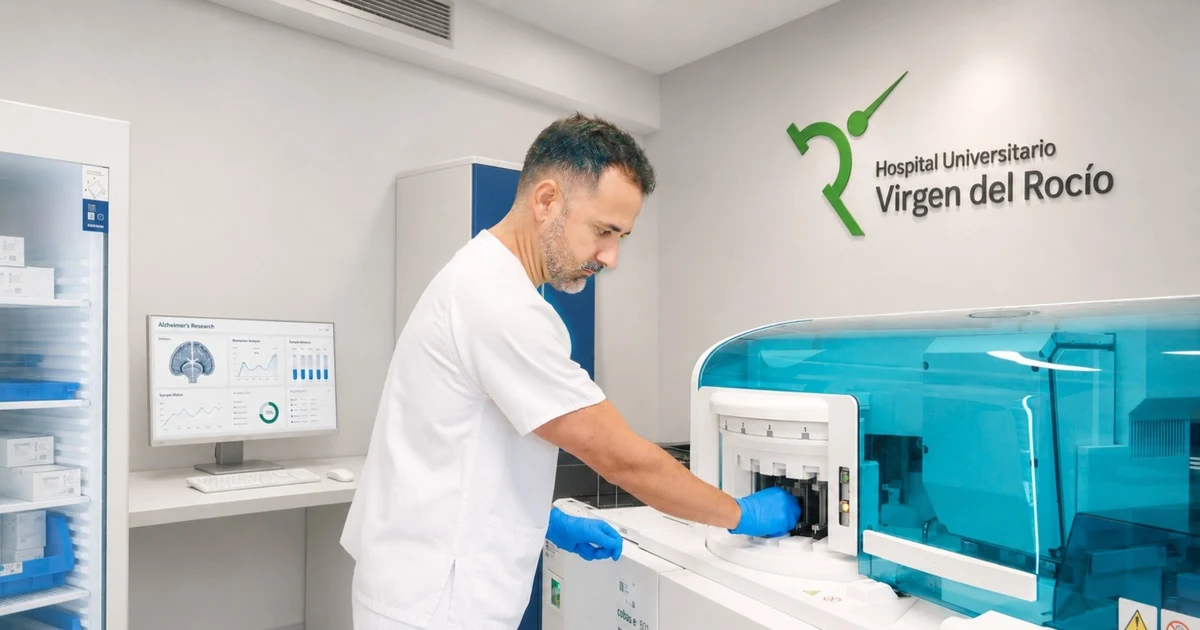
Since 2023, Andalusian hospitals have followed a rigorous protocol to incorporate biomarkers into daily clinical practice, allowing for more than 1,000 automated determinations annually. This process began with the analysis of biomarkers in cerebrospinal fluid for patients presenting clinical profiles that complicated diagnosis.
Among the advances are also investigations exploring the relationship between Alzheimer and other diseases such as type 2 diabetes and vascular dementia, as well as the study of the neurodegenerative mechanisms involved.
On the other hand, the Comprehensive Alzheimer and Other Dementias Plan for Andalusia 2023-2027 has shown a positive evaluation, meeting over 70% of its objectives, with a focus on socio-health coordination and equal treatment for all affected.

You may also like