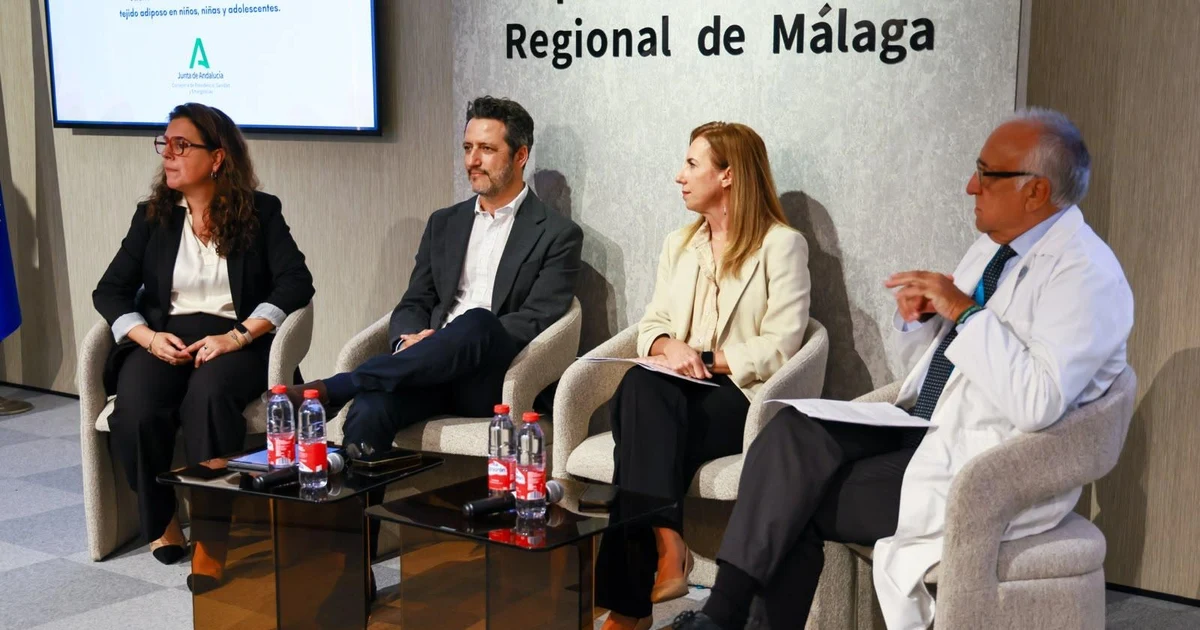
The Regional University Hospital of Málaga was the venue for a day aimed at healthcare professionals on 6 November 2026. During this meeting, the ÓrbiTA Programme was introduced, which brings a new approach to the treatment of childhood obesity.
The programme, driven by the Ministry of Presidency, Health and Emergencies, aims to standardise the approach to childhood obesity in Primary Care across Andalusia. Furthermore, it seeks to recognise this condition as a chronic disease with various determinants that go beyond lifestyle habits.
Data on childhood obesity in Andalusia
According to data from the Observatory of Childhood and Adolescence of Andalusia, in 2025, 35.6% of children aged between 2 and 15 years in the region were overweight. More specifically, 19.8% were classified as overweight, while 15.9% suffered from obesity.
The Andalusian Health Service attended to 32,538 children with obesity in 2025, distributed across different age ranges. In response to this situation, the Junta de Andalucía will launch the ÓrbiTA Plan in the first quarter of 2027.
Implementation of the ÓrbiTA Programme
The programme will focus on children and adolescents aged between 2 and 18 years with risk factors for obesity or a high body mass index (BMI). Its execution will be carried out by Primary Care professionals, including paediatricians, family doctors, and social workers, who have received specific training since last October.
ÓrbiTA aims to establish a new care roadmap for childhood obesity. This includes risk detection during routine check-ups, screening via BMI, and individualised follow-up with referrals to specialised care when necessary.
Additionally, the programme includes ongoing support for up to 18 months, placing the family at the centre of the intervention process. The success of the intervention is expected to be evaluated through multiple criteria, including both the stabilisation of the children's weight and the improvement of their quality of life.

You may also like