The sharp increase in water consumption during the summer has led Aguas de los Verdiales to acknowledge that it cannot guarantee a minimum weekly supply in some areas of southern Almogía. The Council has issued a decree asking residents to reduce non-essential uses.
Summer is pushing water supply in Almogía to its limits. Aguas de los Verdiales, the company responsible for the service, has acknowledged that it can no longer guarantee a minimum weekly supply —let alone daily— in some areas of the southern municipality. The Council has reacted with a decree demanding that residents immediately reduce all non-essential uses.
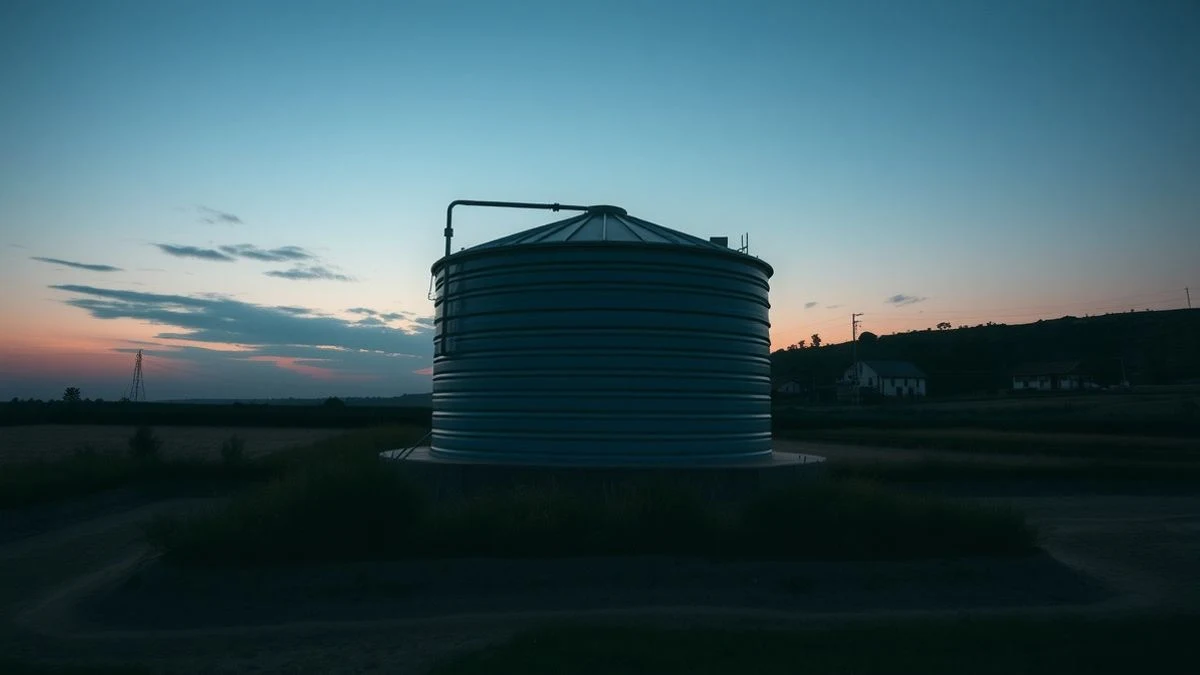
High temperatures and increased demand are preventing adequate levels from being maintained in certain reservoirs. The problem is exacerbated in scattered areas and the most distant points of the network, where the flow arrives with greater difficulty from the main reservoir at El Puntal. According to the supplying company, there are residents in the southern area who receive water only for a few hours a week, an insufficient time even to replenish household reserves until the next flow arrives.
The Council has published a decree requesting responsibility in domestic consumption. Among the recommendations are to avoid watering gardens and orchards with drinking water, not filling pools, limiting vehicle and facade washing, repairing possible leaks, and maximising savings both in homes and in establishments and economic activities.
Aguas de los Verdiales attributes part of the problem to behaviours they describe as "unsupportive" and "uncivic." The company claims to have repeatedly detected the use of network water for irrigating orchards, olive groves, and lawns or filling pools, despite the difficulties faced by other areas. That the supply is paid for, they emphasise, does not eliminate the obligation to use it responsibly in a context of scarcity.
In response to the situation, the company will suspend the contracting of new supplies in rural land throughout its area of activity. This measure will be applied even if the requests meet legal requirements and there is technical availability of water, as they consider that incorporating new users would exacerbate the pressure on a network that is already operating at its limit.
The problems do not solely stem from consumption. The storms of last autumn and winter allowed for the recovery of wells and springs but also caused significant damage to pipelines, distribution networks, and facilities. Some of these damages have not yet been fully repaired, which reduces the system's capacity to respond during peak demand periods.
Meanwhile, work continues to detect leaks, fraud, and damage in the network. The Council has announced that it will strengthen monitoring and locating breakdowns, prioritising reserving available water for human consumption and delivering flow to the areas facing the greatest difficulties.
Both the Council and the company appeal for responsibility, solidarity, and civility to avoid more severe measures. Among these could be scheduled cuts in certain areas to recover reservoirs and ensure supply to as many users as possible.
For now, the strategy is to contain demand before having to turn off the tap. The evolution of the reservoirs and the response of consumers will determine whether Almogía can stabilise the service or if summer forces the adoption of stricter restrictions.
Affected residents can consult the municipal decree on the Council's website and follow the recommendations to avoid penalties. The company reminds that responsible water use is key to overcoming this critical situation.

You may also like