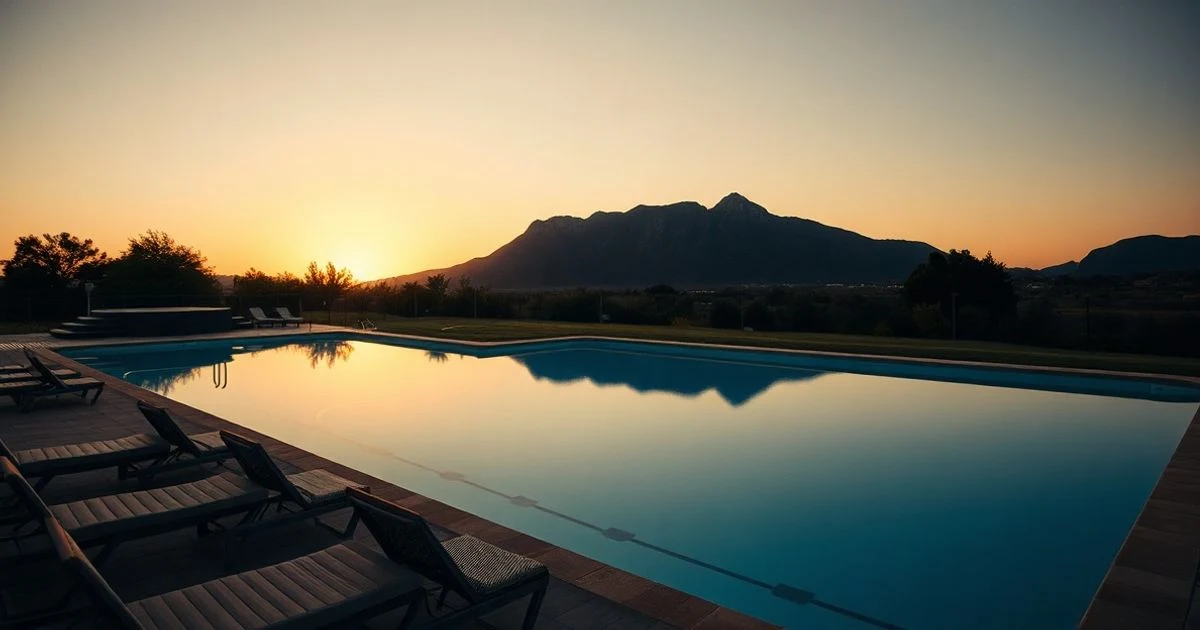
The Hotel Escua and the Sunset Pool Club were the venues for the IX Flamenco Cabildo in Archidona, a festival that promotes hybridisation and closeness between artists and the audience.
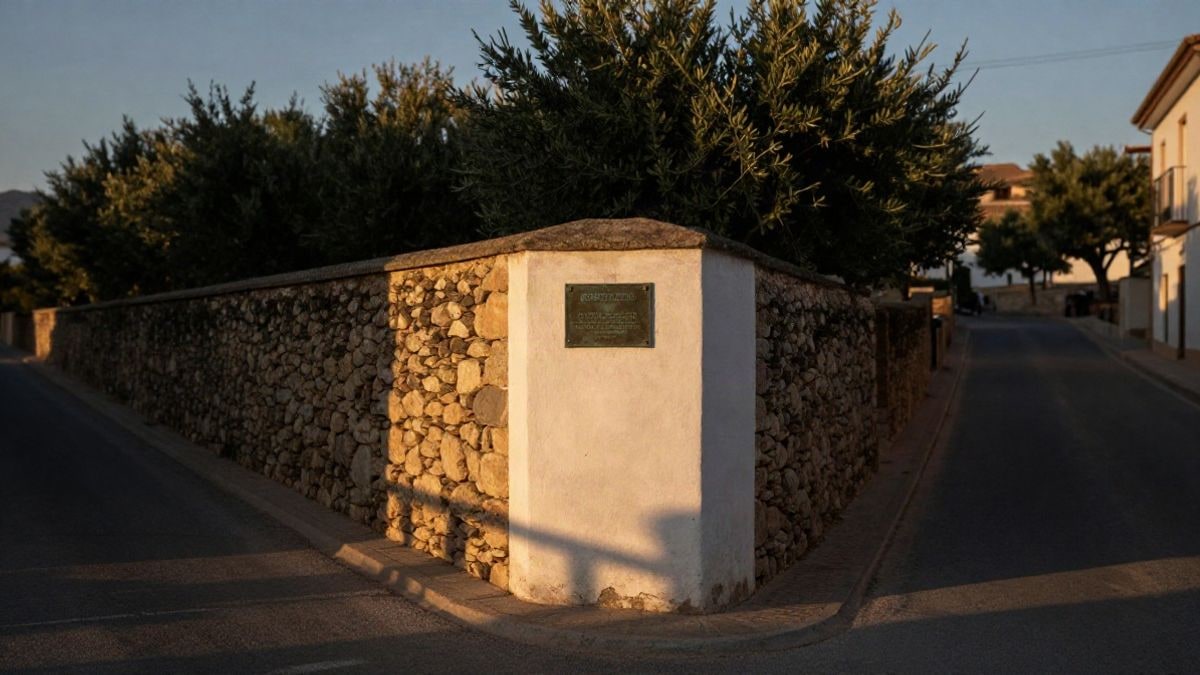
The IX Flamenco Cabildo in Archidona took place last weekend with a format that steers clear of large festivals, opting instead for intimacy and creativity. Organised by José Luis Ortiz Nuevo, known as El Poeta, the event was held at the Hotel Escua and the Sunset Pool Club, a two-level space with a pool and Balinese sunbeds that contrasts with the landscape of the Peña de los Enamorados.
The evening on Friday began with a performance by Rocío Boterita alongside Alejandro Lévar, who presented their electronic verdiales. This fusion, which has already been explored by artists such as Los Voluble or Rocío Márquez, works thanks to a slow-cooking process that Alejandro has been developing for years. Rocío joined the project as a tribute to her father and her heritage, and the result was a live performance that made it clear that hybridisation has a future. According to festival sources, they have not yet recorded the material due to the summer schedule, but the album is expected to be released soon.
Kiki Morente and the Weight of a Surname
The night continued with Kiki Morente, accompanied on guitar by David de Ana, son of Ana Pastrana, one of the key figures of the Cabildo alongside José Luis Solís and Ortiz Nuevo. Kiki Morente, carrying the surname of Enrique Morente, faced the challenge with dedication and a beautiful tone, although the echo of the Granada singer remains a difficult double ceiling to surpass. For his part, David de Ana demonstrated a unique touch that aims high despite his youth. The audience, which filled the space, enjoyed a close performance, as the artist mingled with attendees during dinner and the subsequent discussion.
The first day closed with Carlos Emblemática, who performed a session in tribute to his companion Alicia Acuña. Although the younger audience left early, those who stayed enjoyed a mix of synthetic rhythms with folklore, flamenco, and copla, a trend that is becoming increasingly widespread. The night ended with discussions at the bar until three in the morning, with Kiki Morente and his group dining at a table in the back, accessible for anyone who wanted to greet them.
Molletes, Walks, and Rehearsals by the Pool
Saturday began with a mollete from Archidona —not from Antequera, as the rivalry between neighbours warrants another article— and a talk by Ortiz Nuevo about the history of the Peña de los Enamorados, based on his research. Attendees were able to stroll through the town and discover gems like the Salón de la Radio, with its exceptional collection of phonographic equipment. Ortiz Nuevo's collection in the library could not be visited due to it being Saturday, but it remains pending for the next edition. The swim in the hotel pool was accompanied by rehearsals from Soleá and Kiko on both stages, a luxury for the senses.
The Flamenco Cabildo in Archidona is establishing itself as a boutique festival where simplicity and coexistence are the norm. For the locals of the region, it is a unique opportunity to enjoy flamenco in a privileged setting, without crowds and with direct access to the artists. The next edition, if all goes well, will repeat the format and perhaps allow a glimpse of Ortiz Nuevo's library. In the meantime, attendees leave with the memory of a weekend where flamenco and creativity joined hands.
You may also like