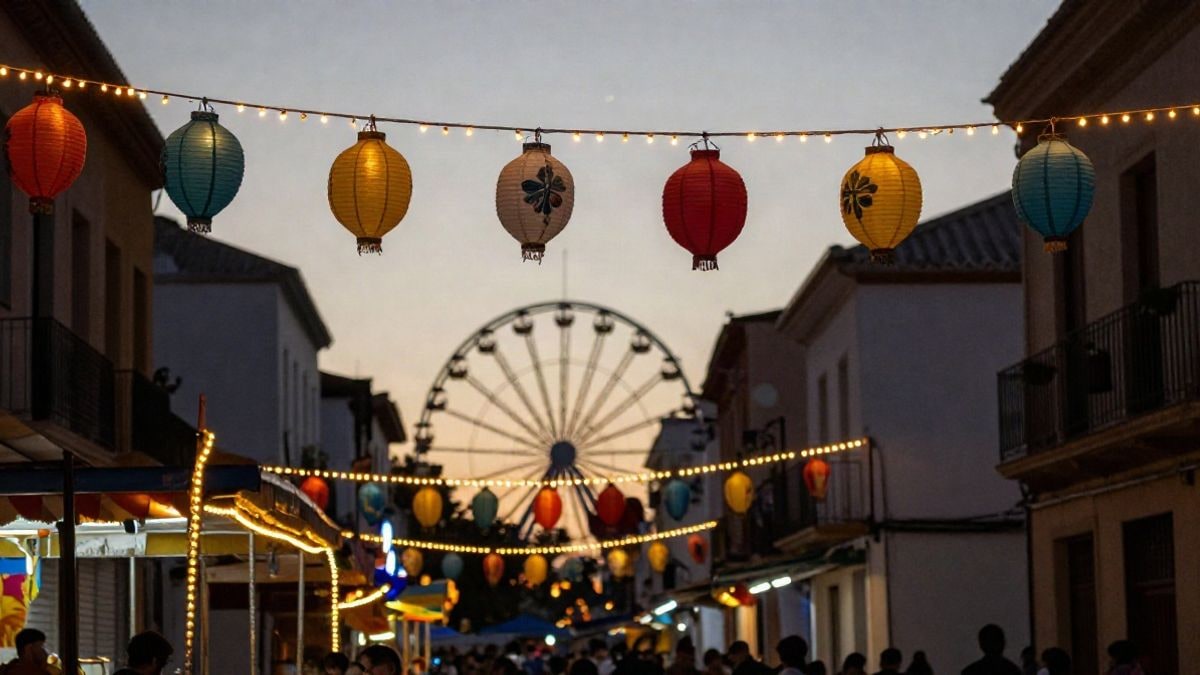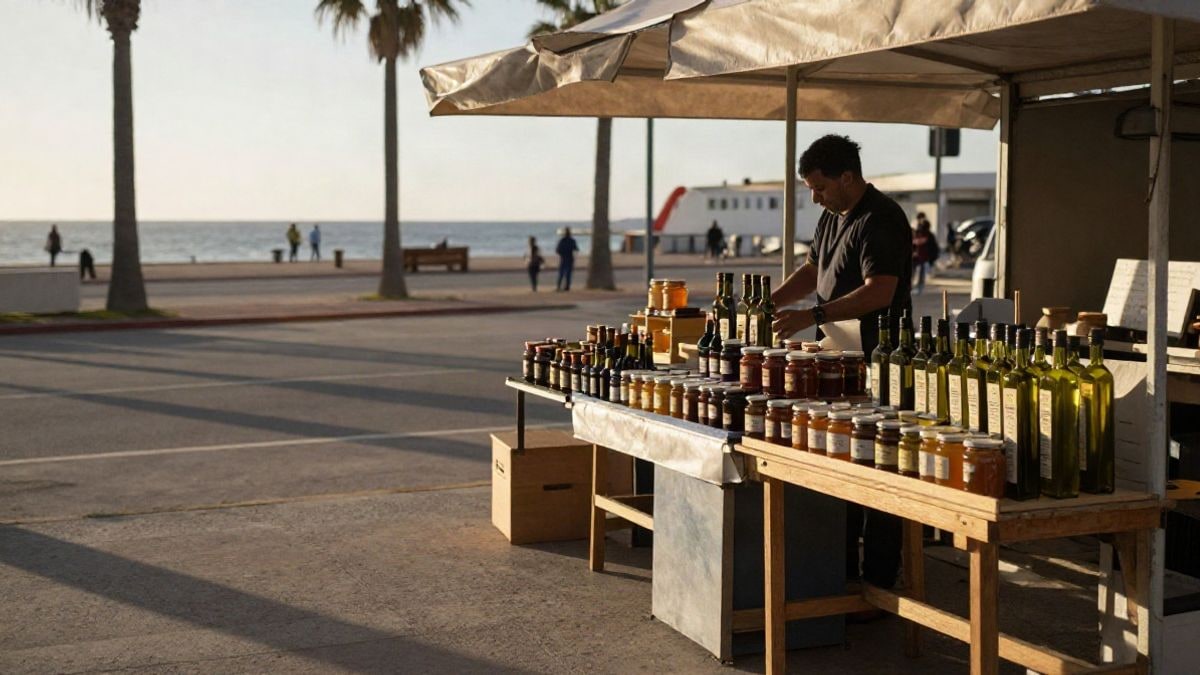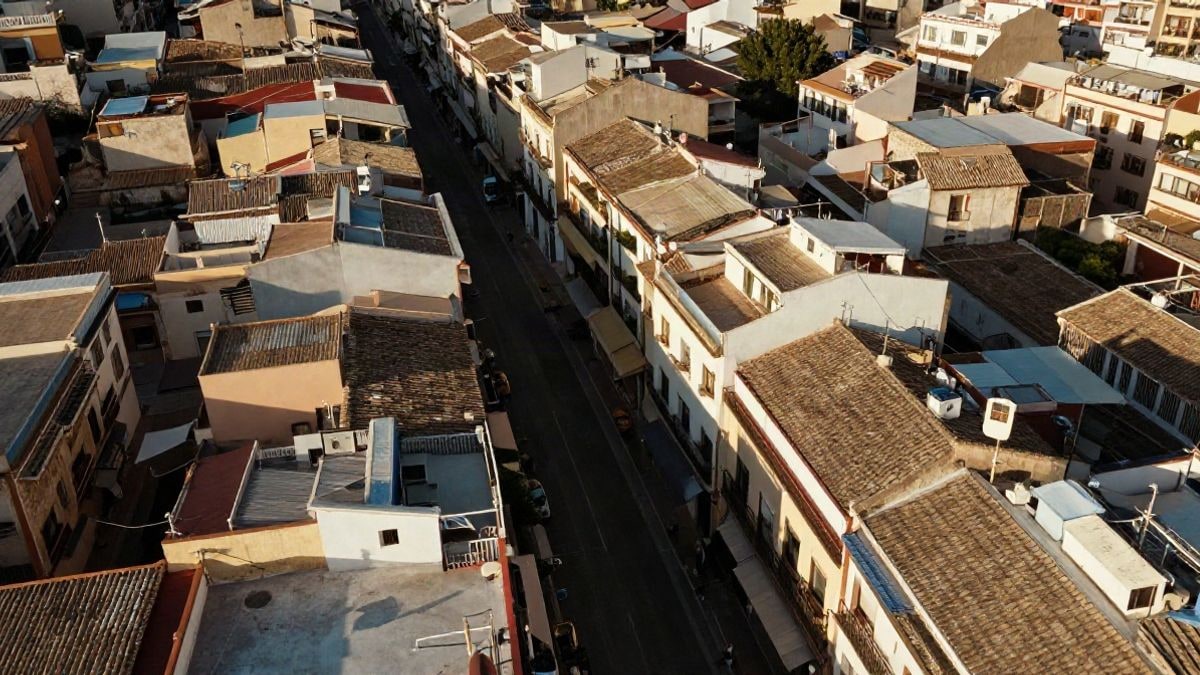
The full council of Torremolinos has definitively and unanimously approved the Regulatory Ordinance on Urban Aesthetic Conditions, which sets common criteria for facades, signage, awnings, and installations.
The Municipal Corporation of Torremolinos has unanimously and definitively approved the Regulatory Ordinance on Urban Aesthetic Conditions, along with the resolution of the objections presented. The regulation aims to improve the image of the city, reduce visual pollution, and establish common criteria for facades, businesses, signage, and awnings to integrate orderly into their environment.
The councillor for Urban Regeneration, Marina Vázquez, defended the ordinance in the council and stated that "Torremolinos is a tourist city, but above all, it is the city we live in. Therefore, caring for its aesthetics is not a superficial matter. It is a way of taking care of our neighbourhoods, improving our urban spaces, supporting commercial activity, and offering a more pleasant city for both those who visit us and those who reside here all year round."
Vázquez explained that the text is the result of technical and legal work from the Urban Regeneration Area, which has incorporated contributions from the public consultation period. Specifically, several citizen objections and those from the municipal group IU-Podemos were considered.
Among the accepted changes, the section on drying clothes has been clarified. The limitation on drying in view will only apply when the building or residence has a reasonable alternative: interior patios, ventilated laundry rooms, designated rooftops, or drying areas located below the railing line. "When those alternatives do not exist, drying clothes on the facade will be allowed," the councillor specified.
Articles 9 and 13.4, relating to the advertising of awnings, tables, and chairs, have also been modified to avoid duplications or contradictions with municipal ordinance number 82, which already regulates this matter. "The incorporated modifications are specific and do not alter the object, structure, or essential purpose of the ordinance. On the contrary, they improve its wording, ensure its proportionality, and facilitate its application," Vázquez added.
The ordinance regulates the composition of facades, which must present balanced proportions, visual continuity along the cornice line, and alignment of openings, avoiding breaks between adjacent buildings. The incorporation of asymmetrical extensions, disproportionate overhangs, or terrace enclosures with discordant carpentry is prohibited.
Regarding colour, facades must maintain a harmonious and coherent colour composition with the environment. Fluorescent, neon, metallic, or highly saturated colours are prohibited. Signage must integrate into the facade design, occupy only the width of the business opening, and be placed at the top, without invading floors or balconies or covering mouldings. Intermittent advertising, signage on moving LED screens, and automatic sounds are prohibited, although indirect lighting or soft backlighting with non-intermittent LED technology is allowed.
Awnings must be retractable, made of matte opaque fabric, and preferably in solid colours or with discreet stripes. Auxiliary installations such as air conditioning units, antennas, panels, boxes, wiring, or gutters must be concealed, embedded, or chromatically integrated into the facade. Air conditioning compressors will be located in interior patios or rooftops whenever possible; if they must be placed on the facade, they will be in discreet locations with decorative grilles or lattices.
The regulation also prohibits the accumulation of visible objects such as appliances, furniture, or belongings on balconies and terraces facing the public road that generate negative visual impact. The replacement or conservation of deteriorated elements will be mandatory.
"Today we conclude a process in which the citizens have been heard, objections have been studied, and those contributions that helped improve the text have been incorporated. It is not about imposing an aesthetic for whim. It is about establishing common rules to protect the image of Torremolinos, enhance our urban identity, and ensure that each intervention contributes to improving the overall city," concluded the councillor.

You may also like