Marbella City Council has presented to the entrepreneurs of San Pedro Alcántara the proposal to modify urban regulations, which includes increasing heights and allowing hotel use in the industrial zone.
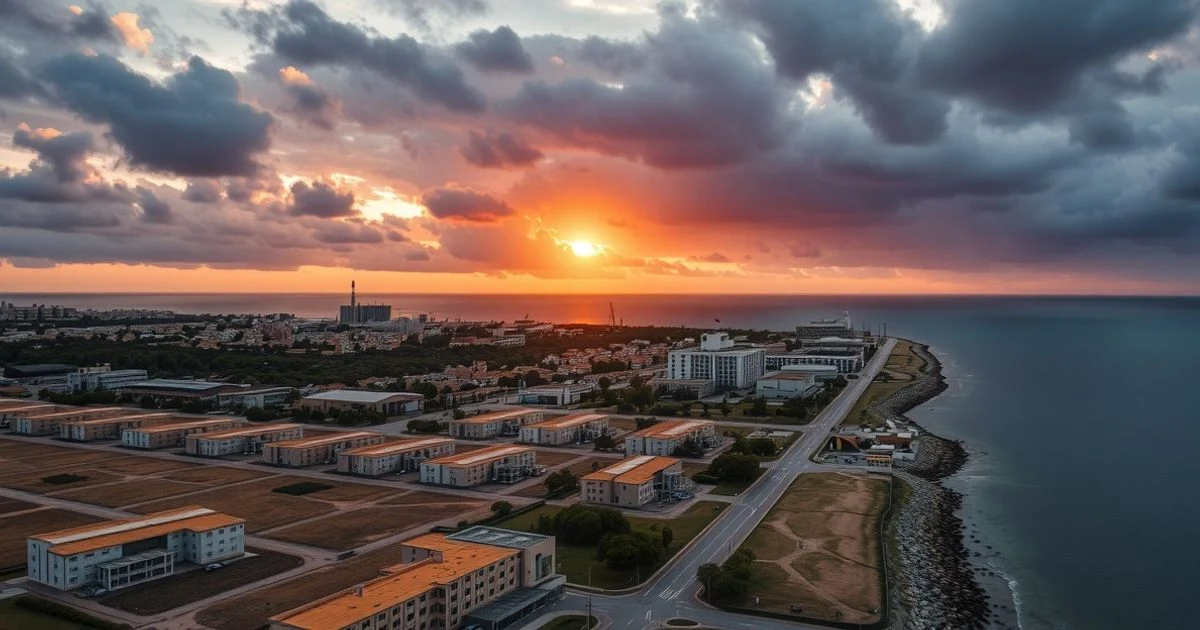
The industrial zone of San Pedro Alcántara will be able to gain height, host hotels, and make better use of its basements. This is outlined in the modification of urban regulations that Marbella City Council has begun to negotiate with the economic agents in the area.
The mayor, Ángeles Muñoz, along with the councillor for Urbanism, José Eduardo Díaz, and the deputy mayor of San Pedro Alcántara, Javier García, met with the board of Apymespa, the association of small and medium enterprises in the district, to detail the changes and gather suggestions.
Increased Heights and Hotel Uses in the Industrial Zone
The main focus of the reform is the industrial zone. As explained by Javier García, the allowed heights are being increased, buildings can be constructed on rooftops, hotel use is authorised, and basement utilisation is being enhanced. "These are measures that generate economic activity and energise all the activities taking place in the industrial zone," the councillor stated.
The limitation of land in that area makes this action particularly relevant, as it will allow companies to grow without needing to occupy more land. "They will be able to make better use of the available land," García noted.
New Developments for the Urban Centre of San Pedro
The modification also affects the urban centre of San Pedro Alcántara, specifically the C1 and C2 zones. The aim is to revitalise the centre, where there are vacant plots and unoccupied homes. The proposal includes building ground floor plus two heights and an attic in those areas where it is compatible with the planning.
During the meeting, entrepreneurs expressed their concerns about buildability and residential types. One of the issues raised was the minimum number of rooms required in certain developments. García acknowledged that "we are encountering many single-parent families, households formed by a single person," and defended the need to "find new ways of building that also allow us to repopulate the central areas of both Marbella and San Pedro Alcántara, while also facilitating access to housing."
The municipal official emphasised that the modification is in an initial phase of gathering suggestions. After the initial approval, a public exhibition period will open in which citizens and entrepreneurs can present objections. "This modification will allow for actions to be expedited to boost economic activity and also favour habitability while the future urban planning of the municipality continues to be processed," García concluded.
For the residents of San Pedro Alcántara, these changes will mean a transformation of the urban landscape and new business and housing opportunities in the centre. The processing is still in the initial phase, but the City Council plans to expedite the timelines so that the new regulations can be applied as soon as possible.

You may also like