The Marbella City Council and Apymespa have agreed on modifications to the planning of the San Pedro Alcántara industrial estate, which include increased heights, hotel use, and greater utilisation of basements. The mayor, Ángeles Muñoz, is leading a series of meetings with groups to gather suggestions.
The Marbella City Council and the Association of Small and Medium Enterprises of San Pedro Alcántara (Apymespa) reached an agreement on Wednesday to modify the urban regulations of the San Pedro Alcántara industrial estate. The proposal, aimed at revitalising the area, includes increasing heights, the possibility of building on rooftops, allowing hotel use, and greater utilisation of basements. This was announced by the mayor, Ángeles Muñoz, following the meeting held at the Town Hall.
The meeting, part of a series of contacts with various groups, included the participation of the councillor for Urbanism, José Eduardo Díaz, the deputy mayor of San Pedro Alcántara, Javier García, and members of the board of directors of Apymespa, as well as municipal technicians. According to García, the aim is to "inform about the entire process being carried out to adapt the regulations to the new reality we currently have on the Costa del Sol and in our locality."
Increased heights and hotel use for the estate
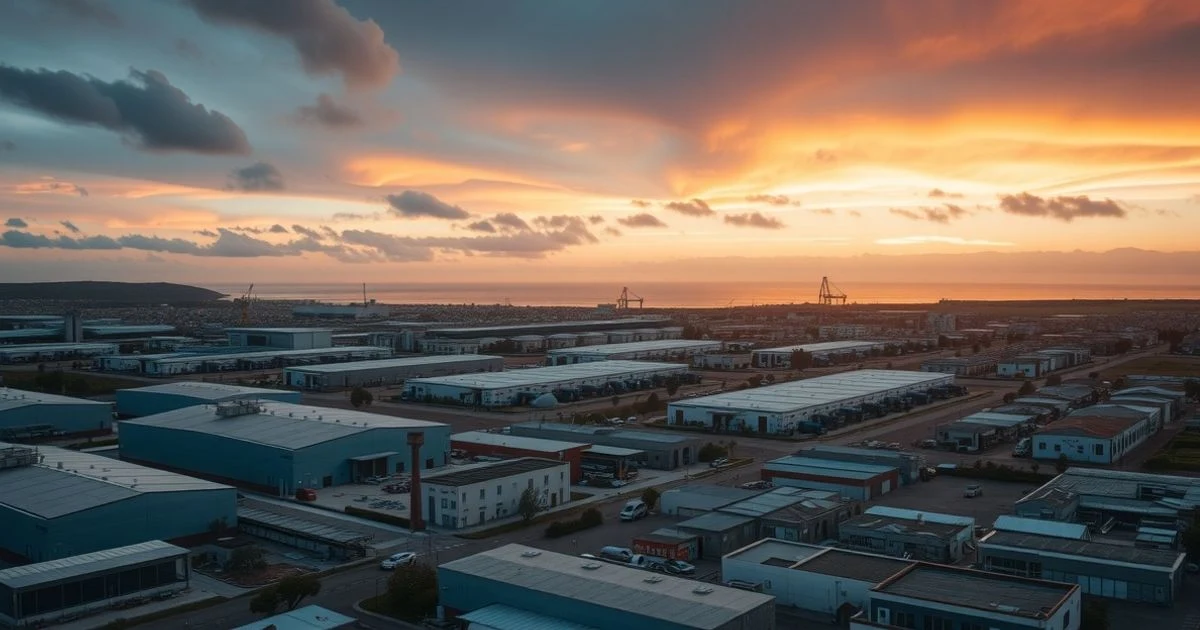
One of the most significant changes affects the San Pedro Alcántara industrial estate. García detailed that "heights are being increased, buildings can be constructed on rooftops, hotel use will be allowed, and there will also be greater utilisation of basements." These measures, according to the councillor, "generate economic activity and revitalise all activities taking place in the estate." He also emphasised that "these actions are particularly relevant due to the limited space we have in that area, as they will facilitate the growth of businesses by making better use of the available land."
For the local entrepreneurs, this news is a relief. The estate, with decades of history, has faced issues of lack of space and outdated regulations that hindered investment. Now, with the possibility of adding floors and accommodating hotels, the door is opened to new businesses and the modernisation of existing ones. A change that, according to municipal sources, could translate into more jobs and commercial activity in the short term.
The urban centre is also being renewed
The modification is not limited to the estate. The urban centre of San Pedro Alcántara, especially areas C1 and C2, will also see changes. García explained that "many plots have become vacant and there are also unoccupied homes, so it is important to revitalise the town centre." The proposal includes the possibility of developing buildings with a ground floor plus two heights and an attic in those areas where it is compatible with the planning.
During the meeting, representatives of Apymespa presented proposals related to buildability and residential types. One of the issues raised, according to García, is the minimum number of rooms required in certain developments. "We are encountering many single-parent families, households formed by a single person," he pointed out, advocating the need to "find new ways of building that also allow us to repopulate the town centre of both Marbella and San Pedro Alcántara, while also facilitating access to housing."
For the residents of San Pedro, this means that in the coming years they could see the centre come alive with new homes adapted to smaller households, and with more shops on the ground floors. An opportunity for the area to regain life beyond office hours.
Next steps: suggestions and public exposure
The modification of the urban regulations is in a "first phase," García clarified. "Right now, suggestions are being accepted," he indicated, adding that subsequently, after the initial approval, "there will be a public exposure period during which citizens and entrepreneurs can formally present all the claims or indications they deem appropriate."
The councillor reminded that these regulations must be in accordance with the LISTA and its regulations, adapting to the current regional urban legislation. "This modification will allow for advancing actions to boost economic activity and also enhance habitability while the processing continues," he concluded.
Those interested in knowing more details can consult the documentation at the Marbella Town Hall or at the Apymespa headquarters. The deadline for submitting suggestions is open until the initial approval of the document, expected in the coming months.
You may also like