The Fuengirola City Council has executed 99.3% of Axis 3 of the Tourism Sustainability Plan, focused on digital transition. The investment exceeds 762,000 euros and has allowed for the incorporation of artificial intelligence, Big Data, and virtual reality in the Tourist Office.
The Councillor for Innovation in Fuengirola, Isabel González, presented this Wednesday the actions of the Axis 3 of the Tourism Sustainability Plan in Destination, dedicated to digital transition. The axis has had an investment of over 762,000 euros, of which 757,000 has been executed, representing a compliance rate of 99.3%.
The complete plan, financed 100% with European Funds under the Recovery, Transformation and Resilience Plan, has a budget of 2,498,580 euros divided into four axes. The overall execution reaches 2,479,678.28 euros, which is 99.24% of the granted subsidy.
“From the Government team, our line of work is always to use technologies to facilitate the use and management of services for citizens. The well-being of our neighbours is the axis of all the projects being carried out,” González noted.
One of the main measures has been the technological upgrade of the Tourist Office, which now integrates a public portal and a management system with a text and voice intelligent assistant, itinerary planning, surveys, and a CRM. This tool allows for the collection and analysis of visitors' interests and, according to the councillor, supports the local business fabric by facilitating connections with hotels, restaurants, and shops.
“We have moved from merely informing visitors to managing information to offer the best of our city,” she stated.
The project has been recognised with a Digital Tourist 2026 award, presented during the congress held in Benidorm on May 7 and 8.
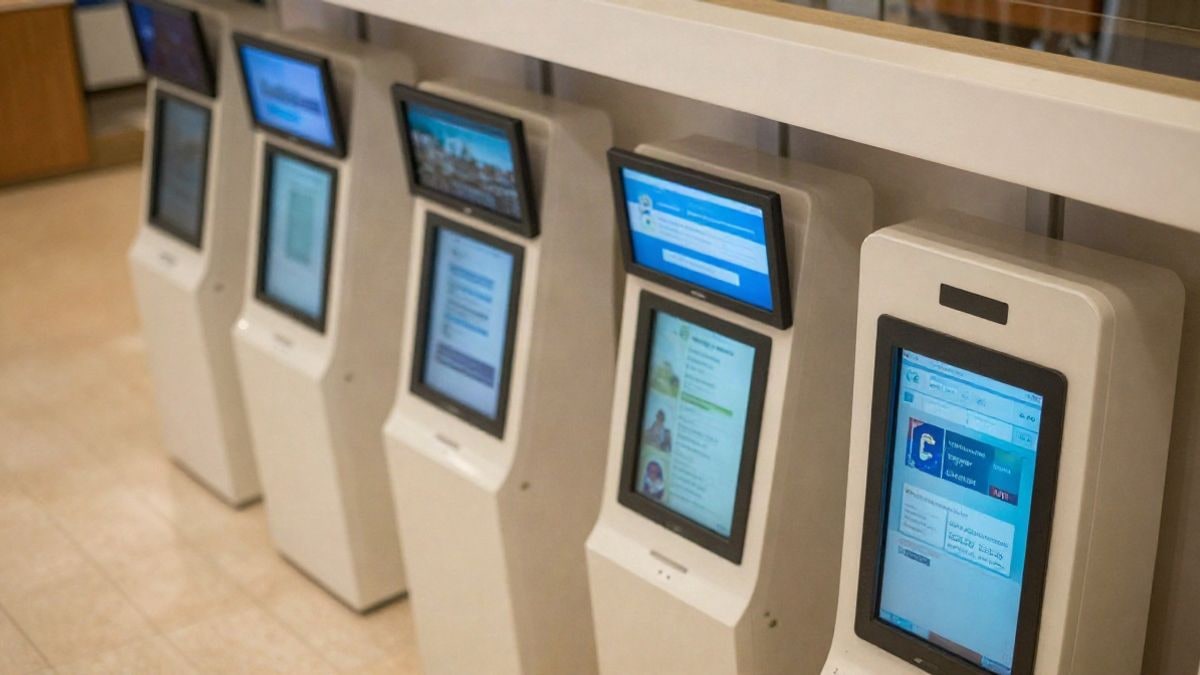
The digital transformation has also led to the installation of new supports at various points in the city, such as tactile totems and digital screens. These devices provide information in 95 languages and allow for consultations outside of office hours.
“Now tourist information can be available 24 hours a day, from anywhere and through different channels,” the councillor highlighted.
Additionally, there is the new tourist portal www.somosfuengirola.es, available in five languages and designed with digital accessibility criteria.
The third project of the axis is an immersive virtual reality experience and 3D modelling of the Castillo Sohail. The tool allows users to explore the historical evolution of the monument through chapters, three-dimensional scenarios, and interactive elements. The City Council has acquired five Meta Quest 3S glasses and has trained municipal staff for their use.
“Because technology does not replace our heritage. Technology helps us tell it better,” Isabel González emphasised.
The councillor framed all these actions within a single strategy: to advance towards a smarter, more accessible, connected, and competitive Fuengirola. “We are talking about artificial intelligence, Big Data, virtual reality, information systems, tourist analytics, and new service channels. But behind all this technology, there is something much simpler: to better showcase what our city offers as a destination and to make better decisions,” she indicated.
“Digitalisation is not simply about implementing technology. Digitalisation is using technology to do things better,” she concluded.

You may also like