Torrot, the Spanish bicycle manufacturer famous for its appearance in the TV series 'Verano Azul', has filed for insolvency. The company, founded in 1948, could disappear after nearly 80 years.
The manufacturer of the iconic bicycles ridden by the characters of Verano Azul, Torrot, has entered insolvency proceedings, putting an end to a symbol of Spanish childhood. The company, founded in Vitoria in 1948 by Luis Iriondo, filed for bankruptcy protection after years of financial losses and failed restructuring attempts. The news has sparked a wave of nostalgia among generations who grew up watching the series and dreaming of owning the Torrot Cross MX.
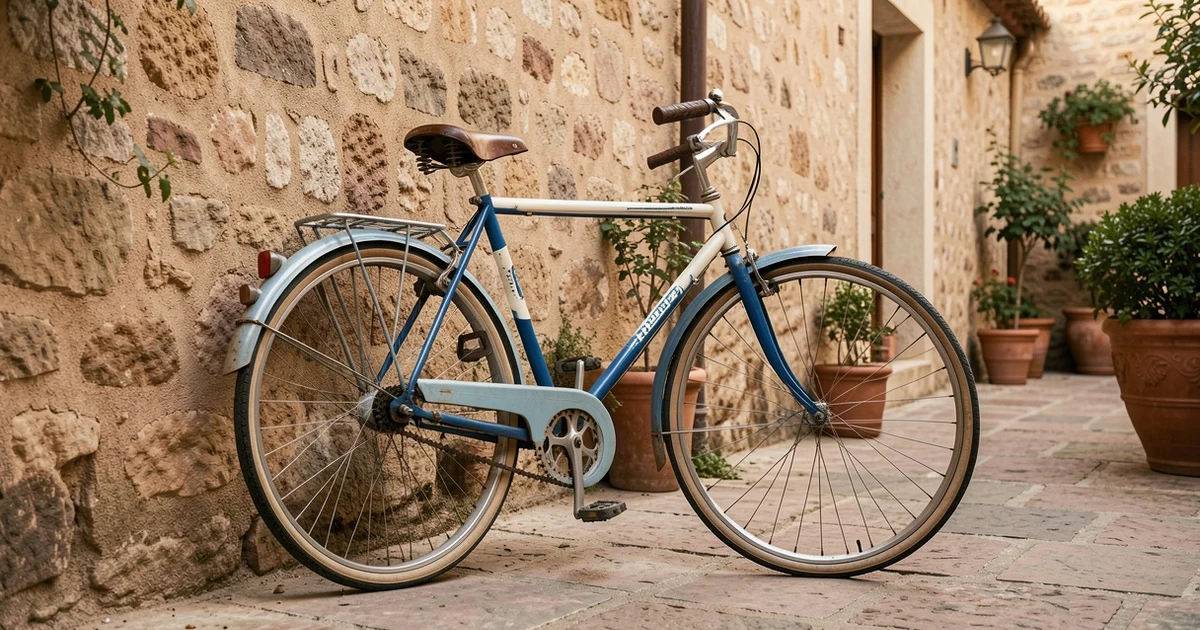
Torrot began as a bicycle manufacturer before expanding into mopeds and motorcycles, reaching peak popularity in the 1970s and 1980s. The Torrot Cross MX became a household name after appearing in Verano Azul, a landmark Spanish television series. The bike was often considered a precursor to modern mountain bikes, symbolizing freedom and adventure for Spanish youth. At its height, Torrot produced thousands of units annually and employed hundreds of workers.
However, the brand nearly disappeared in the 1990s due to competition and changing market trends. It was revived in 2011 with a focus on electric mobility, launching electric bikes and scooters. Despite initial optimism, the revival struggled to gain traction. Rising costs, supply chain disruptions, and strong competition from Asian manufacturers eroded margins. In 2025, Torrot reported losses of €1.2 million, and its parent company, Movilidad Eléctrica SL, saw its debt climb to over €8 million.
Efforts to refinance the debt failed, and on June 29, 2026, the company formally requested voluntary insolvency proceedings in a Vitoria commercial court. The court is expected to appoint an administrator within weeks. According to analysts, the chances of a full recovery are slim. “Torrot’s brand value remains high, but its business model never adapted to the scale needed to compete globally,” said Carlos Martínez, a professor of industrial economics at the University of Deusto. “Without a major investor, liquidation is likely.”
The impact extends beyond the company’s 45 employees. Torrot’s legacy is deeply woven into Spanish pop culture. The Cross MX model remains a collector’s item, with restored units selling for up to €3,000 on specialist websites. Museums such as the Museo de la Ciencia y la Tecnología in Alcobendas have included Torrot bikes in exhibits on industrial heritage. “It’s not just a bike; it’s a piece of our collective memory,” said Ana Torres, a curator at the museum.
The insolvency has also reignited debate about the viability of small Spanish manufacturing brands in a globalized market. Torrot’s case is similar to that of other iconic Spanish names like BH Bikes or Orbea, which either pivoted to high-end markets or faced decline. Unlike those brands, Torrot never fully capitalized on its retro appeal.
For now, production has ceased, and the future of the Torrot name is uncertain. Spare parts and existing stock are being sold through remaining dealers. Creditors, including suppliers and banks, are expected to recover only a fraction of what they are owed. The company’s intellectual property may be sold off, potentially allowing a future revival under new ownership.
In Nerja, where much of Verano Azul was filmed, locals remember the bikes as part of the scenery. “Every summer, tourists ask about them,” said shopkeeper Miguel Rojas. “It’s sad to see them go.” The Torrot Cross MX will likely remain a cherished memento of a simpler time, even as the company that made them fades into history.

You may also like