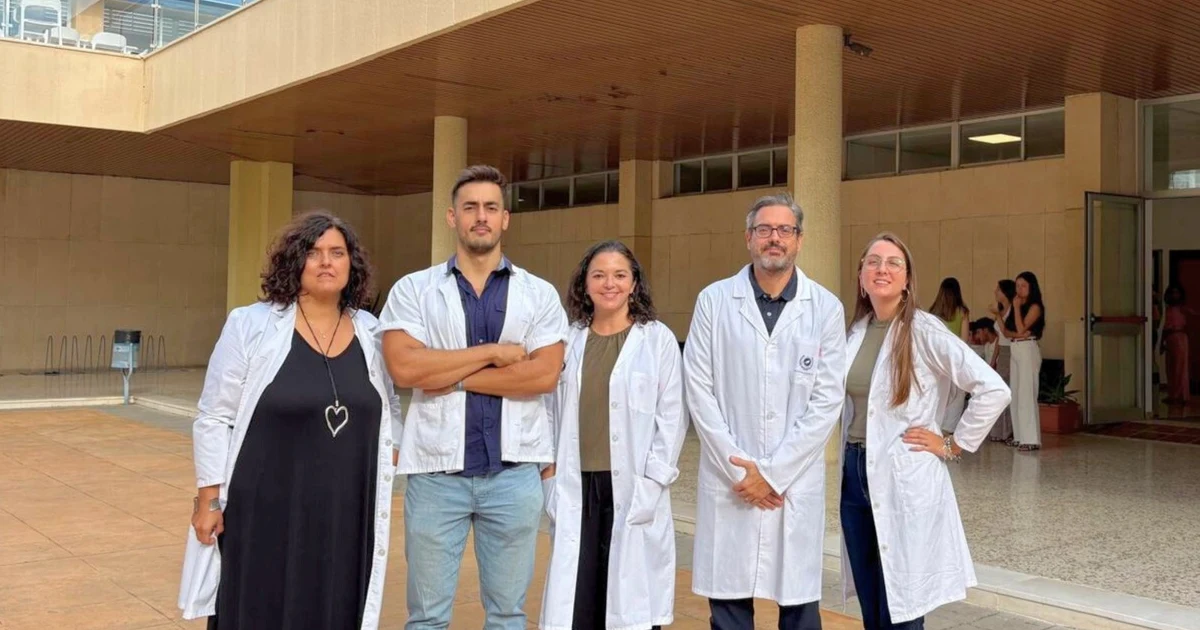
A research team in Málaga has discovered new mechanisms regarding the PAPP-A2 protein, which enhances bone growth and remodelling, taking into account sex differences. This study opens up possibilities for more personalised treatments for bone growth disorders.
Study Results
PAPP-A2 acts by releasing the growth factor IGF1 from the proteins that keep it bound, facilitating its action in bone tissues. Researchers from the Biomedical Research Institute of Málaga, along with the University of Málaga and other hospitals and research centres, have published their findings in the journal Bone & Joint Research.
The study, led by María del Mar Fernández-Arjona and with Juan Suárez as the lead author, used mice lacking the Pappa2 gene. These animals showed less growth, and they were administered different treatments, including growth hormones, IGF1, and PAPP-A2. The treatments showed different results, but all improved the bone growth of the mice.
Juan Suárez explained that PAPP-A2 not only stimulates overall growth but also recovers altered mechanisms in situations of low IGF1 availability, and that the responses differ between males and females.
Importance of the Endocannabinoid System
One of the most relevant findings is the link between PAPP-A2 and the endocannabinoid system, which is involved in the regulation of bone formation and resorption. The absence of PAPP-A2 was associated with increased expression of cannabinoid receptors, especially in females. This suggests that PAPP-A2 could enhance bone growth by increasing the local availability of IGF1.
The deficiency of this protein is related to a form of short stature known as Dauber-Argente, which involves delayed postnatal growth and other issues. The results of this study position recombinant PAPP-A2 as a potential therapeutic strategy to restore IGF1 balance in tissues.
The authors caution that the results are preliminary and have been obtained in an animal model. Further research will be required to determine the safety and efficacy of this intervention in humans. Additionally, a patent has been requested for this new therapeutic application, highlighting its innovative potential.

You may also like