MARBELLA, 16 SEPTEMBER 2026
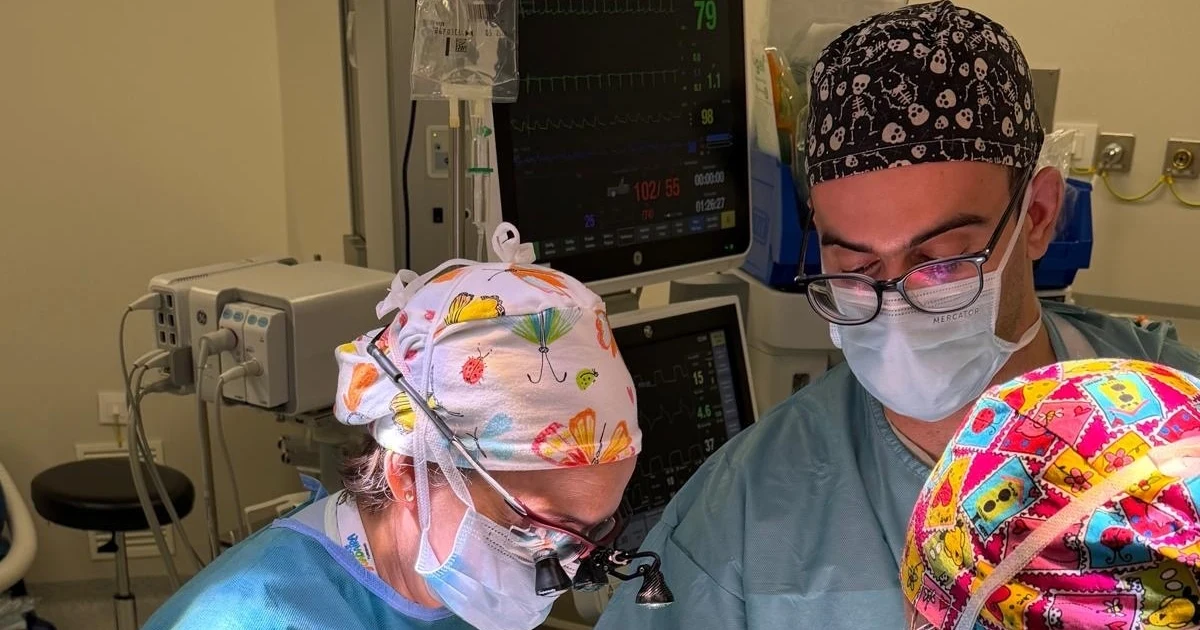
Costa del Sol University Hospital has implemented an innovative new technique in its thyroid surgery programme. This is the PTeye autofluorescence probe, designed to facilitate the identification and preservation of the parathyroid glands during surgical interventions.
Improvement in Patient Safety
The incorporation of this technology aims to reduce the risk of postoperative hypocalcemia, a complication that can arise in high-risk operations. The parathyroid glands play a crucial role in regulating calcium levels in the body, and accidental injury during surgery can lead to significant complications for the patient.
How the PTeye Technology Works
The PTeye technology works through autofluorescence, allowing the surgical team to differentiate parathyroid tissue from other adjacent tissues in real time. By bringing the probe close to the tissue, a laser signal is emitted that activates a response in the gland, which translates into an acoustic signal indicating its presence.
So far, the General Surgery and Digestive System service at HUCS has performed two complex interventions using this technique, achieving satisfactory results. In both surgeries, the parathyroid glands were preserved, and the patients were discharged within 24 hours without significant complications.
The endocrine surgery specialist, Cristina Martínez Santos, highlighted the importance of this innovation, stating that its adoption will improve the quality of surgeries and, consequently, the quality of life for patients.
With this new addition, Costa del Sol University Hospital positions itself as a leader in thyroid surgery, reinforcing its commitment to excellence in care and patient safety.

You may also like