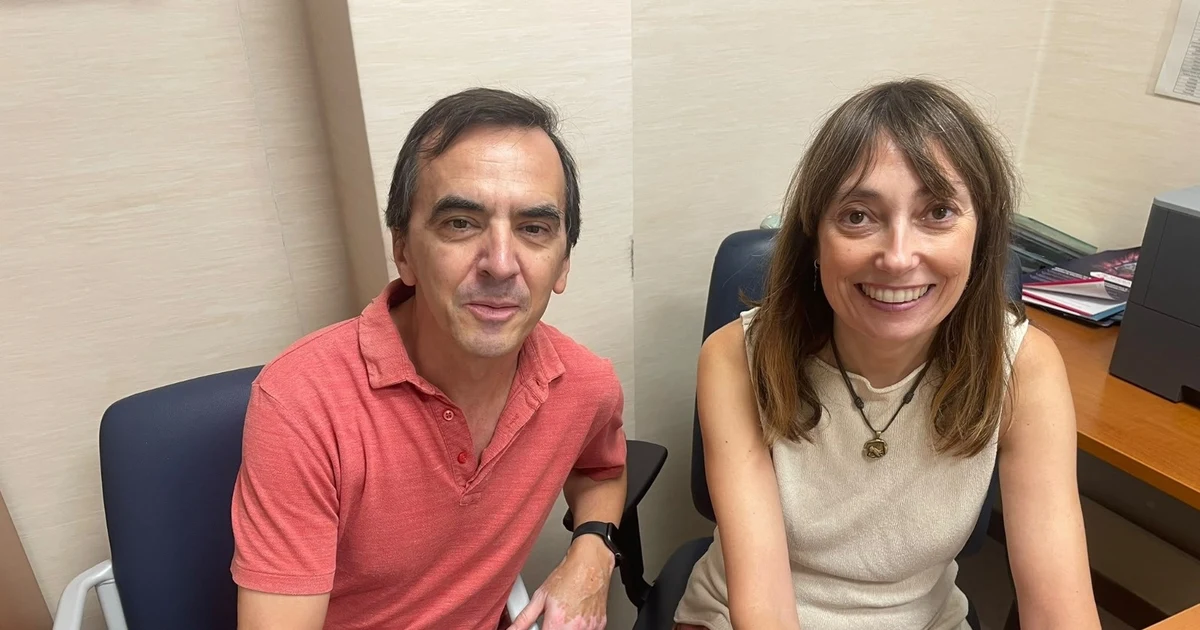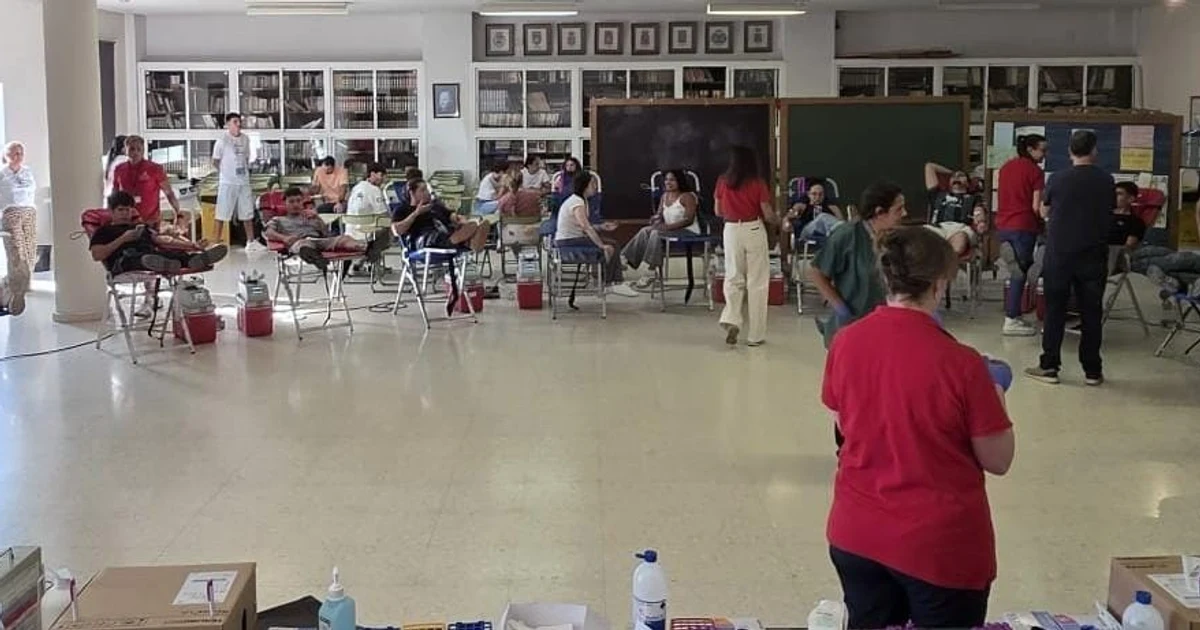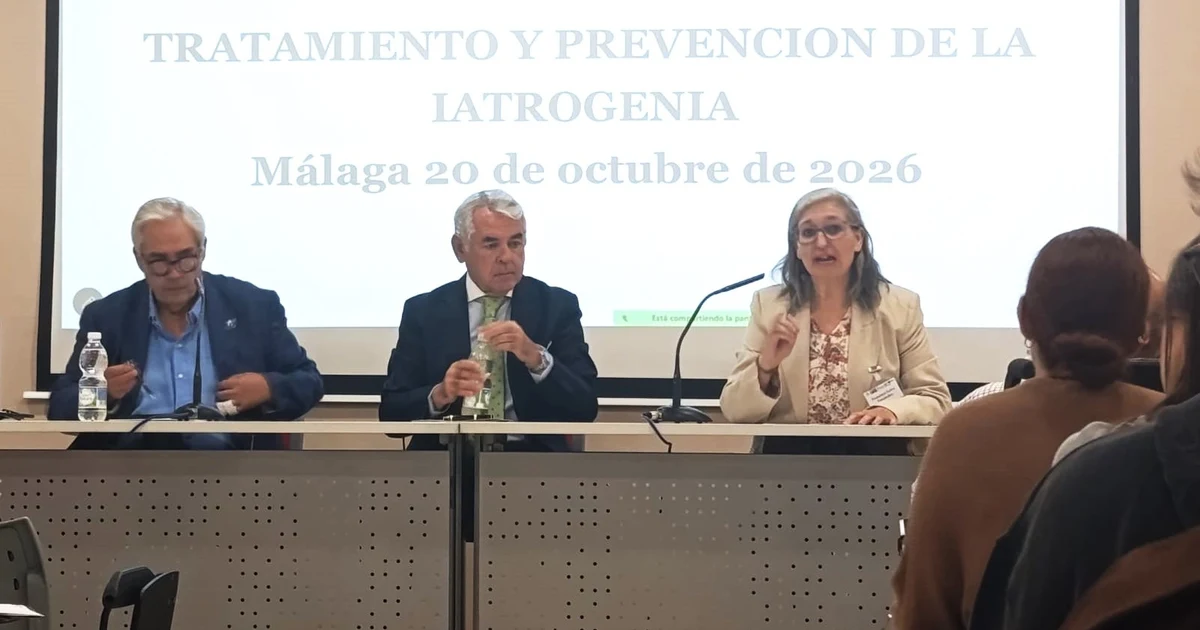
The Málaga Guadalhorce Health District has organised co-creation workshops focused on the prevention of iatrogenesis and treatment adherence, in its fourth edition. The main objective of this meeting is to reduce the risks of iatrogenesis in older patients, as well as to promote proper adherence to prescribed treatments.
Objectives and Organisation of the Event
The activity is supported by the Multiprofessional Teaching Unit and the Citizen Participation area of the District. These workshops are part of the European STOP-IATRO project, which is co-financed by FEDER funds under the Interreg Sudoe programme. This project involves six organisations from Spain, France, and Portugal, aiming to optimise treatments and prevent adverse effects in patients.
During the workshops, both patients and health professionals were given a voice. Experiences and first-person accounts of coping with various chronic diseases were shared, allowing for diverse perspectives on the same issue. The coordinator of the activity, Francisca Leiva, opened the event, alongside Enrique Vargas, the managing director of the District, and Pedro Navarro, president of the Medical Association.
Highlighted Activities and Conclusions
The first presentation was given by Clinical Psychologist Guadalupe Cano, who spoke on 'The Invisible Thread. From treating an illness to accompanying a life'. Subsequently, a round table was held where representatives from associations such as ALCER, ALERMA, and AFIBROMA shared personal stories of patients with renal, respiratory, and chronic pain diseases.
Additionally, micro-meetings between patients and professionals were conducted in a setting different from the healthcare environment, allowing for more open dialogue. These meetings facilitated the expression of concerns that are generally not discussed in medical consultations. A debate table was also held to discuss knowledge that should be shared between professionals and patients.
The end of the workshops was dedicated to the presentation and discussion of the products generated in the working groups, which will form part of the contributions of the Spanish research group in the STOP-IATRO project.
You may also like