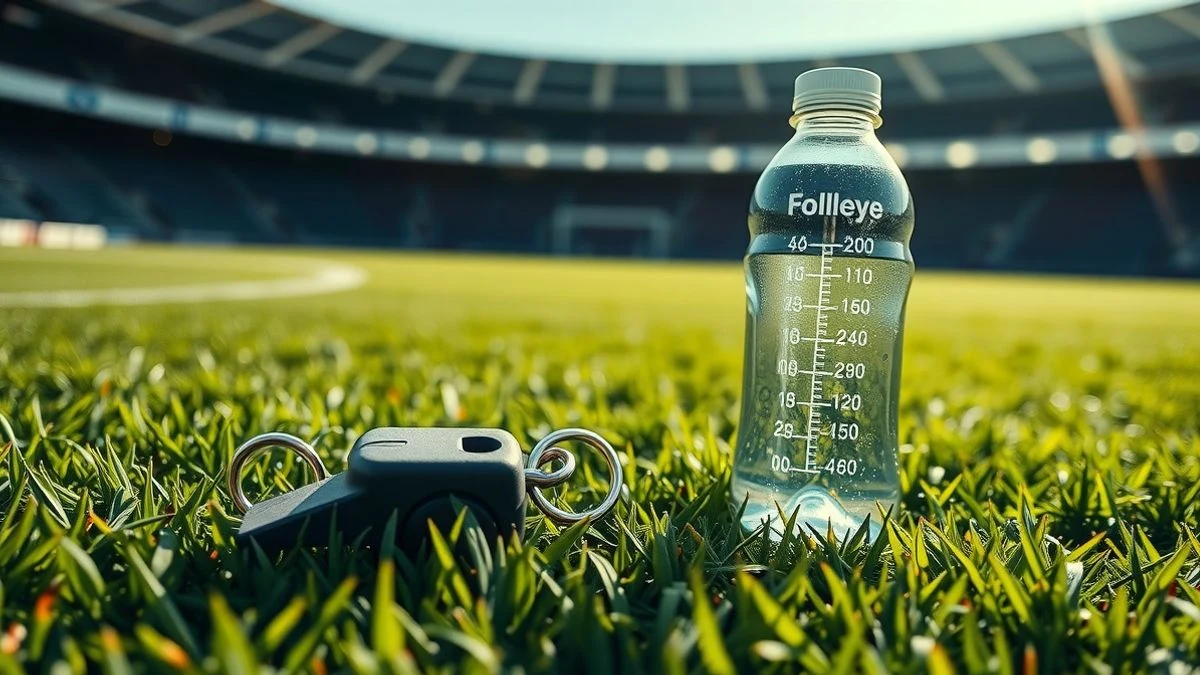
The football World Cup will feature a mandatory hydration break in each half, a measure that FIFA has officially implemented to protect players' health against high temperatures.
FIFA has announced the introduction of the 'cooling break' or mandatory hydration break in all World Cup matches. This measure, which has already been tested in previous tournaments, now becomes a fixed rule to ensure the safety of footballers in extreme heat conditions.
What does the hydration break entail?
The referee will stop the game at the 22nd minute of each half for approximately three minutes. Players will be able to drink water, receive instructions from the coach, and cool down. FIFA argues that this break is necessary to prevent heat strokes and dehydration, especially in host countries with very warm climates, such as Qatar in 2022 or Morocco in 2030.
The decision has sparked debate. While sports doctors applaud the initiative, some fans and analysts criticise that the break disrupts the flow of the game. However, FIFA defends that the health of footballers is paramount.
“Water is the source of life, and players need those three minutes to recover,” the international body states.
Impact on teams from Málaga
The measure will also affect clubs in the province of Málaga in international competitions. Málaga CF, which aims to return to the elite, could benefit from this rule if it qualifies for tournaments such as the Champions League or the Europa League. The players of the white-and-blue team, accustomed to the warm climate of the Costa del Sol, could have an advantage over rivals from cooler regions.
Additionally, teams like Marbella FC or Atlético Malagueño could also be affected if they participate in international friendly or pre-season competitions in warm countries.
Break for players or for advertising?
Not all feedback is positive. Some critics point out that the hydration break could be exploited by television networks to insert high-cost advertisements. FIFA has neither confirmed nor denied this possibility, but sources close to the organisation admit that “advertising slots during matches are an important source of income.”
In any case, the measure is now official and will be applied in all World Cups from now on. Málaga fans will have to get used to these breaks, which could extend the duration of matches by a few minutes.
FIFA recommends that spectators also stay hydrated during breaks, especially if they are watching the matches from home or in outdoor bars during the summer.

You may also like