A seminar by the UMA in Marbella analyses how the figure of Picasso has become a commercial and tourist icon, with criticism of his 'museification' and use as a brand.
The Málaga artist Pablo Picasso not only revolutionised 20th-century art but is now studied more in marketing schools than in art schools. This was stated on Wednesday by the artist and essayist Rogelio López during the seminar "Picasso Superstar: re-readings and critiques from the present", as part of the Summer Courses of the University of Málaga at the Marbella venue.
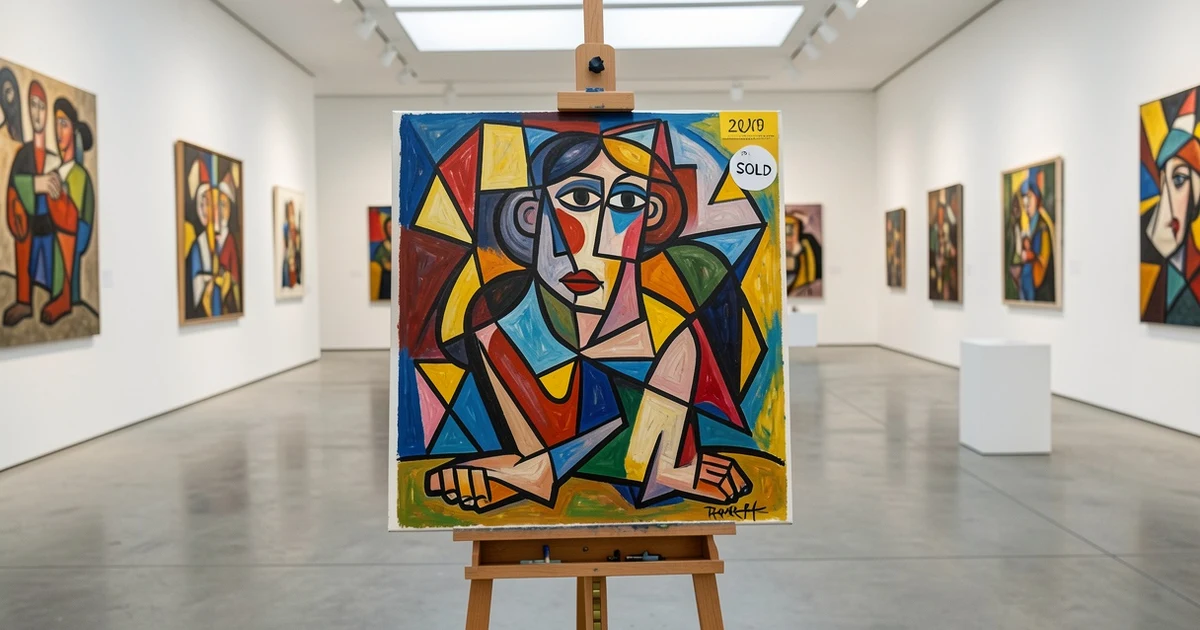
López, one of the speakers, asserted that the Picasso phenomenon is "undoubtedly a marketing phenomenon". For the expert, the consolidation of the so-called "Picasso brand" is due both to the quality of his work and to the development of the art market, museums, and the media.
"The Picasso brand is a logo applicable to any merchandise in circulation, resulting in a truly extraordinary phenomenon that exponentially multiplies its symbolic capital," López pointed out.
The specialist recalled that Picasso was the first artist to transcend specialised publications to appear in general magazines and even in gossip press. "His intimacy, the houses he lived in, or his way of life were discussed. Never before had the figure of an artist been exploited in the media in such a way," he explained.
The competition for the Picasso legacy
López also addressed how different cities compete to assert their role in the painter's biography. Málaga presents itself as the city where he was born; A Coruña, where he became an artist; Barcelona, where he discovered himself; Paris claims a leading role, and even Gósol (Lérida) asserts itself as the place where the genius was born.
This competition, according to the expert, has contributed to building a symbolic narrative that often forgets the complexity of the artist. For the residents of the Costa del Sol, the debate has a particular resonance: the "Picassisation" of Málaga has transformed the city, with museums, routes, and products that turn the artist into a tourist attraction.
Against cancel culture and museification
The day also featured an intervention by Fernando Castro, associate professor of Aesthetics and Theory of the Arts at the Autonomous University of Madrid. Castro advocated for a historical approach to Picasso, free from clichés and simplifications. He defended the need to study great creators within their historical context and criticised the cancel culture applied to historical figures.
"All authors, from philosophers to novelists, musicians, poets, or politicians, must be analysed from a contextual and historical perspective," Castro explained.
For the professor, renouncing the study of authors due to questionable aspects of their biography would lead to "the most absolute ignorance". He also warned about the museification of Picasso, which has fully integrated him into the global artistic and economic system. "Picasso is absolutely museified. He is part of the global economic system," he stated.
Castro expressed concern about the reduction of the artist to a commercial or tourist symbol. "The name Picasso is used for anything," he lamented, referring to the use of the brand on products, establishments, and promotional campaigns. In Marbella, where luxury tourism coexists with culture, this reflection invites one to question whether art ends up being devoured by business.
The seminar, which continues this week, aims to offer a critical perspective on the legacy of the Málaga artist and his influence on contemporary culture. For attendees, the conclusion is clear: Picasso is much more than a genius; he is a global phenomenon that deserves to be analysed in all its light and shadows. And perhaps next time they see a mug with his signature, they might think twice before buying it.

You may also like