A nurse and an Accem coordinator from Malaga recount the healthcare and humanitarian saturation in the autonomous city following the mass arrival of migrants.
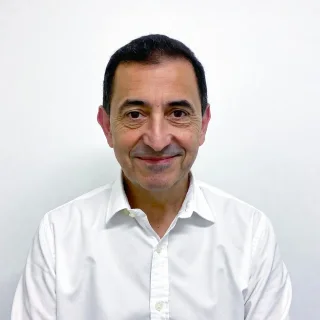
Alejandro Artero, a 47-year-old nurse raised in the Malaga district of Ciudad Jardín, has been working since 2022 at the Ceuta hospital and in 061. There, he is experiencing what he describes as "the largest emergency" related to migration flows in Spain: "The situation is very tough, especially as the days go by and we continue to feel overwhelmed."
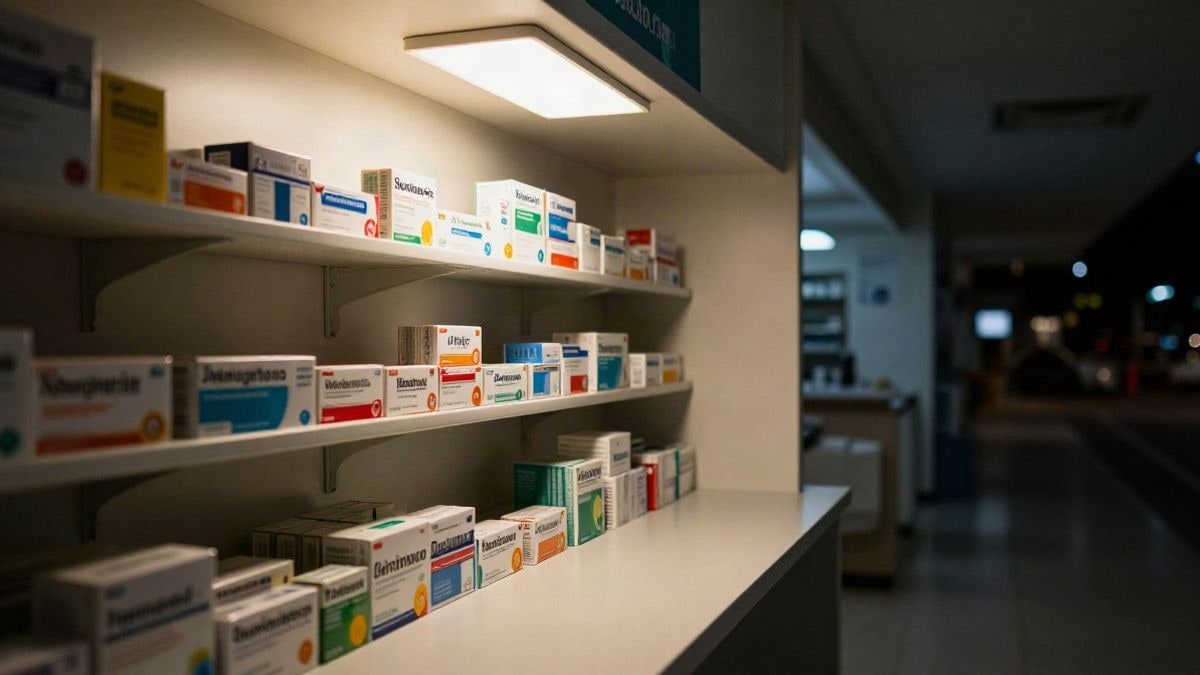
Healthcare professionals have established 24-hour shifts that have been maintained for weeks, as the demand for assistance has doubled. "The first few days were total chaos due to the number of traumas, wounds, people showing signs of drowning and hypothermia," Artero recounts.
A few kilometres away, at the assistance facility of Loma Margarita, Pedro De Santiago, a 35-year-old press coordinator and spokesperson for the NGO Accem in Ceuta, works. His team assists over 1,100 people of sub-Saharan origin from countries such as Sudan, Eritrea, Mali, Niger, or Chad, mostly with asylum profiles. "Our job is to care for these people with humanity, ensuring dignified treatment and trying to uphold human rights in general," he states.
Artero, with experience in disasters such as Ebola in Sierra Leone, the Gran Canaria fire in 2007, Covid-19, or the explosion of a tank in Conakry, Guinea in 2023, asserts that the current situation surpasses all he has known. It particularly pains him to see small children alone: "We estimate that between 3,000 and 4,000 minors must have entered, but I'm not just talking about teenagers... I'm even talking about babies, about two-year-old children alone; that is something horrific." He recalls the case of a woman who jumped into the water about to give birth, arrived soaked at the hospital, and gave birth to twins.
At Loma Margarita, Accem has transitioned from providing a covered space with individual beds to guaranteeing three meals a day, hygiene areas with taps, hygiene kits, and charging points for mobile phones. "A vital necessity so they can inform their families that they are alive," explains De Santiago. In terms of healthcare, they coordinate with Red Cross and Doctors of the World to monitor injuries, gastroenteritis, or flu-like processes, referring only serious cases to the hospital.
The language barrier and family desperation also mark daily life. Artero recounts the search for two sisters aged 10 and 12 who were trying to locate their 8-year-old sister, who is diabetic: "The police were overwhelmed. After more than seven hours of uncertainty, the little girl appeared at the police station, and the sisters ran to the hospital to reunite."
De Santiago highlights that, in collaboration with the National Police, a group of people goes through the triage and registration process daily, "the first step to applying for international protection." Just five days after opening the facility, Accem has started workshops on basic Spanish: "The language is a key lever to promote their autonomy."
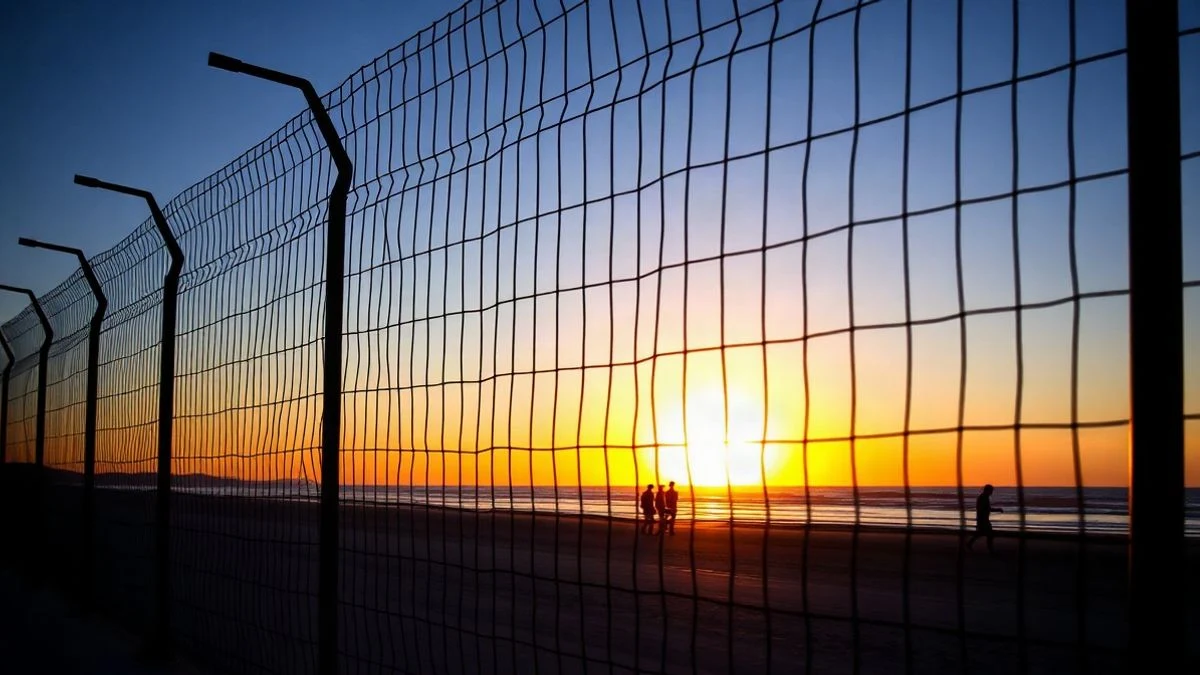
Both Malagueños agree on the historical magnitude of the challenge. Artero warns that Ceuta faces "a serious public health and security problem." De Santiago concludes: "Accem has been in the Canaries, Melilla, or managing the arrival of refugees from Ukraine and Afghanistan, but this is the largest emergency of this kind that Spain has experienced. It has been extremely hard work, but these people are now in a situation infinitely more dignified and protected than when they were on the streets or beaches."
You may also like