In Málaga, the Minister of Social Services, Families and Equality, Loles López, emphasised the value of dialogue and joint work with the Gypsy community to promote their inclusion during the closing of the plenary session of the Andalusian Council of the Gypsy People.
This event took place in the Parliament of Andalusia and coincided with the celebration of the Day of Andalusian Gypsies, which is commemorated every 22nd of November. This year also marks the 30th anniversary of the institutional recognition of this date by the regional chamber.
Agenda of the Andalusian Council of the Gypsy People
Loles López highlighted the role of the Andalusian Council of the Gypsy People, which is in its fourth year since its foundation. This body serves as a platform for participation and dialogue aimed at defining policies that promote the inclusion of the Gypsy community in Andalusian society.
The minister stressed the deep connection between Andalusia and the Gypsy community, stating that both are inseparable in cultural, artistic, and social aspects. “Andalusia cannot be understood without the Gypsy people, and the Gypsy people cannot be understood without Andalusia,” she declared.
Additionally, López thanked the effort and dedication of the council members during their first term and called for a warm welcome to the new members who will begin their second term, with José Torres taking on the vice-presidency.
Projects for socio-educational inclusion
In his speech, José Torres also emphasised the recent publication of the grant call in the BOJA for socio-educational inclusion projects aimed at young Gypsies. These initiatives seek to facilitate educational continuity and reduce school dropout rates among this population.
Torres mentioned that there is currently the most educated Gypsy population in history and expressed his hope that these actions will help young Gypsies access relevant positions in various spheres of society.
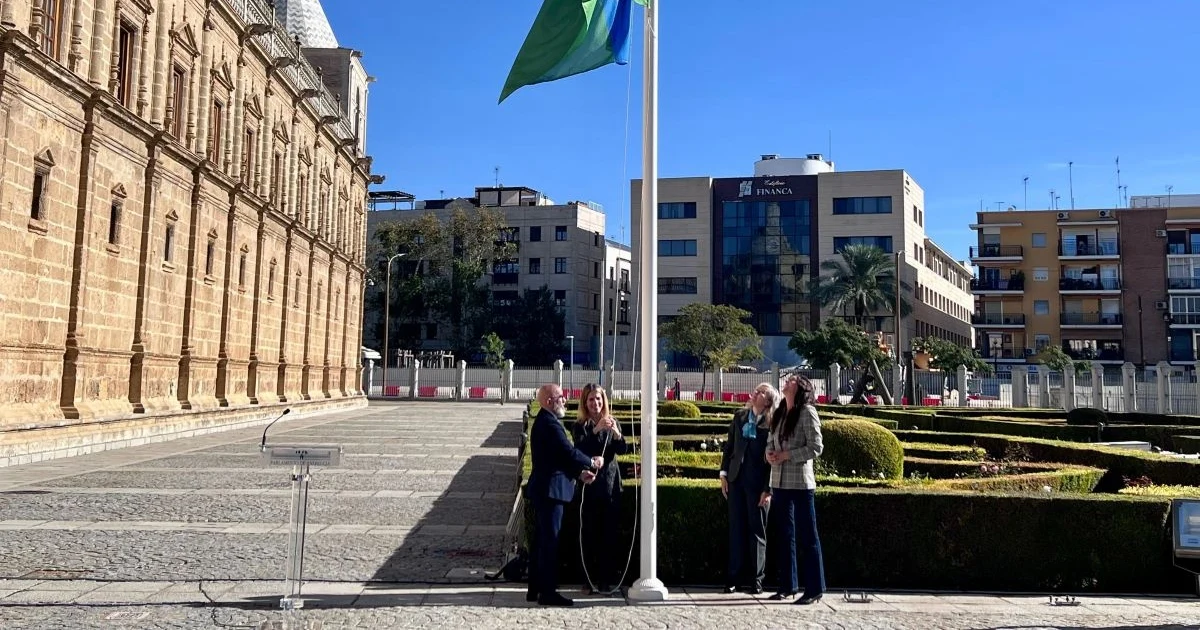
At the end of the event, Loles López participated in the commemorative act for the Day of Gypsies, which brought together authorities such as the president of the Andalusian Chamber, Ana Mestre, as well as representatives of the Gypsy associative movement. The event culminated with the reading of a manifesto by Francisco Torres Andrades, the raising of the Gypsy flag, and the performance of the Gypsy anthem 'Gelem, Gelem'.

You may also like