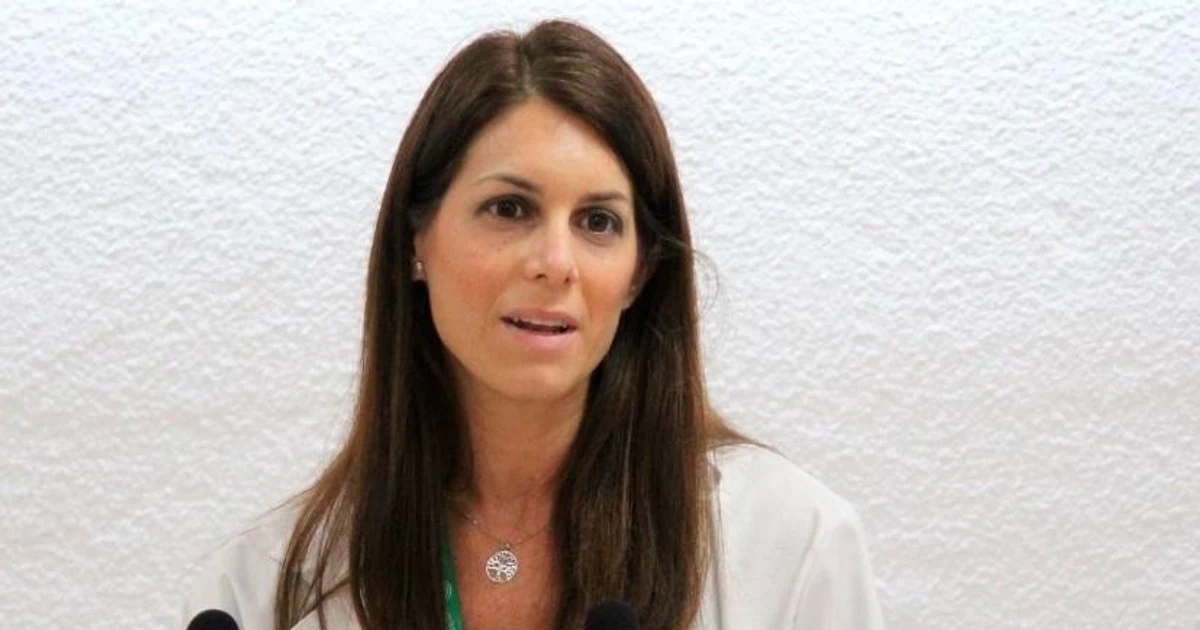
The Junta of Andalucía has announced a strengthening of collaboration with municipalities, public companies, and private developers to accelerate the construction of protected housing in the town of Málaga. The Minister of Housing, Youth and Spatial Planning, Rocío Díaz, made this announcement during a meeting in Antequera with the FADECO board.
Díaz highlighted that in the last legislative term, support programmes for developers were consolidated, reaching over 300 million euros in subsidies and around 7,000 new homes in various stages of development. This approach aims to mobilise public and private resources to meet the growing demand for affordable housing in Andalucía.
Key Components of the Housing Plan
The Junta believes that public resources should serve as a lever to facilitate access to housing. Díaz emphasised that, with the right support, it is possible to unlock developments and attract private financing to benefit more families.
Moreover, collaboration with developers is not limited to financial subsidies. The Housing and Rehabilitation Agency of Andalucía (AVRA) is implementing mechanisms that include the exchange of public land for protected homes, optimising the use of available land for residential purposes.
New Initiatives and Legislation
Another relevant aspect is the Annual Plan for the Disposal of Assets 2026, which will allow for the construction of an additional 3,678 homes on public land. The minister has also expressed the need to repeal the current State Housing Law, stating that this regulation complicates access to housing and could deter owners due to fears of illegal occupation.
The new Housing Law of Andalucía will include a commission dedicated to exploring new public-private collaboration formulas, ensuring that all actors, from the Junta to local entities and private operators, are involved in the creation of affordable housing.
Díaz concluded by emphasising the need to establish clear and ongoing rules that enable builders to collaborate effectively with the Administration. This strategy aligns with urban development plans up to 2030, which prioritise increasing the housing supply.

You may also like