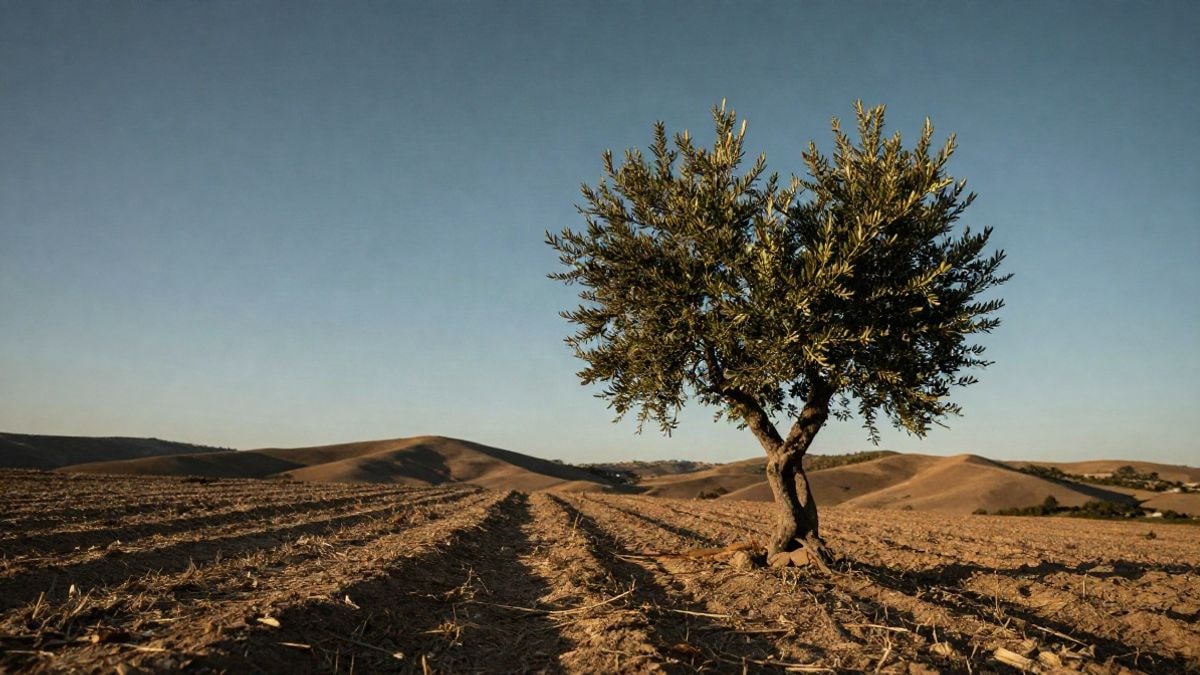
ASAJA Málaga estimates that the province will exceed 65 million kilos of table olives, although market quality demands will prevent part of the production from being sold. The agricultural organisation also estimates more than 70 million kilos for milling.
The upcoming table olive campaign in Málaga will exceed 65 million kilos, according to the forecast from ASAJA Málaga. The agricultural organisation warns that market quality demands will exclude part of that production from the market, as reported by Diario Sur.
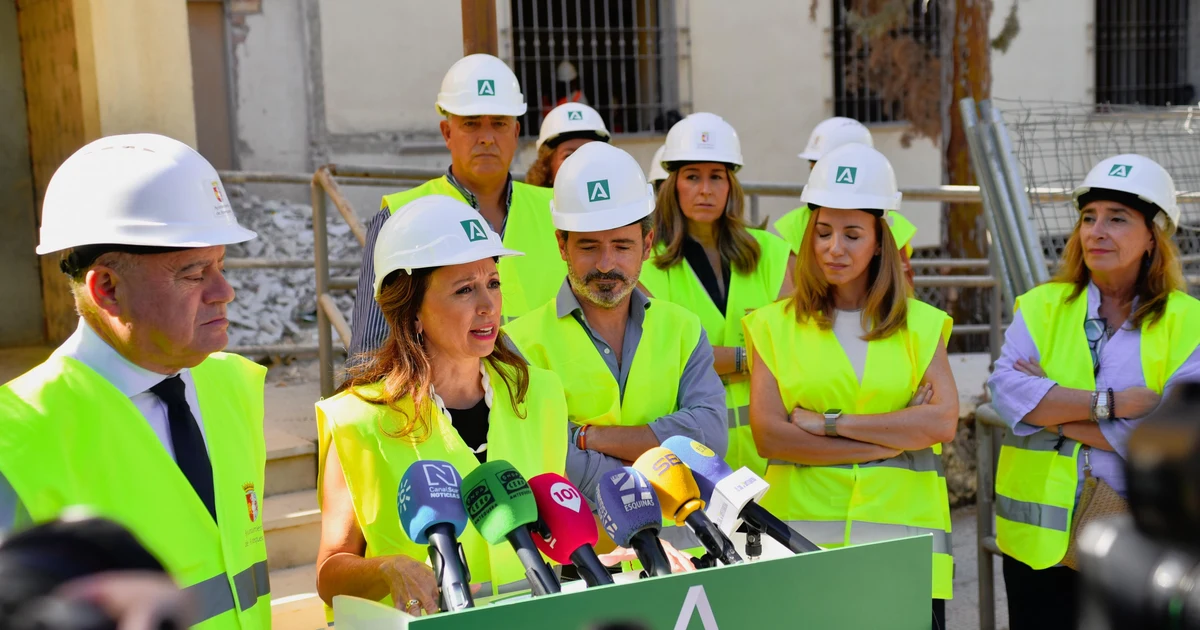
The president of ASAJA Málaga, Baldomero Bellido, summarised the situation during the XXII Technical Olive Day held in Antequera:
“There are olives in the field, but the market wants a more restrictive quality, so in the end there are fewer olives available”. The meeting gathered around 200 farmers, technicians and professionals from the sector.
The forecasts from the agricultural organisation also indicate a production of over 70 million kilos of olives intended for milling in the province of Málaga.
Across Spain, ASAJA estimates that the table olive harvest will reach 477,000 tonnes, below the 498,000 from the previous campaign. The Hojiblanca variety will account for a large part of the volume, with around 240,000 tonnes, followed by Manzanilla, with 128,000.
The outlook for olive oil is different. The organisation provisionally estimates national production for the 2026/2027 campaign to be around 1.6 million tonnes, compared to 1.301 million from the previous season. This figure may still vary depending on the evolution of the crop in the coming months.
The sector faces issues that affect the profitability of farms. Bellido highlighted the rising cost of diesel, difficulties in finding labour, and the need for aid for damages from storms and the increase in fertiliser prices to effectively reach farmers.
The day also addressed the future Common Agricultural Policy starting from 2028. ASAJA technicians analysed the proposed changes in the aid system, including the criteria for degressivity and the limits set for certain subsidies.
drought, high temperatures, salinity, and rising costs complete the list of challenges for olive groves. With a production that on paper maintains significant figures in Málaga, the challenge of this campaign will be how much of that fruit can meet market demands and become marketable olives.

You may also like