Loggerhead turtles Pepa and Hulia have returned to the Mediterranean from Marbella after completing their rehabilitation. They were rescued in Málaga and Almería with serious injuries.
The Málaga municipality of Marbella was the scene today for the release into the sea of two loggerhead turtles (Caretta caretta), named Pepa and Hulia, after specialists confirmed that both animals have successfully completed their rehabilitation processes. The two reptiles, from the provinces of Málaga and Almería, were rescued under circumstances that posed a serious risk to their lives and received specialised veterinary care until they regained optimal conditions to thrive in their natural habitat.
The mayor of Marbella, Ángeles Muñoz, expressed gratitude that the city was chosen to carry out this action and highlighted the coordination between the Ministry of Environment, specialised biodiversity organisations, SEPRONA, the veterinary teams from the Andalusian Marine Management Centre (CEGMA), and the Aquarium of Seville. “This is the result of joint work to return two animals to the sea that were found in situations of grave danger to their lives,” the mayor stated.
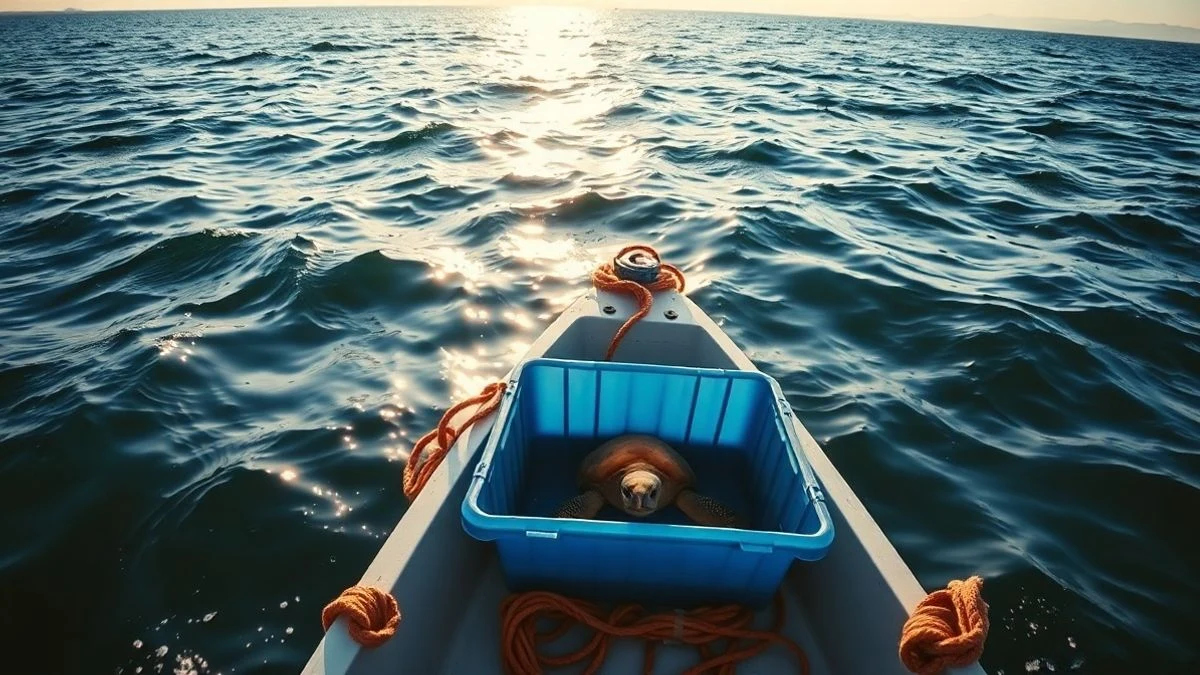
The release took place from a vessel that departed from the Puerto Deportivo Virgen del Carmen de Marbella, taking the turtles more than two miles from the coast, once all checks confirmed their ability to swim independently. This action concludes the recovery process for both animals, who return to the Mediterranean after several months of care.
Muñoz, accompanied by the councillor for the Environment, Diego López, and the director of the Marina, Carlos Romero, emphasised Marbella's connection to the conservation of loggerhead turtles and the protection of the marine ecosystem. In recent years, the municipality's coastline has recorded nesting episodes of this species on the beaches of Calahonda and Nueva Andalucía, with the involvement of associations like ProDunas and local residents and volunteers in monitoring the nests.
The mayor stressed that the conservation of the coastline “also requires the collaboration of the public” and warned of the consequences of waste ending up in the sea. “A bag, a net, or any plastic item that is discarded in the environment can end up in the water and pose a serious danger to marine species like turtles,” she indicated, appealing for prevention and individual responsibility.
Two Rescue Cases with Complicated Prognosis
Pepa was found on March 4, 2026, stranded on a beach in Rincón de la Victoria and initially collected by SEPRONA agents. She entered weighing 4.3 kilos and presented severe dehydration, buoyancy issues, and lung damage, requiring intensive veterinary treatment and assisted feeding via a tube. She was later transferred to CEGMA to assess her capacity before authorising her return to the natural environment.
Meanwhile, Hulia was discovered on June 30 on a beach near Retamar, in Almería, with severe entanglement caused by raffia bags and other marine debris affecting her neck and all four flippers, resulting in constriction injuries. At the time of her admission, she showed poor body condition and dehydration, weighing 6.3 kilos. The specimen received veterinary treatment, wound care, and a rehabilitation programme that allowed for favourable progress.
The Town Hall has reiterated its commitment to environmental protection and coastal conservation, backed by various recognitions for the quality and sustainability of its beaches. Additionally, it has emphasised the importance of environmental education from an early age through activities and talks aimed at young children “to help them understand the municipality's biodiversity and the need to preserve the environment.”

You may also like