The story of Inmaculada Valderrama, who died in 1983 at the age of 14 in a reform school in Madrid, is being presented in Málaga. She is buried in San Pedro Alcántara, where her family lived.
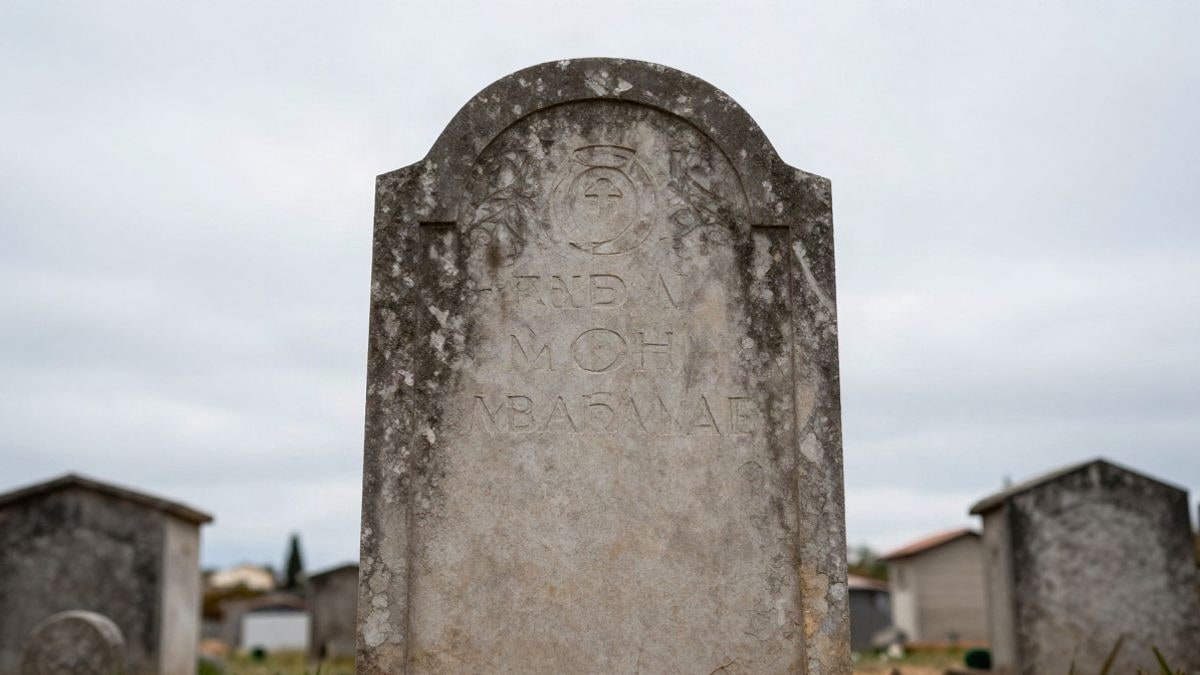
Inmaculada Valderrama Morato died on 19 September 1983 after falling from a window of a reform school in San Fernando de Henares (Madrid). She was 14 years old. She is buried in the cemetery of San Pedro Alcántara, in Marbella, where her family settled in 1973 after moving from La Barca de la Florida, a district of Jerez de la Frontera (Cádiz).
The book 'Inmaculada. The death that precipitated the end of the Patronato' (Libros del K.O.) reconstructs her life and the circumstances of her death, as reported by Diario Sur. It is authored by journalists Marta García Carbonell and María Palau Galdón, along with historian Esther López Barceló. The first two will present the work in Málaga on Friday 4 September at 19:00 at the Sociedad Económica de Amigos del País, accompanied by researcher Pilar Iglesias Aparicio.
The investigation has allowed the authors to contact Inmaculada's family more than forty years after her death. Manuel, the young girl's brother and a resident of Marbella, drove to San Pedro Alcántara to pick up their parents and travel to Madrid upon hearing the news. The mother, Ana, described the state of the body as follows:
“Inmaculada had 'a damaged face, bruised and scratched'”
Marta García summarises the reasons why the teenager ended up in a centre run by the Patronato de Protección a la Mujer, a Francoist institution created to control the “moral risk” attributed to women:
“We always say that Inmaculada committed three sins: the first, capital, was being a woman; also, coming from a very humble family in Andalucía with very old parents and twelve siblings; and being a lesbian”
According to the reconstruction in the book, Inmaculada was admitted to the centre twice in less than a year. The first time was in 1982, after running away from home with her sister Antonia to go to Madrid. The second time, she did not come out alive. Journalistic accounts from the time spoke of a fall from the third floor while attempting to escape and reported protests at the centre over the “dark circumstances” of her death. The autopsy was performed by Dr. Alfonso Cabeza, whom the authors contacted to reconstruct the events.
Judge María Victoria Rosell, mentioned in the book, notes that the girl's father was not informed of his rights:
“The judge's obligation was to explain to the father that he had the right to an investigation of the facts, but also, he was entitled to significant compensation as Inmaculada was a victim under state custody, especially in her case, as she was a minor under guardianship”
When later the possibility of reopening the investigation was raised, the family did not pursue it due to fear and lack of resources. García adds:
“Inmaculada's story is filled with silences: first, around her death, in addition to the silence that is established in her family, but also the institutional silence, because there is a lack of documentation about Inmaculada and her death. So we really do not know what happened”
The book presentation will take place on Friday 4 September at 19:00 at the Sociedad Económica de Amigos del País in Málaga, with free entry until capacity is reached.

You may also like