The Casares Town Hall reviews conflict points and defines evacuation routes, preparing pumps and satellite internet for emergencies.
The Casares Town Hall is progressing in the development of its Flood Plan, a tool to organise the municipal response to flooding. The technical team and the government team held a meeting this Thursday, 1st October, to review the work and specify the procedures for action.
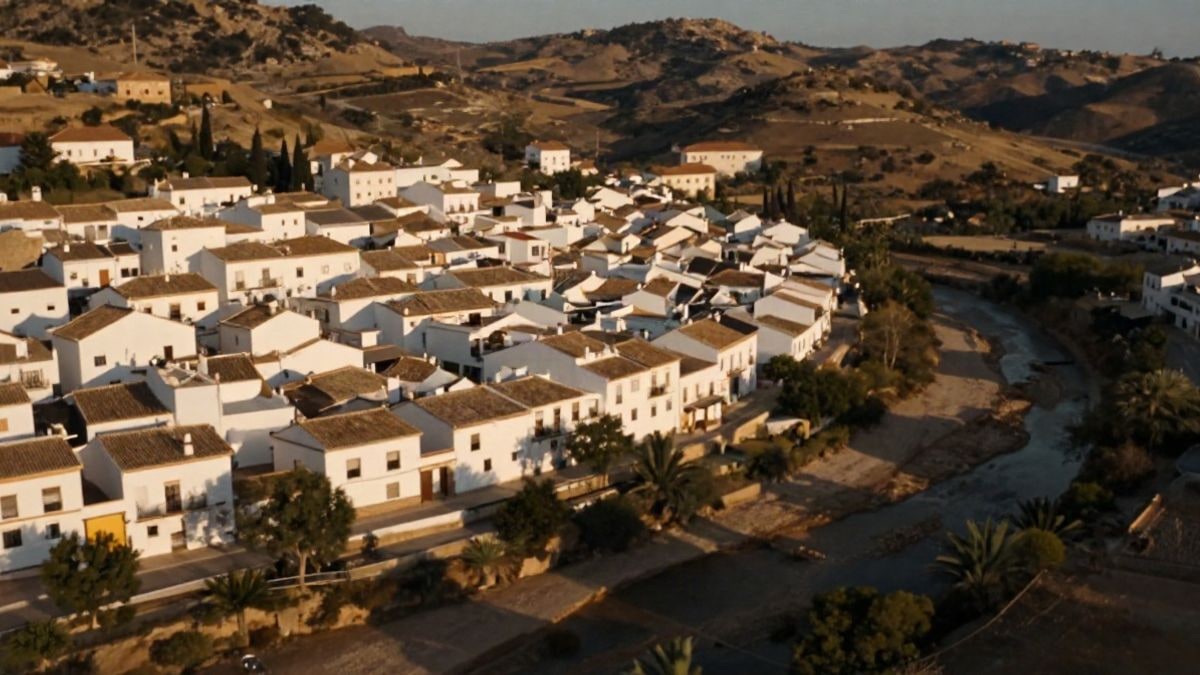
The planning includes the most conflictive points of Casares Pueblo, Casares Costa, Secadero and the scattered areas, with special attention to the zones affected by the storms of last winter. The mapping of flood-prone areas is being reviewed, including the updates made by the Junta de Andalucía in recent months, and it is being studied whether it is necessary to expand the areas included in the municipal plan.
Among the aspects analysed is the review of the paths and access routes to the scattered areas that may become isolated, to foresee alternatives and plan evacuation in case of possible cuts. The study also includes workplaces, such as the industrial estate, the waste plant, and the agricultural centres in Secadero, to determine how to act and organise the evacuation of people present in these facilities.
Additionally, spaces that could be set up to accommodate evacuees and provide medical attention in case of emergency are being analysed.
The Flood Plan is being developed alongside the Territorial Emergency Plan to define the responsibilities of each team and establish the protocols that must be followed in different scenarios. The aim is for the involved services to know how to act and coordinate, both in the event of flooding and when the evacuation of residents or workers becomes necessary. A meeting with security officials will be held soon to advance this coordination.
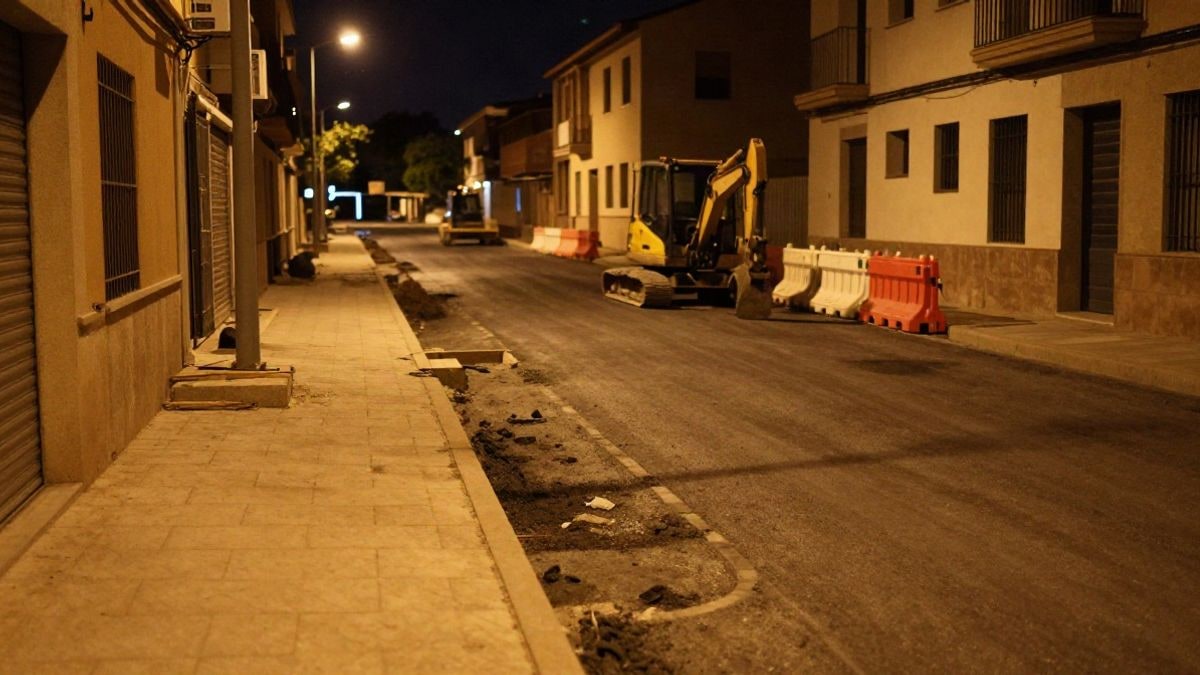
In parallel, the Town Hall is carrying out cleaning work with specialised machinery at various points in Casares Pueblo, Secadero, and Casares Costa, in addition to cleaning and clearing streams.
The preparation includes the acquisition of pumps, a satellite internet system, and other support materials for emergencies. These resources, pending receipt, will strengthen the municipal capacity for intervention and allow for maintaining communications in adverse situations.
Although this plan is not mandatory for the municipality, the Town Hall has decided to promote it on its own initiative. The experience of last winter highlighted the importance of being proactive and having a plan that allows for a coordinated response to protect the population.

You may also like