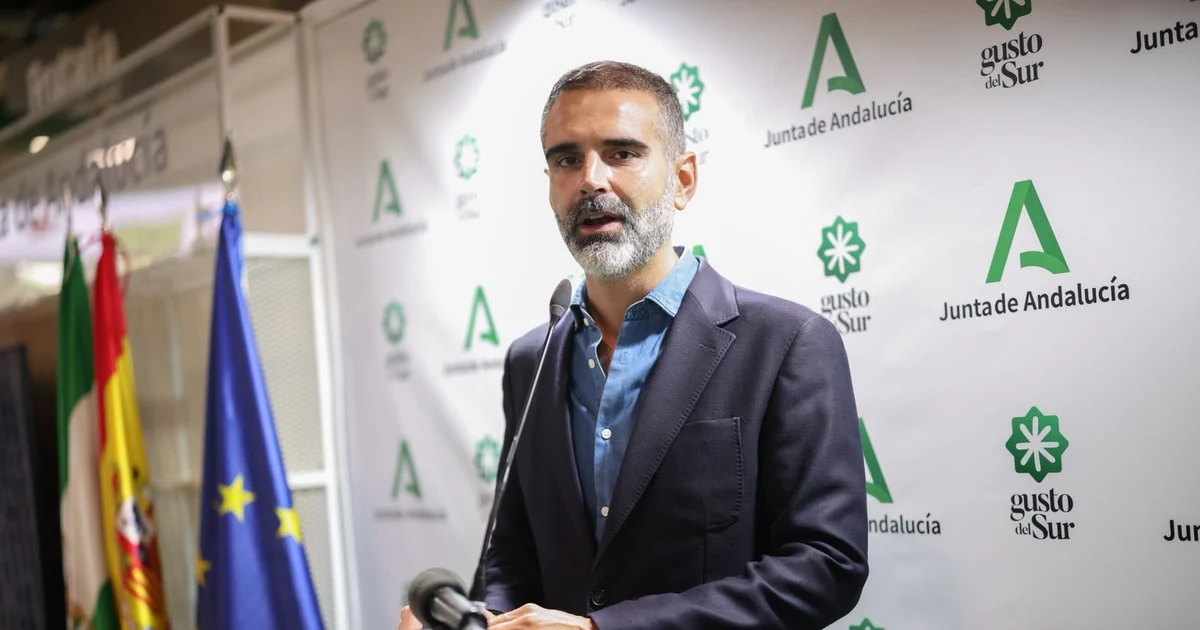
Marine biologist Jorge Baro, former director of the Málaga Oceanographic Centre, warns of the critical state of bivalve fishing grounds in the province, where the fine shellfish has practically disappeared and the corruco is also scarce.
The marine biologist Jorge Baro, former director of the Málaga Oceanographic Centre, has examined the delicate situation facing the natural banks of bivalves in the province. In an interview with SUR, the expert warns that species such as the fine shellfish and corruco (a type of shrimp consumed in preserves) have seen their populations alarmingly reduced in recent years.
According to Baro, the study area extends from the Strait of Gibraltar to just before Motril, with most of that area being Málaga territory. Over the past fifteen years, four species have supported the fishery: coquina, chirla, fine shellfish, and corruco. The situation, in general, is poor or even "fatal" depending on the species.
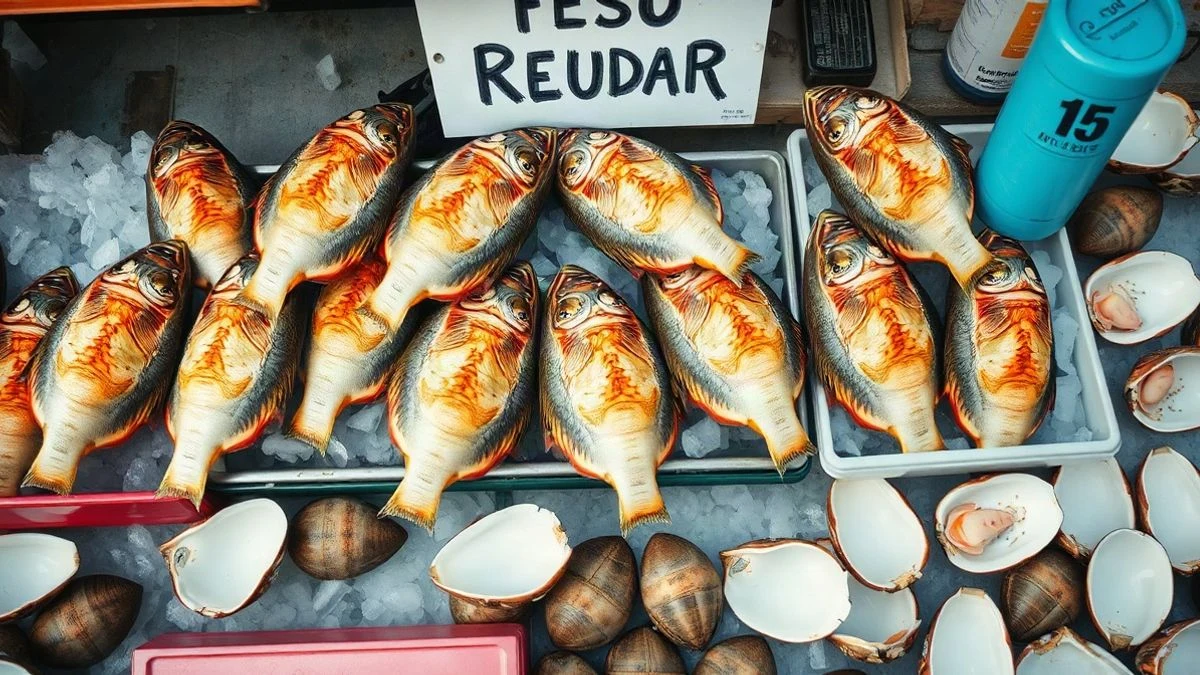
The coquina "is holding on a bit", although without much joy. The chirla shows a progressive decline, but not as severe as the fine shellfish, which "has practically disappeared in the province of Málaga", leaving only very small and scarce specimens. The corruco, which has not been commercially exploited for three or four years, has also vanished from the natural banks, and when the canning factory requested product, "it had to be said that there was none."
The researcher points out that catches of fine shellfish in Málaga's markets are now "testimonial". A couple of years ago, some still came from nearby fishing grounds like the coast of Cádiz in the Mediterranean, between Palmones, La Línea, and Estepona, but that no longer arrives. What is consumed in Málaga comes from abroad, mainly from France and some from Italy, in the Adriatic.
Baro emphasises that this phenomenon has already been observed in other areas of the Mediterranean, such as the Ebro Delta or the coasts of Valencia, where chirla and clams disappeared and never recovered. The cause, he points out, is a combination of factors: overexploitation, water temperature, unidentified diseases, human activity, or the presence of invasive species such as the Asian algae, which "reproduces at a brutal speed."
"Overexploitation has probably caused an alteration in the dynamics and structure of the populations, leaving them weaker against the intrusion of other factors. But we really do not know a certain factor of the direct causes."
The biologist explains that the extraction of the largest specimens reduces the reproductive potential of the populations, and if other stressors also act, the population collapses and does not recover. In fact, annual monitoring shows that even after closing fishing grounds for years, there is no improvement in density or biomass.
A significant case is that of the corruco, which "has not been exploited for three and a half years, and does not recover." To try to find answers, Baro's team collaborates with another research group to study parasites and diseases.
The situation directly affects local gastronomy and the economy, as these bivalves were a pillar of Málaga's fishing identity. Meanwhile, consumers will only be able to find imported fine shellfish in the province's markets.

You may also like