Andalusia, August 10, 2026. The Dolmens of Antequera and Sierra Nevada have become prime locations for observing the solar eclipse that will occur on August 12, a unique event for astronomy enthusiasts.
The eclipse will be visible from various locations in the autonomous community, including the possibility of enjoying it at the archaeological sites of Ategua in Córdoba and Cástulo in Jaén, which have also organised observation activities.
Schedule for August 12
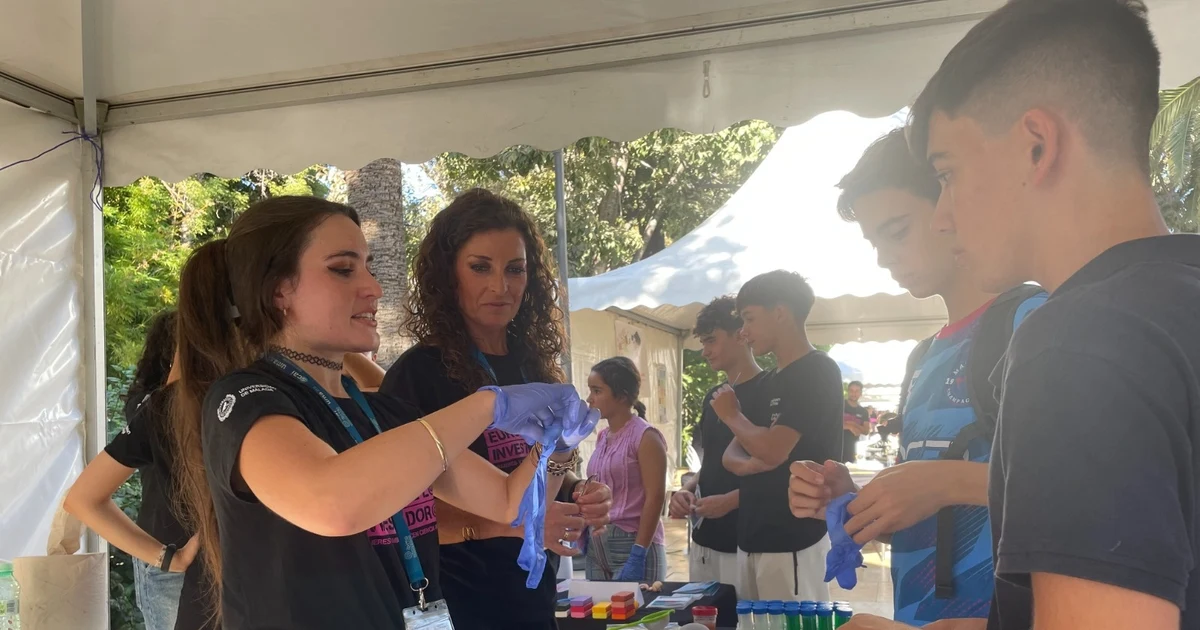
The Department of Culture, Historical Heritage and Sport has planned various activities at emblematic sites. At the Archaeological Ensemble of the Dolmens of Antequera, which celebrates its tenth anniversary as a World Heritage site, an observation activity will be held in collaboration with the Málaga Astronomical Society. Groups, with a maximum of fifty participants, can access the site by prior reservation.
This astronomical phenomenon will allow viewers to see the sun partially covered, with an average obscuration of approximately 95%. This will cause a noticeable decrease in brightness and a slight drop in temperature.
The eclipse will be observable in Andalusia between 19:40 hours and sunset, with the maximum obscuration expected between 20:30 and 20:40 hours, depending on the observer's location. Thus, elevated places away from light pollution will be ideal for observing this phenomenon.
Sierra Nevada and other locations to enjoy the eclipse
In Sierra Nevada, Cetursa will keep the cable car operational from 9:30 to 1:45 hours, facilitating access to the Borreguiles area. This altitude and its low light pollution make this destination a privileged spot for astronomical observation.
On the other hand, the Archaeological Enclave of Ategua has organised an event that is already fully booked, and the Archaeological Ensemble of Cástulo also has its proposal, called 'The goddess Selene interposes before the sun', which combines observation and historical dissemination.
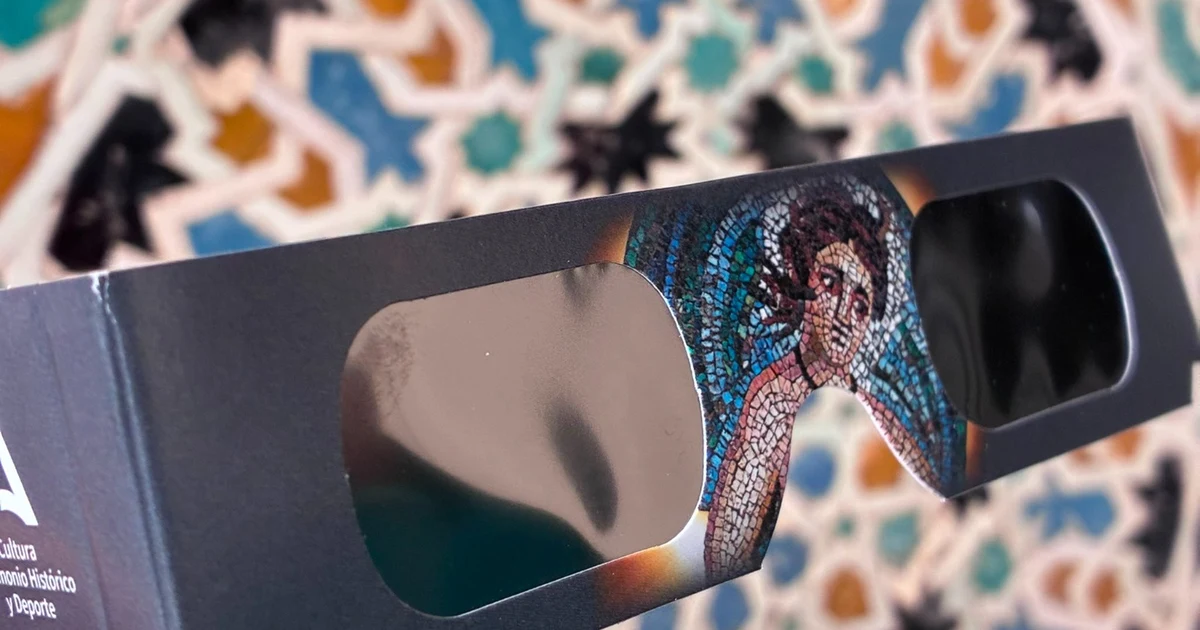
It is essential to remember that certified protective glasses are required to observe the eclipse. These must comply with ISO 12312-2 standards, ensuring they block ultraviolet rays and limit infrared radiation. Participants are advised to check their glasses before use and to rest their eyes every few minutes.
The use of non-certified glasses or looking directly at the sun without protection can be very harmful to eye health.

You may also like