The Ministry of Agriculture reactivates the drafting of the high supply project for the northern area of Málaga, which had been halted since its award in 2023. The work, spanning 142 kilometres and costing around 50 million, would transfer 4.89 hm³ annually from the Iznájar reservoir.
The Ministry of Agriculture of the Junta de Andalucía has resumed the drafting of the high supply project for the northern area of Málaga, which had been interrupted, according to Diario Sur. The design was awarded in 2023 to Geser Ingenieros Consultores and is now being reactivated with the aim of adapting to the concession established in the Hydrological Plan.
The project includes 142 kilometres of pipelines with a main artery and two branches. The primary pipeline runs from the water treatment plant (ETAP) of Iznájar to Antequera. From it, branches lead to Cuevas Bajas, Cuevas de San Marcos, and Villanueva de Algaidas. The right secondary branch reaches Archidona and from that point supplies water to Villanueva de Tapia, Villanueva del Trabuco, and Villanueva del Rosario. The left branch connects Fuente de Piedra, Humilladero, Mollina, and Alameda.
The technical volume assigned for the transfer is 4.89 hm³ per year, intended exclusively for domestic and urban consumption. This figure has been set below 5 hm³ to allow for direct authorization by the Council of Ministers. The region has been experiencing a continuous water deficit and problems of degradation in its underground water sources, which necessitate restrictions due to poor quality in Fuente de Piedra, Humilladero, Mollina, or Alameda.
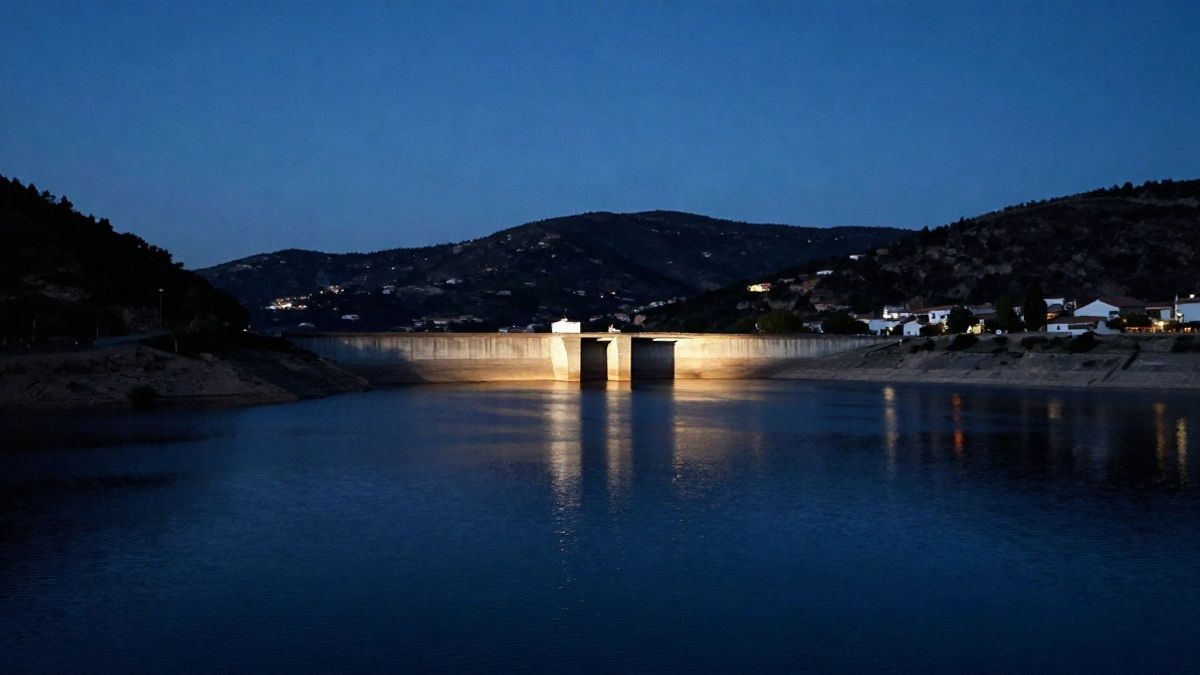
The Iznájar reservoir, located on the Genil River and belonging to the Guadalquivir Hydrographic Confederation, is the largest in Andalucía. It has a capacity of 950 hm³ and currently stores almost 680 hm³, at 74%. It supplies around 200,000 people and allows for the irrigation of 65,000 hectares. Its urban consumption is estimated at 15 hm³ per year and irrigation at around 100-150 hm³.
The final authorization depends on the central Government. The Government delegate in Andalucía, Pedro Fernández, has pointed out that the main obstacle is not technical but legal, as transferring water between different basins is strictly regulated and can only be done when all possible alternatives have been exhausted. The Executive is reviewing the documentation.
The president of the Málaga Provincial Council, Francisco Salado, has called for urgency:
“The transfer could have been completed and operational for years if the Government had attended to its responsibilities or the offers from the Junta to undertake this essential project to guarantee the supply of drinking water in the northern area of the province and the Antequera region.”
Salado has recalled investments by the provincial institution such as the water treatment plant in Fuente de Piedra or the canalisation works in Campillos:
“It makes no sense that one of the largest reservoirs in Andalucía is at 75% with almost 700 hm³ and nearby there are many towns with supply problems.”
The work would cost 50 million euros funded by the regional Government.

You may also like