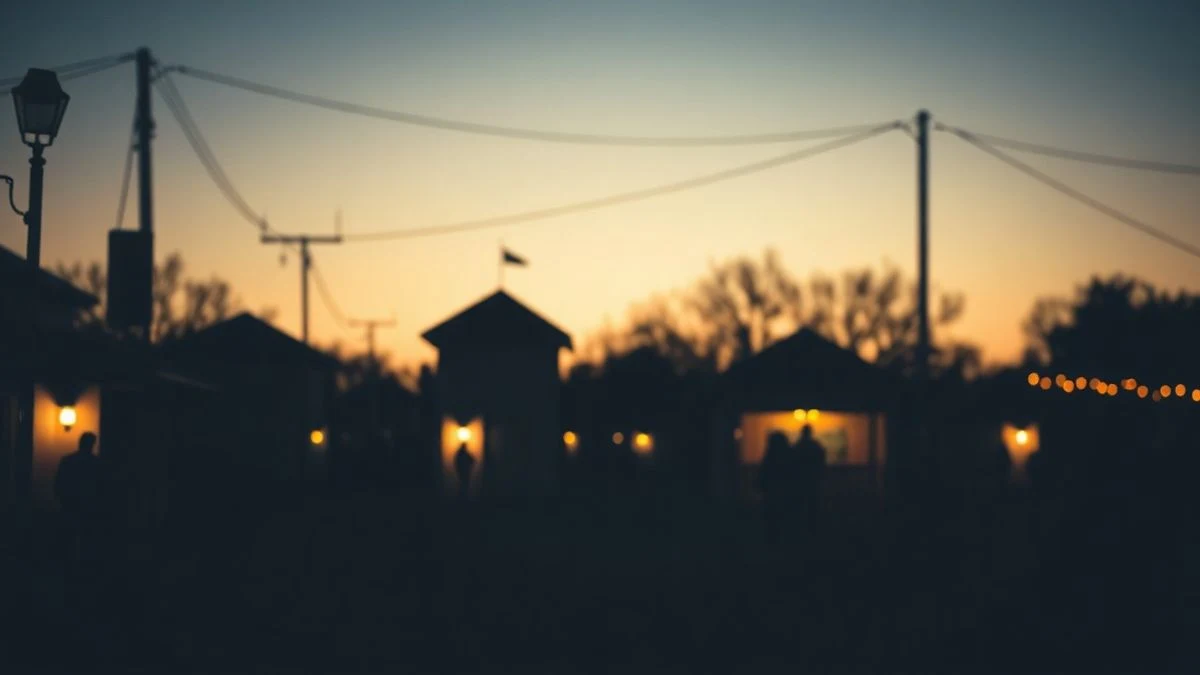
The Real del Cortijo de Torres once again brings together families who repeat customs learned from their elders. From the rides to the flamenco dresses, the Fair is passed down from generation to generation.
Ángel is 55 years old and cannot remember when he first set foot in the Real de la Feria de Málaga. His parents took him as a child, and since then he has hardly missed a year. Now it is the younger members of his family who ride the attractions and visit the booths, unknowingly repeating the same rituals as those who came before.
Among the dust, flamenco dresses, horses, and the booths of the Cortijo de Torres, the tradition is not only preserved, but also transmitted. For families like those of Carmen, Rocío, and María, who summarise the feelings of many, “it is the tradition from parents to children. And now us to our children.” An inheritance that every August is passed from one generation to the next to keep alive “the Fair of old,” which they identify with family, booths, and a shared way of enjoying it.
Each Generation Experiences the Tradition in Their Own Way
Dressing up to go to the Real at midday is another of the customs that is maintained. Marina, Esther, Miguel Ángel, and Alicia specifically mention “dressing at midday” when asked what tradition they have wanted to pass on to their children. “The thing is, it is evolving; the flamenco dresses are changing,” they explain. People still dress in flamenco attire, but in a way different from previous generations.
In other families, what is passed down relates to music and a very specific way of gathering during the Fair. Alberto and María José recall that this relationship existed in their home long before: “My father loved flamenco, and my father-in-law also had a flamenco club,” they say. The latter even had a flamenco booth at the Fair itself, where they remember the live music, the horse riders, and, above all, “a very family-oriented atmosphere”.
There are also memories that remain associated with a very specific image. Juan, who enjoys the day alongside Fran, Natalia, and his daughter, is clear about one of them: “I do remember coming with my mare”. Horses were part of that Fair and are still present in the current one. Among the customs they claim to have passed on to their daughters, they list many more everyday ones: “Dressing in flamenco attire, riding the attractions, coming to eat at the Fair, and having a good time.”
The Real Preserves “the Fair of Old” for Many Families
For Carmen, Rocío, and María, what is worth passing on also has a specific setting. “The one with the booths, the one with family, the one where we enjoy it, our horses and dresses,” they list when trying to define what that celebration of the Málaga people means to them and what they want to preserve.
Alberto and María José also find in the Cortijo de Torres a way of experiencing it that is different from what they currently find in the Centre. “This is more of a fair. The concept of a fair is this, not the Centre. The Centre is very nice, but it is another thing,” they point out. The Málaga Fair, which runs until next Sunday, remains for these families a meeting space where the past and present shake hands every August.

You may also like