The Junta of Andalucía has initiated the installation of 25 ecological moorings intended for the berthing of diving boats on the coastlines of Málaga and Granada. This initiative aims to facilitate the docking of boats without the need to resort to anchors that can cause damage to important marine ecosystems, such as reefs and seagrass meadows of Posidonia oceanica.
Details of the installation
The distribution of the moorings will include eight in the Natural Area of Maro-Cerro Gordo, with three in Nerja (Málaga) and five in Almuñécar (Granada). Additionally, there will be ten moorings in the Special Conservation Area of Cliffs and Marine Bottoms of Punta de la Mona, in Almuñécar, and seven in the Special Conservation Area of Cliffs and Marine Bottoms of Calahonda-Castell de Ferro, covering the municipalities of Gualchos and Motril in Granada.
To date, 17 moorings have been installed: eight in Maro-Cerro Gordo, five in Punta de la Mona, and four in Calahonda-Castell de Ferro.
Features of the moorings
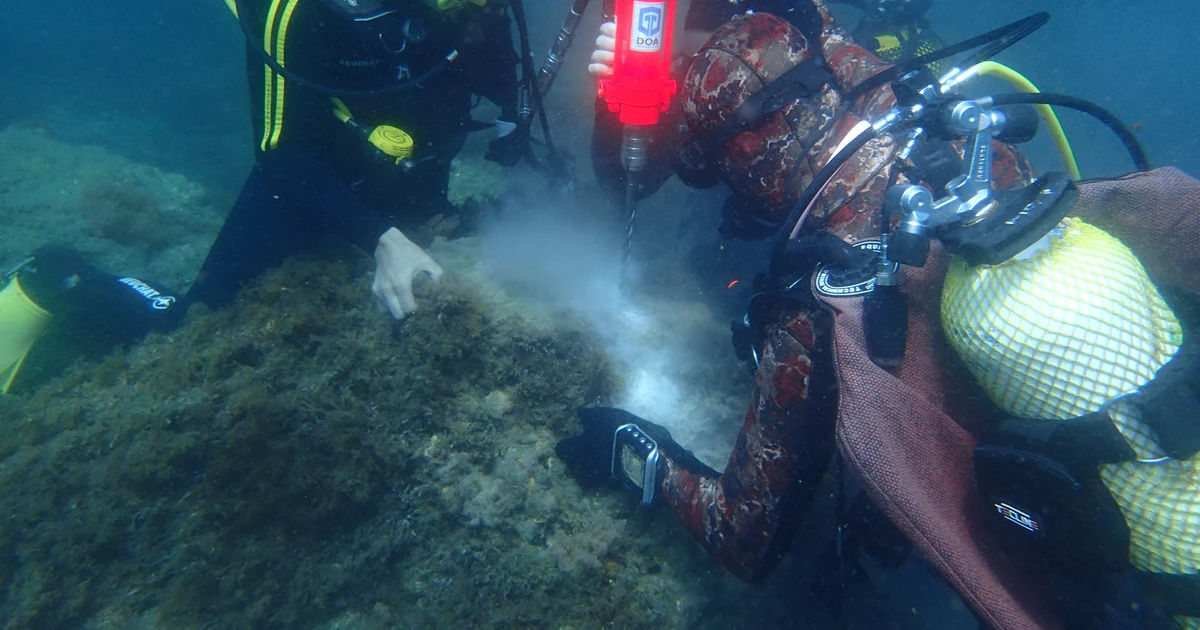
The mooring systems vary according to the conditions of the seabed. In sandy soils, they are secured with concrete blocks weighing 5,500 kilos, anchored with iron rods and equipped with stainless steel rings for berthing. In rocky soils, chemical anchors are used.
Each system includes a mooring line, consisting of a 32-millimetre rope, a 60-litre buoy indicating the area, and a submerged 10-litre buoy that ensures the verticality of the rope, preventing rises or dragging over the seabed.
This action is part of the Andalusian Government's strategy for the preservation of the natural seabed, highlighting attention to habitats of community interest and the sustainable use of protected areas.
The total budget for this installation amounts to 66,550 euros, funded by the LIFE IP Intemares project, which seeks integrated and effective management of the Natura 2000 Network in the Spanish marine environment, coordinated by the Biodiversity Foundation of the Ministry for Ecological Transition and the Demographic Challenge.
This project involves actions for the restoration of marine habitats, scientific monitoring, surveillance, and local engagement strategies, in addition to the creation of tools to manage the effects of climate change and human activities, ensuring the sustainability of fishing and ecotourism.

You may also like