The Regional Hospital of Málaga and IBIMA offer patients with advanced melanoma and lung cancer a therapy using tumour-infiltrating lymphocytes (TIL), currently in clinical trial since 2024.
The University Regional Hospital of Málaga and the Biomedical Research Institute of Málaga (IBIMA BIONAND Platform) have launched several clinical trials since 2024 with a personalised cell therapy for patients with metastatic melanoma and advanced non-small cell lung cancer. This is a cellular immunotherapy strategy that uses the patient's own lymphocytes to attack the tumour.
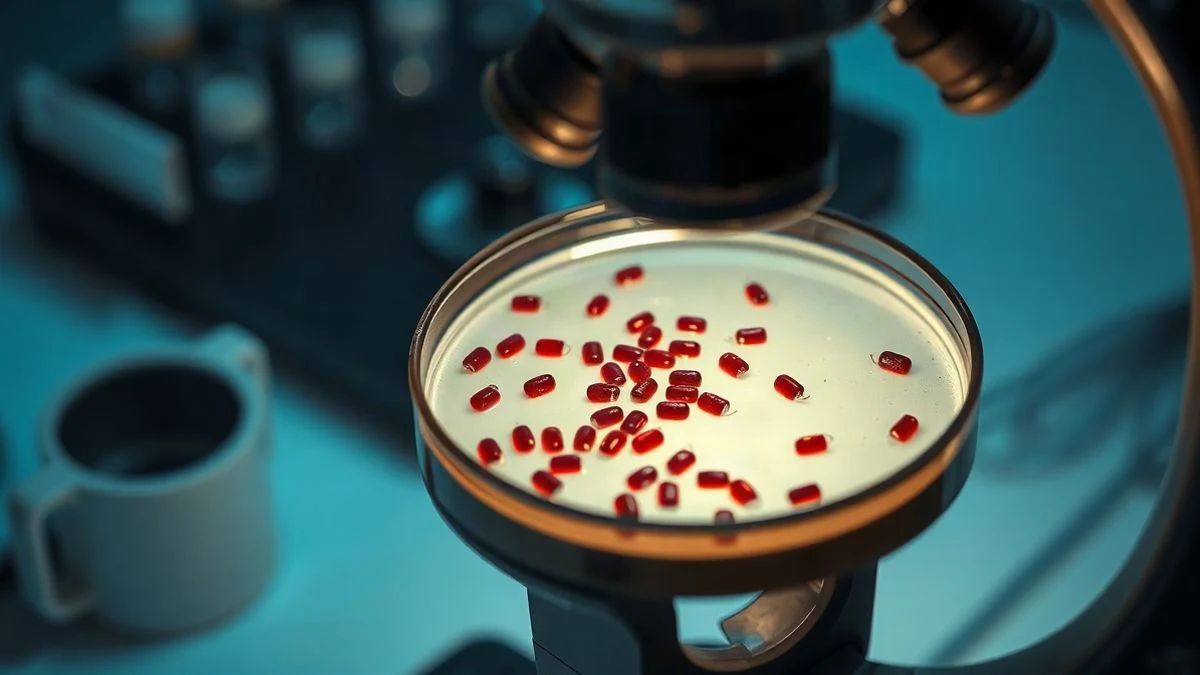
The treatment is based on tumour-infiltrating lymphocytes (TIL), immune system cells that are naturally programmed to combat a specific tumour. The trial coordinator and researcher from the Emerging Therapies against Tumour Adaptation group at IBIMA, oncologist Airam Padilla, explains that they are extracted through a biopsy and expanded in the laboratory to hyperactivate them against the tumour they already recognise.
“What we do in these situations is identify the lymphocytes that the body has already designed to attack a specific tumour, they are extracted through a biopsy and in a laboratory those lymphocytes that are already naturally programmed are expanded, causing them to multiply excessively and hyperactivate against the tumour they already knew.”
Once expanded, the lymphocytes are reinfused into the patient to autonomously attack the tumour. “It is using the body's own defences in an artificial way and through a laboratory so that they are the ones responsible for combating the tumour,” adds Dr. Padilla.
The specialist is cautious about the results, which are still under study. “The results may be promising, but it is true that they are still results we cannot share, all of this is within studies, they are results that are not yet mature,” he emphasises.
“The results may be promising, but it is true that they are still results we cannot share, all of this is within studies, they are results that are not yet mature.”
The treatment is administered only once, although the process is complex: several months may pass from the biopsy to the production of the product. “It is a treatment that is done once, which is cumbersome because it may involve several months between taking the biopsy, manufacturing the product, infusing the product, but it is true that it is done once and then everything is follow-up,” details the oncologist.
The key to this immunotherapy is that, with classical therapies, there is a percentage of patients who never require further treatment. “What we hope with these increasingly sophisticated immunotherapies is that this percentage is greater,” reflects Padilla.
The programme is led by the Medical Oncology Service and involves Hematology, Intensive Medicine, surgical teams that obtain the tumour samples, Anesthesiology and Resuscitation, Pathological Anatomy, and other specialists involved in the different phases of the process.
Patient inclusion is carried out individually and according to the criteria of each clinical trial: the type of tumour, the extent of the disease, previous treatments, the possibility of obtaining tumour tissue, and the general condition of the patient are evaluated.
Patients in Málaga with these advanced conditions can benefit from this experimental therapy, which expands options when conventional treatments are limited. Those interested should consult with their oncologist to learn about the inclusion criteria and the availability of the trials.
You may also like