The tissue engineering team at UGR is developing the first sensory artificial nerve, which will be produced in the GMP room of Málaga's Regional Hospital. The clinical trial could start next year.
The Regional University Hospital of Málaga will manufacture an artificial nerve to attempt to restore sensitivity to patients with damage to a peripheral nerve. This has been confirmed to Diario Sur by the professor of Histology at the University of Granada and head of the Tissue Engineering Group, Miguel Alaminos, whose team has developed the tissue.
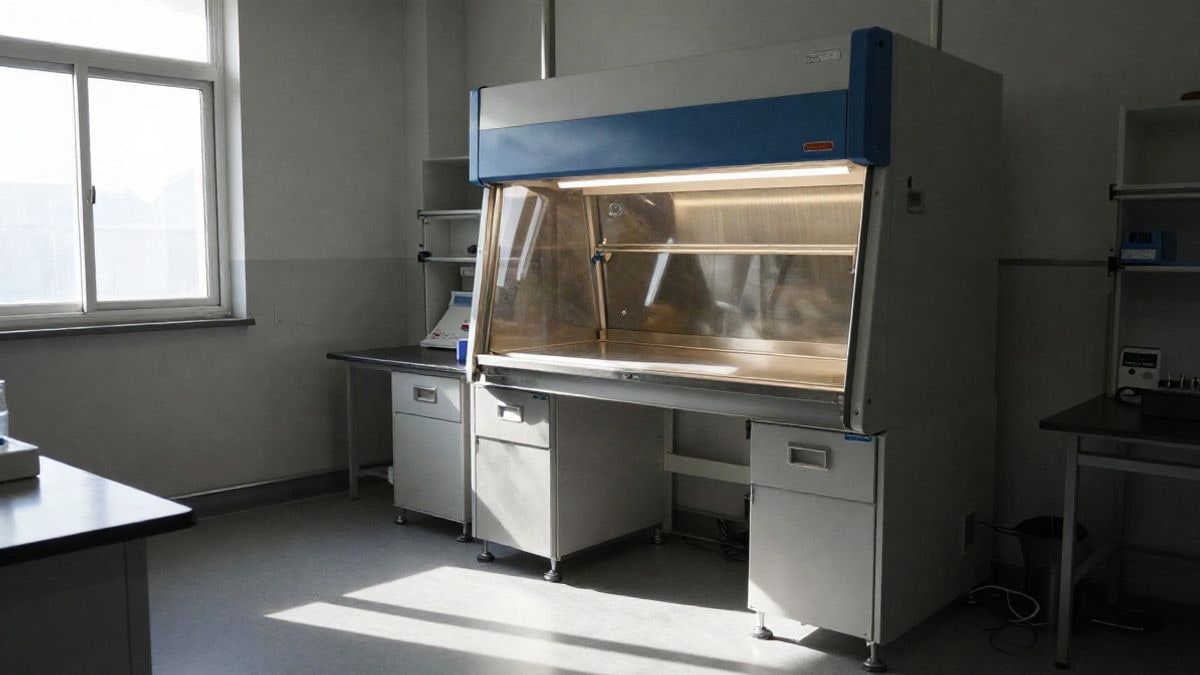
Production will take place in the GMP room of the Málaga healthcare centre, a space with strict manufacturing regulations. The project is coordinated by the Andalusian Network for the Design and Translation of Advanced Therapies (RADyTTA), which is under the Ministry of the Presidency, Health and Emergencies, promoting the transition of these therapies from the laboratory to the clinic.
“The next artificial tissue we are going to implant in the clinic, and we are going to manufacture it here in Málaga, will probably be an artificial nerve. Hopefully, we will start the clinical trial next year,” Alaminos specified.
The artificial nerve has already been manufactured in the clean room of the Regional Hospital with the collaboration of Antonio Rodríguez Acosta, technical director of the hospital's Cellular Production Unit. The next step is to contact the Spanish Medicines Agency to initiate the clinical trial, which will be conducted with traumatologists from the Málaga centre itself.
The primary objective is patients with sensory peripheral nerve injuries. “We are going to start with something simple, a sensory peripheral nerve to see if this artificial nerve can restore sensitivity in this type of patient. I believe that if this artificial nerve works, which has worked very well in animals, it could be a revolution in treatment,” the researcher noted.
The project also involves David González Quevedo, a specialist in Orthopaedic Surgery and Traumatology at the Regional Hospital. The product was conceived in Granada, but its manufacturing is being moved to Málaga because the GMP room in Granada, which already produces skin, cornea, and palatine mucosa, does not have sufficient capacity. “It could be important for Málaga. We invented the product in Granada, but we are going to manufacture it here,” Alaminos stated.
The research group has already developed the artificial skin UGRSKIN, created in 2012 from human cells and natural biomaterials, primarily used for severe burn victims. So far, it has treated 15 people with an 80% survival rate and has received authorization from the Spanish Agency for Medicines and Health Products as an advanced therapy medicinal product.
Other projects by the team include Nanoulcor, which develops artificial corneas for severe injuries, and BIOCLEFT, which generates palatine mucosa from the patient's own cells to repair cleft palates, the most common congenital malformation in Europe. In the latter, seven patients have been implanted, although we will have to wait for them to grow to confirm the actual efficacy of the treatment.
The research is experimental and will still take years to reach clinical practice. The next step will be the authorization of the clinical trial by the Medicines Agency, expected for next year.

You may also like